
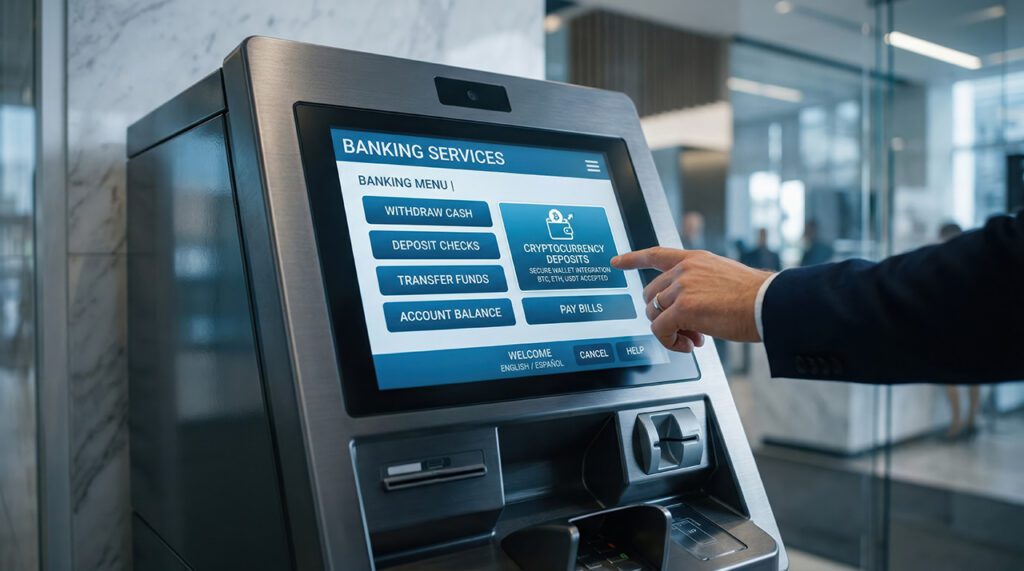
The evolution of the ATM is transforming how consumers interact with their financial institutions, bringing more banking services into self-service channels. Modern ATMs are no longer limited to dispensing standard cash amounts; they now offer features such as custom cash withdrawals, prepaid card loading, bill payments, and advanced deposit capabilities. As banks continue investing in ATM technology, self-service banking is becoming more convenient and flexible, enabling customers to complete routine transactions without visiting a teller. These innovations are helping financial institutions improve efficiency while enhancing the overall customer experience.
From CNN Money:
Hundreds of new ATMs capable of dispensing as little as $1 are popping up across the country. Chase and PNC have both been launching ATMs that churn out exact change to the dollar, allowing customers to withdraw denominations as low as $1 and $5.
Chase has rolled out between 350 and 400 such ATMs over the past 18 months, and the count is expected to double by the end of the year. Customers can type in the withdrawal amount, opt for “custom denominations” and select how many bills they want in denominations ranging from $1 to $100.
The new machines, located within branches or drive-thrus, even have the capability of dispensing coins, a service that will be piloted soon and eventually rolled out nationwide.
The move is part of Chase’s push to create what are essentially virtual tellers that don’t require additional staffing and increase efficiency for customers, said Bill Sheley, head of branch innovation. He calls the machines “next generation ATMs or new teller platforms.” Other services the ATMs provide include paying credit card bills and loading Chase prepaid cards with cash.
Looking Back: The Evolution of ATM Technology
The introduction of ATMs capable of dispensing small denominations represented an early step in a broader transformation of self-service banking. Since 2013, financial institutions have expanded ATM technology to include cardless withdrawals, contactless transactions, remote deposits, video teller services, and enhanced account management capabilities. Many routine banking activities that once required a branch visit can now be completed through self-service channels.
The Continued Role of ATMs in Banking
While digital banking and mobile apps have changed how consumers manage their finances, ATM technology remains a critical component of the banking ecosystem. Consumers still rely on cash access, deposits, and account servicing functions, particularly in communities where branch locations have been reduced. Modern self-service banking strategies increasingly combine mobile banking, digital channels, and advanced ATM capabilities to improve convenience while reducing operating costs.
More than a decade after Chase and PNC introduced ATMs capable of dispensing custom denominations, the banking industry continues to invest heavily in ATM technology and self-service banking innovations. Features that once seemed novel have become standard expectations as consumers seek greater convenience and flexibility. As financial institutions modernize their branch networks, ATM technology will continue to play a central role in delivering an enhanced customer experience while supporting the ongoing evolution of branch banking.
Click here to read more from CNN Money.
Editor’s Note (June 2026): This article has been updated to reflect current developments in ATM technology and self-service banking.