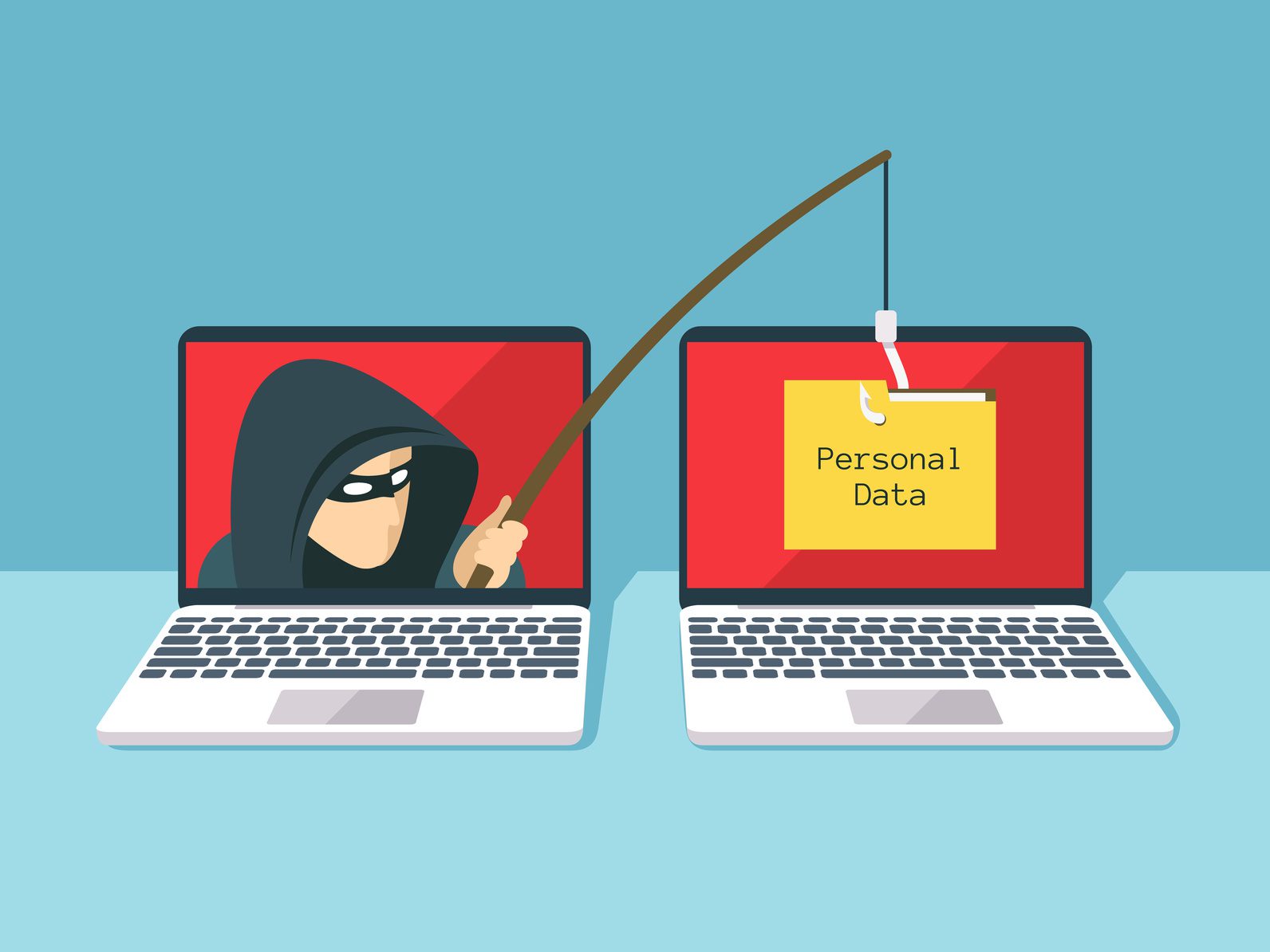
Financial institutions are in a tight spot, trying to simultaneously deliver faster payments and create a superior customer experience, while maintaining ever-changing security standards. Despite a multitude of protective measures, criminals have proven effective at exploiting any and all weak spots in the system. This battle is most certainly impacting how customers interact with their banks, but to what extent?
Featurespace surveyed 1,000 U.S. consumers, uncovering insights about consumers’ sentiments and revealing areas where banks can be more effective at mitigating fraud and increasing awareness among customers to establish stronger, more profitable relationships. In the survey, we found that, of bank customers:
- 77 percent check their bank accounts weekly for suspicious activity
…and 35 percent do so daily. Because of how frequently they occur, data breaches are hardly considered news anymore, but the recurring headlines of attacks on many fronts – Facebook, My Fitness Pal, Quora, Marriott – have established a sense of wariness.
- 62 percent of respondents believe they’re at a higher risk of fraud today than they were two years ago.
That none of the examples in the above paragraph include financial institutions reflects how widespread the issue is; criminals can use details to infiltrate many accounts, making proactive education about safeguarding personal information a key component of fraud prevention. Banks can also do more to make customers feel protected.
- 38 percent detected fraudulent activity before their banks notified them
…and in some cases, respondents said their banks never alerted them. Realistically, no bank will ever be capable of identifying every single attack; however, leveraging dynamic, real-time analysis powered by machine learning allows a bank to be more accurate at discerning between fraudulent and genuine activity. That accuracy and timeliness maximizes the number of good transactions that are processed, while also enabling the bank to recognize suspicious activity as it occurs and communicate with the customer much more quickly.
Propelling this urgency is the desire for convenience and mobility, but satisfying this desire without the proper safeguards makes it easier for criminals to steal customers’ information. Authentication is important, especially because these transactions are typically card-not-present (CNP). The Payments Forum predicted the financial impact of CNP fraud would jump from $3.1 billion in 2015 to $6.4 billion last year, and without the presence of a physical card, platforms encounter greater challenges to validate customers’ true identities.
- 20 percent use the same password across all online accounts.
While banks must make a concerted effort to protect customer information, many customers are exposing themselves to unnecessary risk. One-fifth of respondents admitted to using the same password across all accounts, an alarming fact considering 38 percent of consumers responded to experiencing at least one instance of fraud on an existing bank account. With tech-savvy criminals bypassing many of today’s existing fraud detection systems, it’s easy to see how critical it is to remind customers that account security is a joint effort.
- 36 percent have cancelled a debit/credit card or closed their accounts entirely
…due to security concerns. Banks must strike a balance, however, because if they’re too aggressive in trying to stop fraud, their efforts can backfire (51 percent of consumers say they have had a transaction declined because their banks mistakenly suspected fraudulent activity). That’s a lot of good business being jeopardized by bad circumstances, and the embarrassment from a transaction being declined can often be just as detrimental to a customer relationship as instances of actual fraud.
The growing scale and frequency of fraud attacks has increased public awareness of threats, setting a new standard of consumer expectations to be protected from fraud and notified in the event of a breach. The survey found 75 percent of respondents expect their banks to inform them of suspicious activity within an hour or less, and 59 percent believe they should be notified immediately. Meeting these expectations is no small feat; it’s more than just security theatre, and it has significant implications on customer satisfaction.
Overall, the results of this survey reveal the importance of understanding customers’ perceptions when it comes to fraud. Of course, fraud detection and prevention technology must be in place as the primary line of defense, but even the best solutions won’t stop every attack.
Suspicious activity is unavoidable, and when it occurs, a bank needs to know the best time and channel through which to notify the customer. How quickly and accurately a bank detects fraud, combined with the timeliness of customer communication – either as an alert or to request verification of activity – establishes trust and a sense of security that optimizes loyalty and ongoing revenue opportunities.
The full results from Featurespace’s Consumer Fraud Sentiment Survey are available for free download.
Dave Excell, founder and CTO of Featurespace, is a technology innovator with nearly two decades of experience in engineering, machine learning and artificial intelligence. He has received several accolades in his field, including the ITC Enterprise Award for Young Entrepreneur.