
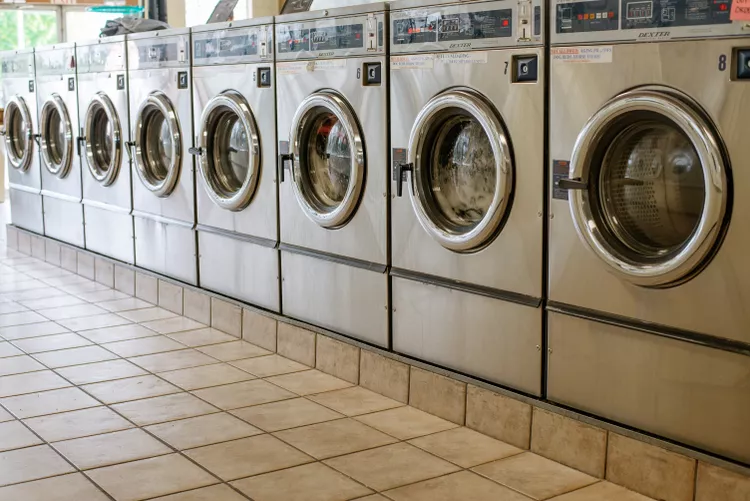
The great American coin-op laundromat may be nearing the end of its lifespan. A new poll finds that more than half of self-serve laundries in the U.S. now generate the majority of their revenue from cashless payments.
The survey underscores the shift: slightly more than half of respondents say that much of their self-service machine revenue comes from payment types other than coins or cash bills. Among stores that offer digital or card-based payment, 52.3% report that cashless transactions have increased significantly over the past three years.
Many laundromats have already moved well beyond cash. Only two-thirds of respondents said they still accept coins, and just 37% reported that coins generate the majority of their revenue. Meanwhile, nearly half accept payment from a mobile app, and another 37% accept credit or debit cards.
A Range of Benefits
Customer convenience is driving much of the transition, with 70% of operators citing it as a key reason for adding or considering cashless payment options. But owners are seeing other benefits as well.
Digital payments provide data that can help operators better understand customer habits and refine their business strategies. Cashless systems also make it easier to implement loyalty programs and enable more flexible pricing beyond the traditional 25-cent increments.Some laundromats are experimenting with time-of-day discounts and other creative promotions. They can also streamline the day-to-day operations.
“Coins are labor intensive,” said Don Apgar, Director of Merchant Payments at Javelin Strategy & Research. “On a daily basis, machine coin boxes need to be emptied and the coins counted and returned to the bill changer machines.”
Worth the Cost
There are some drawbacks. Customer friction may deter some users from downloading and using a payment app.
“Adding card payments is an investment for laundry operators,” Apgar said. “They need to spend money on the card devices that either integrate every machine or use a central device that issues prepaid cards from credit and debit purchases. Either way there is hardware, software and set up fees involved, in most cases thousands of dollars.”
On top of that, payment processors charge a fee for every transaction, typically ranging from 1.5% to 3.5%.
Even so, most operators report a positive return on investment from increased sales and reduced operational costs. Some laundromats have seen revenue jump between 17% to 22% after introducing card payments—gains that suggest the era of the traditional coin-op laundry may be coming to an end.
“Customers like it;” said Apgar. “Most laundromat customers are regulars, there because they don’t have a washer/dryer setup at home. Loading a prepaid card helps them budget for laundry costs and is safer to give to dependents vs. cash.”