
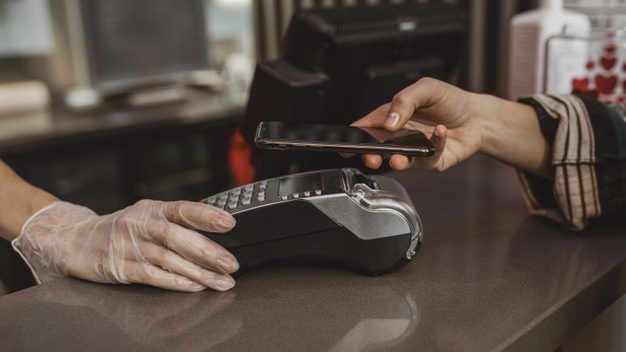
E-money smart card payments in Japan reached an all-time high in December, marking a significant milestone in the country’s ongoing transition toward cashless transactions. This surge reflects the widespread adoption of digital payment technologies, particularly smart cards, which have become an integral part of everyday life for Japanese consumers. E-money cards, commonly used for public transportation, shopping, and other services, allow for fast, secure, and contactless payments.
Japan, traditionally a cash-heavy society, has seen a notable shift towards electronic payments in recent years. This trend is being driven by both consumer preferences for more convenient and hygienic payment methods and government initiatives aimed at promoting a cashless economy. The December record is indicative of the momentum behind this shift and highlights the growing role that digital payments will play in Japan’s future financial landscape.
Why E-Money Smart Cards Are Becoming Popular in Japan
Several factors have contributed to the growing popularity of e-money smart cards in Japan, making them a preferred method of payment for millions of users:
- Convenience and Speed: E-money smart cards offer a seamless and hassle-free way to make payments. Whether it’s paying for a train ride or a coffee, consumers can simply tap their cards or devices at payment terminals, eliminating the need for cash or credit cards. Transactions are processed almost instantly, which is particularly useful in high-traffic areas such as convenience stores and transportation hubs.
- Wide Acceptance: The acceptance of e-money smart cards has grown significantly across Japan. Many businesses, from major retailers to small local shops, now accept these cards. They are also widely used in public transportation systems, vending machines, restaurants, and entertainment venues. This level of integration has made smart cards a versatile tool for everyday purchases.
- Enhanced Security: E-money payments offer added security over cash transactions. With encryption and other security measures, consumers are better protected from theft and fraud. Additionally, since no physical exchange of money is required, smart cards reduce the risk of losing money or having it stolen.
- Government Support for Cashless Initiatives: Japan’s government has been a strong advocate for moving towards a cashless society, setting ambitious targets for cashless transactions to account for 40% of all payments by 2025. This is part of a broader push to modernize the economy, improve efficiency, and reduce the costs associated with handling physical currency. Government campaigns and tax incentives have encouraged businesses and consumers alike to adopt cashless payment methods.
The Role of E-Money in Japan’s Shift Towards a Cashless Society
The record-breaking use of e-money smart cards in December is part of a larger trend of increasing cashless payments in Japan. In recent years, there has been a concerted effort by the public and private sectors to promote digital payments. Retailers, transportation providers, and service industries have been quick to adopt smart card technology, creating an ecosystem where cash is less necessary for daily transactions.
The shift toward cashless payments has accelerated due to the convenience and flexibility offered by digital payment solutions. Smart cards, in particular, are playing a vital role in this transformation. They are favored not only for their ease of use but also for their integration with loyalty programs, promotional offers, and discounts. As more consumers and businesses embrace these technologies, Japan is quickly evolving into a more digital-forward economy.
Moreover, the COVID-19 pandemic further boosted the adoption of contactless payments, including smart cards, as consumers sought safer, touch-free payment methods. This shift has proven to be a lasting change, with more people relying on digital payments even as in-person shopping has resumed.
How E-Money Smart Cards Compare to Other Payment Methods
E-money smart cards are not the only digital payment method gaining traction in Japan, but they hold a unique position compared to credit cards, debit cards, and mobile payment apps like PayPay or Line Pay:
- Credit and Debit Cards: While credit and debit cards are widely accepted in Japan, they have traditionally been less popular than cash. However, e-money cards are now competing closely with these traditional cards, especially for smaller, everyday purchases. Credit and debit cards still dominate larger transactions and online purchases, but e-money is carving out a substantial share of in-person transactions.
- Mobile Payments: Mobile payments have grown rapidly in Japan, particularly among younger generations. Apps like PayPay, Line Pay, and Rakuten Pay allow users to pay directly from their smartphones by linking bank accounts or credit cards. However, e-money smart cards remain popular due to their simplicity and lack of reliance on smartphone battery life or internet connectivity.
What the Future Holds for E-Money Smart Cards
The record-breaking e-money usage in December suggests that smart cards will continue to play a prominent role in Japan’s evolving payment ecosystem. As the government pushes forward with its cashless initiatives, the infrastructure for e-money payments is likely to expand further, encompassing more businesses and sectors.
We may also see advancements in smart card technology, such as greater integration with mobile apps and increased compatibility with international payment systems. This would make it easier for foreign tourists to use e-money cards when visiting Japan, boosting both tourism and local business revenues.
As digital payments become even more widespread, Japan is likely to see a reduction in the use of cash for everyday transactions. This shift will create new opportunities for businesses to innovate and improve the customer experience while reducing the costs and risks associated with handling physical money.
Japan’s record-breaking e-money smart card payments in December signal the growing dominance of digital payment methods in the country’s financial landscape. As convenience, security, and government support drive the shift toward cashless transactions, e-money smart cards are set to play a key role in transforming how consumers and businesses handle payments. The trend toward cashless payments is expected to continue, reshaping Japan’s economy and paving the way for a more digitally connected future.