
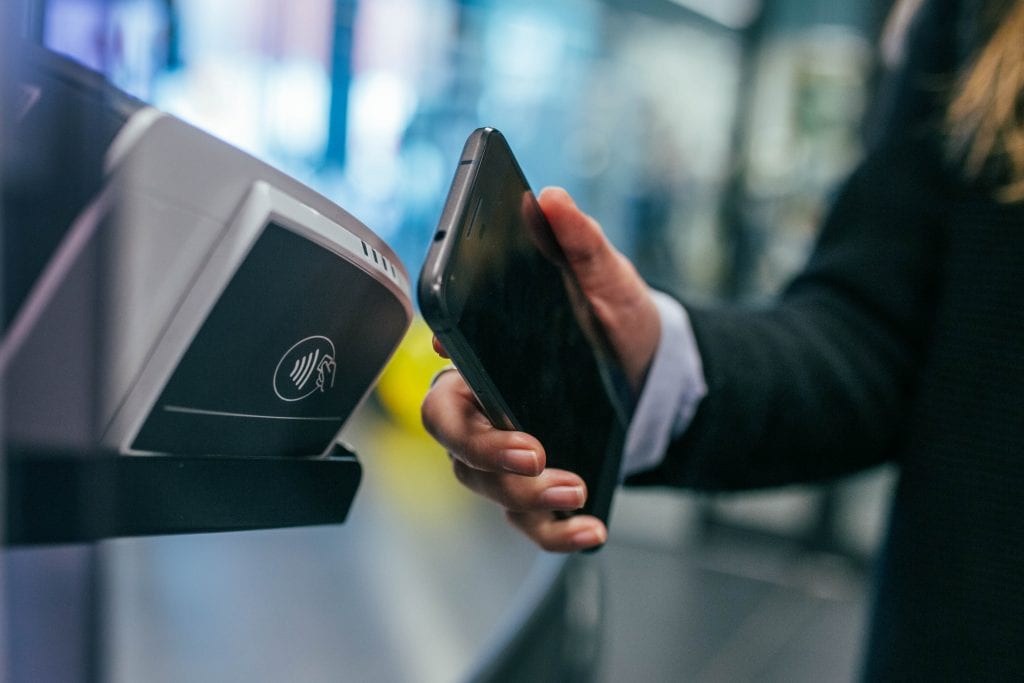
The global shift towards cashless payments is reshaping economies, and some countries are feeling the impact more than others. As mobile payments, digital wallets, and contactless cards become more widespread, the move away from physical cash is influencing everything from consumer behavior to government policies. In particular, four countries stand out as being significantly impacted by the rise of cashless payments: Sweden, China, South Korea, and the United Kingdom.
These nations are at the forefront of the cashless revolution, each with its own unique approach to transitioning from cash to digital payments. The effects of this shift can be seen in how businesses operate, how consumers manage their finances, and how governments regulate the digital payments landscape.
1. Sweden: Leading the Cashless Charge
Sweden is often cited as the global leader in the move toward a cashless society. In recent years, cash usage in Sweden has declined dramatically, with digital and card payments becoming the norm for everything from small retail purchases to larger transactions. Mobile payment app Swish, which was developed by Sweden’s largest banks, is widely used for peer-to-peer payments, further reducing the need for cash.
- Impact: Sweden’s shift to a cashless society has led to widespread adoption of digital payments and a reduction in cash handling costs for businesses. However, concerns have arisen about financial inclusion, as older generations and rural residents may struggle to adapt to a cashless economy.
2. China: A Digital Payments Powerhouse
China is another country where cashless payments have become dominant. Thanks to the widespread use of mobile payment platforms like Alipay and WeChat Pay, cash is becoming increasingly obsolete in urban areas. Digital wallets are used for everything from street food purchases to large retail transactions, making cashless payments a deeply ingrained part of daily life for millions of Chinese consumers.
- Impact: China’s embrace of mobile payments has fueled the growth of its e-commerce sector and transformed consumer behavior. However, this rapid transition has also raised concerns about data privacy, as payment platforms collect vast amounts of personal information.
3. South Korea: A Tech-Savvy Nation Embracing Cashless Payments
South Korea is one of the most tech-savvy countries in the world, and it has fully embraced cashless payments. With a high penetration of smartphones and credit card usage, digital transactions are prevalent across all sectors. South Korea’s government has also been actively promoting a cashless society, with initiatives that encourage digital payments over physical cash.
- Impact: The widespread adoption of cashless payments has streamlined transactions and reduced costs for businesses in South Korea. However, the move away from cash has led to concerns about cybersecurity and the potential for data breaches.
4. United Kingdom: Moving Away from Cash
In the United Kingdom, cashless payments are quickly overtaking traditional methods. Contactless cards, mobile wallets, and online banking have all contributed to a steady decline in cash usage. The rise of services like Apple Pay and Google Pay has made it easier for consumers to pay digitally, and businesses are increasingly opting for cashless transactions to improve efficiency.
- Impact: The U.K.’s transition toward a cashless society has made everyday transactions more convenient for consumers and businesses alike. However, there are concerns about the potential exclusion of vulnerable populations, such as the elderly or those without access to digital banking services.
The Global Implications of Cashless Payments
As these four countries continue to lead the charge toward a cashless society, the global payments landscape is being reshaped. While the benefits of cashless payments are clear—improved convenience, faster transactions, and reduced operational costs—there are also significant challenges that need to be addressed. Issues such as financial inclusion, data privacy, and cybersecurity will be critical as more countries follow in the footsteps of Sweden, China, South Korea, and the United Kingdom.
As the world moves closer to a cashless future, governments, businesses, and consumers must work together to ensure that the transition is smooth, secure, and accessible to everyone.