
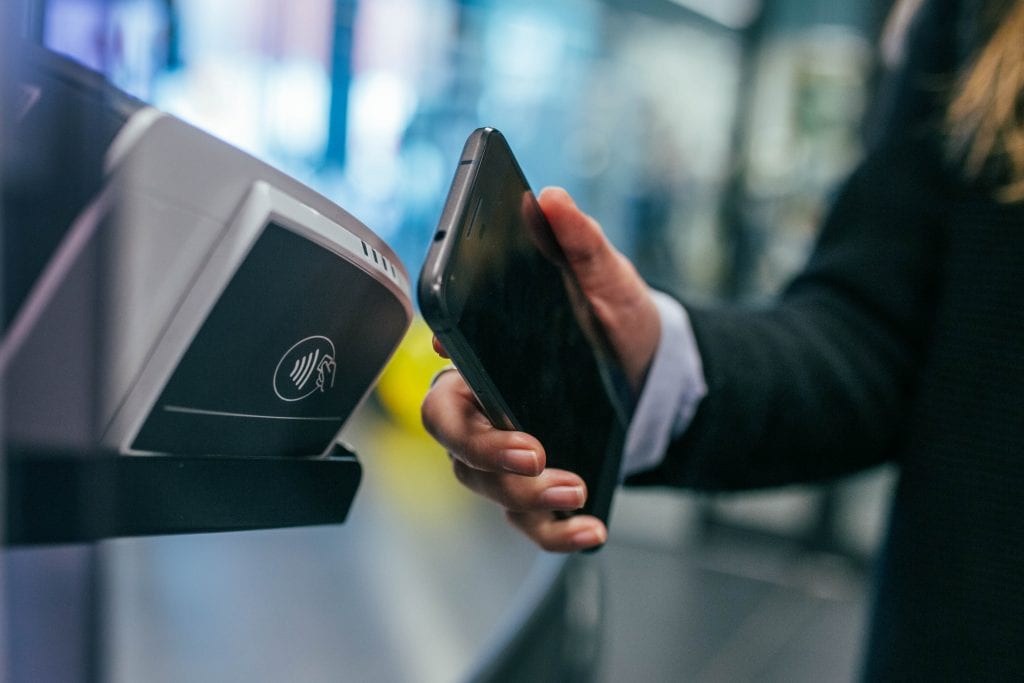
As the world moves closer to a cashless society, the way consumers manage and spend their money is undergoing significant changes. The decline in cash usage, driven by the rise of digital payments, contactless technology, and mobile wallets, is reshaping consumer behavior in profound ways. Understanding how a cashless society affects consumer spending is crucial for businesses, financial institutions, and policymakers as they navigate this transition.
The Rise of a Cashless Society
The shift towards a cashless society is fueled by several factors:
- Convenience: Digital payments offer unparalleled convenience, allowing consumers to make transactions quickly and easily, whether online or in-store. Mobile wallets and contactless payments enable users to pay with a simple tap, eliminating the need for carrying cash or dealing with change.
- Security: Many consumers perceive digital payments as more secure than carrying cash, as they reduce the risk of theft and offer additional protections, such as transaction monitoring and fraud alerts.
- Innovation in financial technology: The proliferation of fintech solutions, such as peer-to-peer payment apps and digital banks, has made cashless transactions more accessible and user-friendly.
Impact on Consumer Spending Habits
The move towards a cashless society has significant implications for consumer spending habits:
- Increased spending: Research suggests that consumers tend to spend more when using digital payments compared to cash. The ease of swiping a card or tapping a phone can make transactions feel less tangible, leading to higher spending, particularly on discretionary items.
- Impulse buying: The convenience of cashless payments can also encourage impulse buying. With no physical cash to limit spending, consumers may find it easier to make spontaneous purchases, which can lead to increased overall spending.
- Budgeting challenges: For some consumers, the lack of physical cash can make it more difficult to keep track of spending. While digital payment platforms often provide tools for monitoring expenses, the immediate visibility of cash transactions may be lost, potentially leading to less disciplined financial management.
- Shift in saving behavior: The ease of digital payments can also affect saving habits. Consumers may find it harder to set aside money when spending is as simple as tapping a card or phone. However, digital platforms can also support saving by offering features like automatic transfers to savings accounts, helping to mitigate this challenge.
Social and Economic Implications
Beyond individual spending habits, the transition to a cashless society has broader social and economic implications:
- Financial inclusion: While digital payments offer many benefits, they may also exacerbate financial exclusion for certain groups, such as the elderly, low-income individuals, or those without access to banking services. Ensuring that all consumers can participate in a cashless economy is a critical challenge.
- Privacy concerns: As cashless transactions become the norm, concerns about data privacy and surveillance may increase. Every digital transaction leaves a data trail, which can be used for various purposes, including targeted advertising or even monitoring by authorities.
- Impact on small businesses: Small businesses that rely on cash transactions may face challenges in a cashless society, including the cost of adopting digital payment systems and potential loss of customers who prefer to pay with cash. However, the shift also presents opportunities for businesses to reach new customers and streamline operations through digital payments.
The Future of Consumer Spending
As cash becomes less prevalent, the ways in which consumers interact with money will continue to evolve. Financial institutions, businesses, and policymakers must adapt to these changes by offering solutions that support responsible spending, protect consumer privacy, and promote financial inclusion.
For consumers, the key to navigating a cashless society lies in understanding how digital payments influence their spending habits and taking steps to maintain financial discipline. By leveraging the tools and features available through digital platforms, such as budgeting apps and automated savings, consumers can manage their finances effectively in a cashless world.
The shift to a cashless society is not without its challenges, but it also offers significant opportunities for innovation, efficiency, and convenience in consumer spending. As the trend continues, it will be essential to balance the benefits of cashless payments with the need to address potential risks and ensure that all consumers can participate in the evolving financial landscape.