
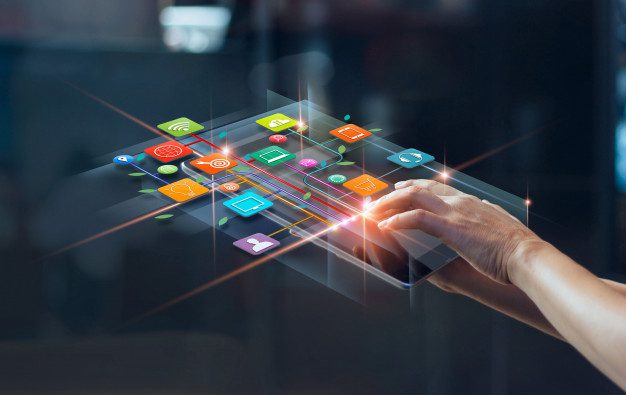
Mobile computing is set to dominate the future, and nowhere is this more evident than in the payments and banking industries. With the growing reliance on smartphones, tablets, and other mobile devices, consumers are increasingly demanding fast, convenient, and secure ways to manage their finances and make payments on the go. Mobile technology is transforming the way businesses and individuals interact with financial services, offering a range of benefits that make everyday transactions more seamless than ever before.
From mobile banking apps to mobile wallets, this shift is revolutionizing the financial landscape, giving rise to new innovations that cater to a more connected and mobile-centric world. As mobile computing continues to evolve, it will undoubtedly play a key role in shaping the future of payments and banking.
The Rise of Mobile Computing in Payments
Mobile computing refers to the ability to perform computing tasks on mobile devices like smartphones and tablets. Over the past decade, the rapid adoption of these devices has led to an explosion in mobile-based services, including in the payments and banking sectors. This growth is driven by several factors:
- Convenience: Mobile devices offer unparalleled convenience for users, enabling them to manage their finances, make payments, and even invest, all from the palm of their hand.
- Real-time access: The immediacy of mobile technology allows consumers to access their financial accounts in real-time, check balances, transfer money, and receive instant notifications about transactions.
- Enhanced security: Innovations in biometric authentication, such as fingerprint and facial recognition, have enhanced the security of mobile transactions, making mobile devices a trusted tool for financial management.
As mobile computing continues to evolve, it has become the preferred method of accessing banking and payment services for many consumers. This shift has profound implications for financial institutions, merchants, and payment providers.
Mobile Banking: A New Standard in Financial Services
One of the most significant impacts of mobile computing is the rise of mobile banking. Today, most major banks offer mobile apps that allow customers to manage their accounts, pay bills, and even apply for loans directly from their smartphones. Mobile banking is no longer a luxury but an expectation for many consumers, especially younger generations who prefer to manage their finances digitally.
Key benefits of mobile banking include:
- 24/7 access: Mobile banking provides customers with round-the-clock access to their accounts, allowing them to perform transactions at any time, without needing to visit a physical branch.
- Instant transfers: With mobile banking, users can transfer funds between accounts, send money to friends and family, and even pay merchants instantly. This level of convenience has made mobile banking a preferred option for many consumers.
- Mobile check deposit: Many banking apps now offer mobile check deposit features, allowing customers to deposit checks by simply taking a picture with their smartphone. This feature eliminates the need to visit a branch or ATM.
In addition to these conveniences, mobile banking apps offer security features like encryption and multi-factor authentication, making them a safe and reliable way to manage finances.
Mobile Payments: Revolutionizing How We Pay
In addition to mobile banking, mobile payments are transforming how consumers complete transactions. Mobile payment systems, such as Apple Pay, Google Pay, and Samsung Pay, allow users to make purchases in-store or online with their smartphones. These systems use Near Field Communication (NFC) technology, which enables contactless payments by simply tapping a phone against a payment terminal.
Benefits of mobile payments include:
- Speed and convenience: Mobile payments are fast and easy, eliminating the need for cash or cards. Users can make purchases with a quick tap, speeding up the checkout process.
- Security: Mobile payment systems use encryption and tokenization to protect users’ financial information, making them more secure than traditional card-based transactions. Biometric authentication, such as fingerprint or facial recognition, adds an additional layer of security.
- Mobile wallets: Many consumers now store their credit and debit card information in mobile wallets, which allow for one-click payments both in-store and online. Mobile wallets are not only convenient but also secure, reducing the risk of fraud.
As mobile payments become more widespread, merchants and retailers are adapting to meet the needs of mobile consumers. By accepting mobile payments, businesses can offer a faster, more convenient checkout experience, which can lead to increased customer satisfaction and loyalty.
Mobile Computing in the Future of Banking and Payments
Looking ahead, mobile computing will continue to drive innovation in the payments and banking industries. As consumers rely more heavily on their mobile devices for everyday transactions, financial institutions and payment providers will need to adapt by offering services that cater to a mobile-first world.
Emerging trends in mobile computing and payments include:
- Biometric authentication: As biometric technology advances, mobile devices will increasingly rely on fingerprint, facial, and even voice recognition for secure transactions. These methods offer more security than traditional passwords and PINs, making mobile payments even safer.
- Blockchain integration: Blockchain technology, which powers cryptocurrencies, is being explored as a way to enhance the security and transparency of mobile payments. By leveraging blockchain, mobile payments could become faster, more secure, and less expensive for both consumers and businesses.
- AI-driven financial management: Artificial intelligence (AI) is playing a growing role in mobile banking apps, providing users with personalized financial advice, budgeting tools, and insights into spending patterns. As AI continues to develop, mobile banking apps will become more intelligent, helping consumers make smarter financial decisions.
The Future of Financial Inclusion Through Mobile Computing
Mobile computing also plays a critical role in promoting financial inclusion. In many parts of the world, especially in developing countries, mobile phones are more accessible than traditional banking services. Mobile payment solutions are helping to bring financial services to previously underserved populations, enabling them to participate in the digital economy.
For example, mobile banking platforms in regions like Africa and Southeast Asia have allowed millions of unbanked individuals to access basic financial services, such as saving money, paying bills, and receiving payments. By expanding the reach of financial services through mobile technology, mobile computing is fostering economic growth and financial empowerment on a global scale.
Mobile computing is not just shaping the future of payments and banking—it is dominating it. As smartphones and mobile devices become more central to daily life, the demand for mobile banking and payment solutions will only grow. Financial institutions, merchants, and payment providers must adapt to this mobile-first landscape by offering seamless, secure, and user-friendly mobile experiences.
With innovations in biometric security, blockchain, and AI on the horizon, the future of mobile computing in payments and banking looks brighter than ever. Whether through mobile banking apps, digital wallets, or contactless payments, mobile computing will continue to revolutionize how we manage our money and conduct transactions, driving the payments industry toward a more connected and inclusive future.