
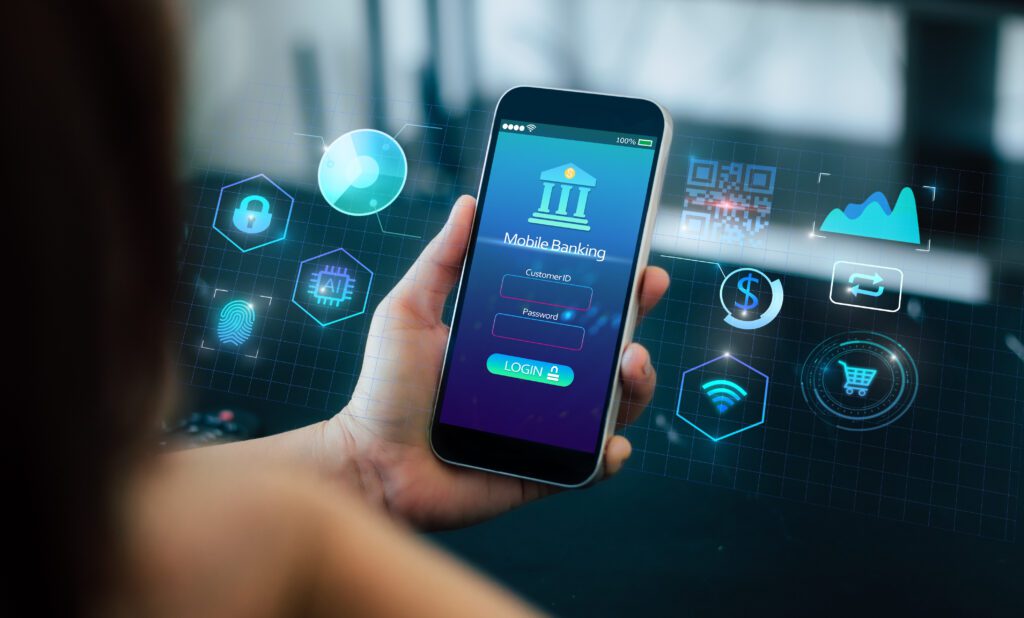
In the evolving financial landscape, personalization technology has shifted from being a novel feature to a critical component of modern banking. By leveraging data and advanced analytics, banks can deliver tailored experiences that meet individual customer needs, fostering loyalty and driving growth.
The Rise of Personalization in Banking
Historically, banks offered standardized products and services to broad customer segments. However, the advent of digital banking and big data has transformed customer expectations, with personalization now viewed as essential for:
- Enhancing Customer Experience: Tailored solutions create more relevant and meaningful interactions.
- Building Trust: Personalized services demonstrate that banks understand and prioritize their customers’ unique needs.
- Increasing Retention: Customers are more likely to stay with banks that cater to their specific financial goals.
Key Personalization Technologies in Banking
- Artificial Intelligence (AI) and Machine Learning (ML):
- Analyzing customer behavior to offer predictive recommendations, such as savings plans or investment options.
- Automating customer support with AI-powered chatbots that provide tailored responses.
- Customer Data Platforms (CDPs):
- Integrating and analyzing data from multiple touchpoints to create a 360-degree customer profile.
- Behavioral Analytics:
- Tracking spending habits and financial behaviors to deliver personalized advice and alerts.
- Mobile Banking Customization:
- Apps that allow customers to personalize their dashboards, set financial goals, and receive targeted notifications.
Benefits of Personalization for Banks
- Stronger Customer Relationships:
Personalization builds emotional connections by addressing individual preferences and concerns. - Higher Revenue Potential:
Offering tailored products increases cross-selling opportunities and customer lifetime value. - Competitive Advantage:
Banks that adopt personalization technology stand out in a crowded market, attracting tech-savvy customers.
Challenges in Implementing Personalization
- Data Privacy and Security:
Balancing personalized services with strict compliance to data protection regulations is essential. - Integration Complexities:
Legacy systems can hinder the implementation of advanced personalization technologies. - Customer Skepticism:
Some customers may be wary of data-driven personalization, fearing misuse or overreach.
The Future of Personalization in Banking
As technology advances, personalization in banking is expected to evolve further, with trends such as:
- Hyper-Personalization: Real-time data insights will enable banks to offer even more precise recommendations and solutions.
- Integration with IoT: Wearable devices and smart home technology could provide new data sources for tailored financial services.
- Ethical AI: Transparency in how customer data is used will become a key focus to build trust and ensure regulatory compliance.
Conclusion
Personalization technology has transformed from a novelty to a necessity in banking, redefining how financial institutions engage with their customers. By embracing innovative tools and strategies, banks can deliver meaningful, customized experiences that drive loyalty and growth. As the industry continues to adapt, personalization will remain at the heart of successful banking relationships.