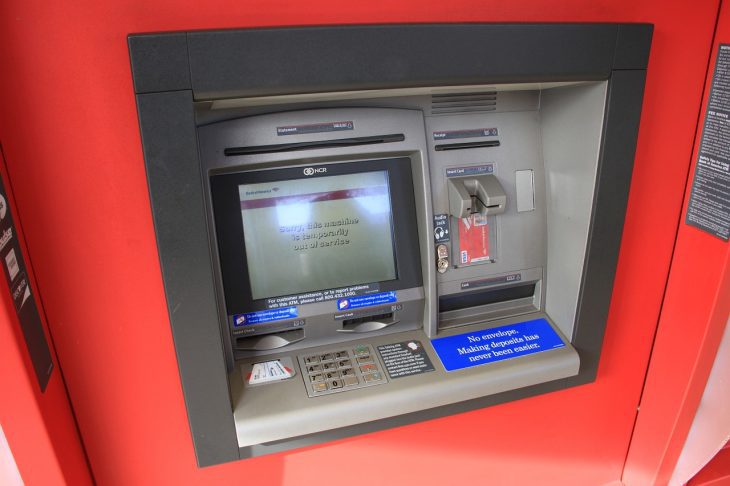
A few, short years ago, most banks and credit unions were breathing a sigh of relief, as they completed their final ATM upgrade to Windows 7. Although it was not mandated, Microsoft’s end of support for the widely utilized Windows XP halted security updates and initiated additional costs for continued temporary backend assistance.
While an end to support may not have created as large of an issue as in the past, the growing threat of cyber and malware attacks on any machine has made regular software updates essential for the continued secure operation of financial ATMs. The longer an ATM continued on the XP operating system (OS), the more vulnerable it became.
Microsoft Sets the Timer Again
ATM software experts warned that the Windows 7 migration was sure to be short-lived. And as predicted, Microsoft made the official announcement early last year – Windows 7 extended support will end on January 14, 2020.
As with the end of Windows XP, the 2020 date carries with it the halt to security updates for Windows 7, creating the standard risks associated with running unsupported operating systems including:
- Discontinued security patches
- Added vulnerability to cyber-attacks, malware, etc.
- Fees associated with non-compliant PCI standards
- Detriment to the overall security of terminals
However, the news is not all bad. The latest operating system, Windows 10, is touted as one of the most advanced and secure systems presented by Microsoft in many years. The OS includes built-in security, designed to detect and prevent emerging cybersecurity threats. In addition, Microsoft is including updates that go beyond the standard background changes from early renditions of Windows – intended to provide a longer lifespan to this latest OS version.
What Now?
The ATM Industry Association (ATMIA) recommends that a “2020” migration begin as soon as possible. Similar to the Windows XP migration, financial institutions should begin now to take the following steps to upgrade their ATMs:
- Determine the status of your ATM fleet – Some machines will not be capable of supporting Windows 10, even if they were able to upgrade to Windows 7 with ease. For some ATM models, deployed as recently as 2016, new computing processors will need to replace the existing system, because it does not have the “horsepower” to operate the new Windows 10 OS. In some instances, these newer processors are of the wrong size or have different peripherals; and, they will not even fit into the older ATMs. Ugh, that means purchasing a new ATM. Make sure you and your team are aware of which, if any, machines are compatible with the new OS.
- Organize a timeline and roadmap for implementation success – Remembering the Windows 7 migration, banks and credit unions had to wait for all of the certifications to be completed [manufacturers, processors, networks]. This, inherently, created an equipment inventory nightmare because the supply could not keep up with the demand. It is often best to determine how and when you need locations upgraded before speaking with vendor partners.
- Open communications with current ATM suppliers – For banks and credit unions operating their own terminals, it is best to begin speaking with ATM manufacturers and suppliers, as soon as possible, to schedule upgrade timelines and determine hardware/software availability. For those financial institutions partnering with ATM management or outsourcing companies, this can be as simple as a phone call or meeting, to ensure compliance upgrades are arranged and on-target.
- What else? – In addition to implementing Windows 10, it is a good idea to capitalize on any service being performed at your terminals when making the switch. Think about what other upgrades and changes could be made to further benefit your operational efficiencies and/or your cardholders.
January 14, 2020 seems like a long way away. But there are less than two years before the Windows 7 cut-off date hits; and, time flies when it comes to ATM upgrade completion. Fortunately, having recently completed an OS upgrade, most institutions and their partners are aware of the concerns and timelines to be addressed moving forward…as long as steps are taken to get things rolling.
About the author
About Paul Albright — A industry leader in the payments space for over 20 years, Paul serves as Executive Vice President with Outsource ATM, a full-service ATM management company that has been partnering with banks and credit unions since 2001. Connect with Paul on LinkedIn, follow him on Twitter or contact him via email.