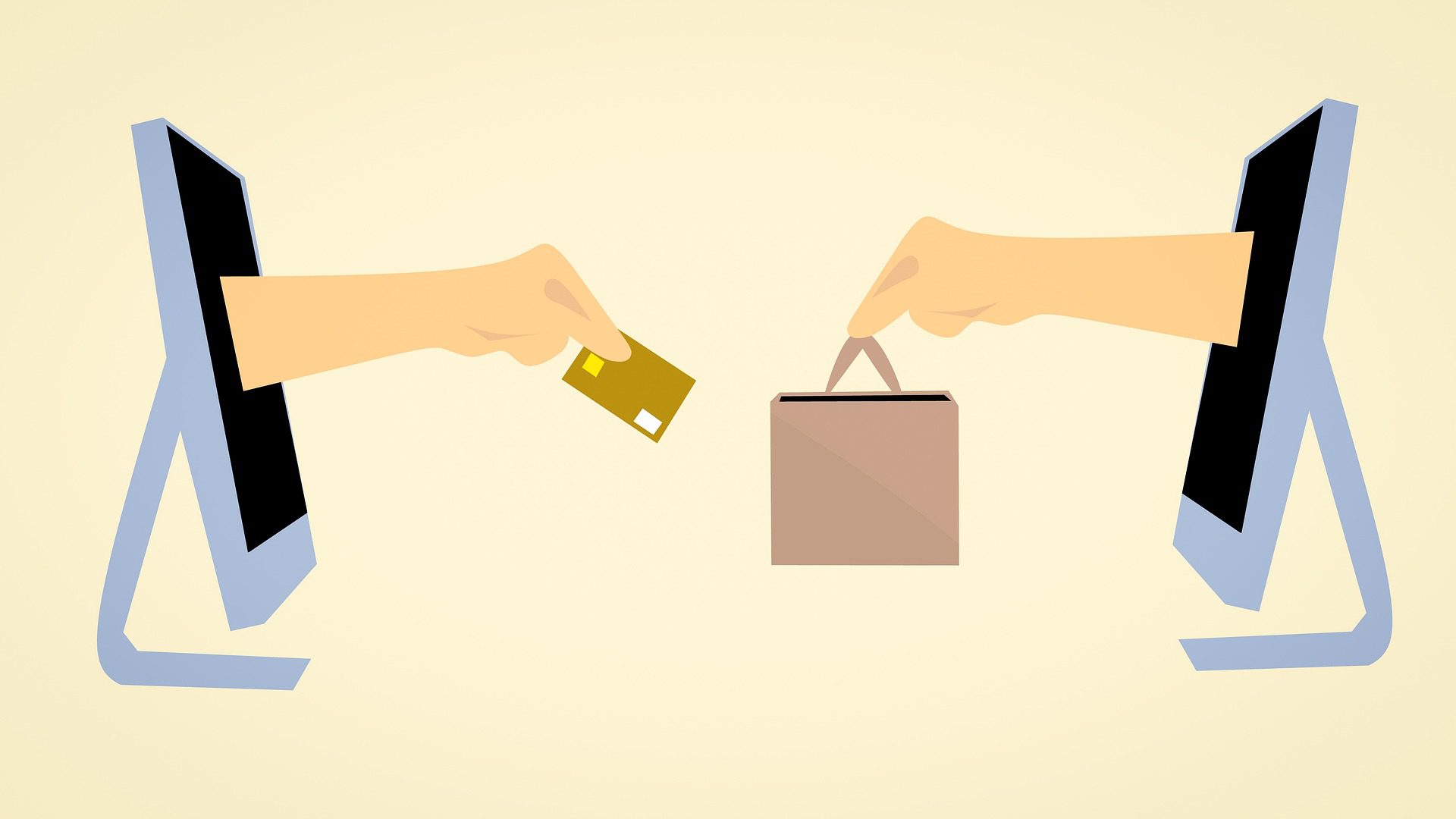
E-commerce accelerated amid the pandemic and shows no signs of slowing down. Reinforced by positive shopping experiences, and just an overall shift to digital shopping, more consumers are leaning towards online shopping for their everyday needs.
It’s crucial, now more than ever, for online merchants to provide frictionless and secure online payment options. Secure electronic payments help safeguard customers’ confidential data and reduce any unauthorized transactions.
Let’s take a look at six online payment trends that are shaping the future of e-commerce.
Frictionless E-commerce Shopping Experience Is No More a Delighter
Taking time to understand customer expectations helps guide merchants on the recent trends, and drive up engagement. This is key to boosting e-commerce sales as it helps businesses deliver exceptional shopping experiences and build loyal brand advocates.
According to PayPal’s “2022 PayPal Borderless Commerce” report, fast processing and data security are basic expectations. In fact, roughly a third (31%) of customers prefer a secure payment method that lets them shop across the globe, and nearly a quarter of respondents seek purchase protection. Online merchants and digital payment providers should focus on creating secure and hassle-free shopping experiences.
What’s more, many financial institutions are leveraging credit and debit card tokenization to ensure secure and frictionless transactions. In this method, the sensitive payment credentials of the original card get replaced with a short and unique code. For instance, a 16-digit credit card number or name of the cardholder gets replaced with unique alternatives. This reduces the hassles of entering card details manually and reduces the risk of fraud.
Jim Aramanda, CEO of The Clearing House, said: “Tokenization is another step financial institutions can take to make their customers’ accounts even more secure when making payments.”
Many e-commerce companies are also leveraging various technologies, including QR codes, to provide frictionless commerce. Currently, many QR codes are being used in live streaming settings. Brands such as Nike and Levi’s are using QR codes in live streams as a way to showcase branded products. What’s more? Brands, such as Dove and Nestlé design product covers with QR codes to offer discounts as another way to drive up sales.
Digital Invoicing Is Becoming a Reliable Source of Data
Digital invoicing, or e-invoicing, has been around for quite some time. However, more financial firms and commerce companies are leveraging digital invoices to better understand consumers via the trove of data they’ve collected.
Using this information can help businesses predict customer behavior and implement strategies to maximize sales. From preferred payment methods to the transaction time, online payment providers are using the insights to tailor new features in their payment apps. No wonder, companies have been deploying customer relationship management tools to analyze pivotal insights.
Buy Now, Pay Later Is Evolving with Crypto Payments
The buy now, pay later (BNPL) space has become mainstream, especially among young consumers who are looking for payment flexibility when it comes to their purchases.
According to several reports, the monthly installation of BNPL apps including Affirm, Klarna, Afterpay, and QuadPay has doubled. In fact, global BNPL transactions are expected to increase by more than $450 billion between 2021 and 2026, according to Statista.
With the increasing popularity of BNPL, financial institutions are focusing on crypto-BNPL fusion projects. For example, XRPaynet has announced plans to allow customers to buy products and services in crypto to be paid back in monthly installments.
Similarly, the leading financial industry player, Visa, is leveraging successful crypto card programs. The crypto-linked BNPL card allows customers to access liquidity to fund purchases and handle expenses. BNPL and crypto fusion will shift consumers out of traditional channels, and crypto-linked cards will dominate the industry in the long term.
This latest development is only the tip of the iceberg of innovative BNPL-based projects. Crypto applications in commerce will provide an opportunity to tap into a larger market.
Customer Data Privacy Laws Are Stricter Than Ever
Security and privacy are top-of-mind for consumers and business alike. The implications are vast and can harm a company and impact its bottom line. A survey from PCI Pal found that 41% of customers no longer trust brands due to security breaches. And as a result, they no longer want to continue doing business with them.
The government has introduced laws including that California Consumer Privacy Act (CCPA), General Data Protection Regulation (GDPR), and Lei Geral de Proteção de Dados (LGPD). Their enforcement will soon begin in 2023. Businesses will necessarily need to comply with privacy regulations. Several more privacy laws are in the pipeline, which the government in various regions will roll out in the upcoming months.
Omnichannel Customer Verification in Mobile Commerce Developments Will Raise the Bar
The rise of mobile commerce began when social media channels such as Instagram, Facebook, and Pinterest introduced “buy buttons” as well as with the introduction of one-click checkout options that made online payments hassle-free.
Currently, online payment providers are focusing on the development of omnichannel customer verification. They will create a digital identity that will allow customers to buy hassle-free online and offline. For instance, applications will have mobile phone facial recognition that will enable user verification across all platforms.
The creation of a digital ID across multiple channels will enable holistic customer verification.
Providing access to holistic customer information will allow businesses and financial institutions to provide tailored offerings, including financial aid. In addition, this will create new revenue streams, such as offering ID as a Service (IDaaS) for customer verification. This can be a game-changer for the commerce industry.
According to Insider Intelligence, retail m-commerce sales will cross $728.28 billion by 2025, an indication that more consumers will continue to rely on their devices to make purchases.
E-commerce Voice Payment May Be on the Rise
Voice is the most natural and easy mode of communication. Some 77.9 million consumers in the U.S. use voice assistants including Amazon’s Alexa and Apple’s Siri, according to Business Insider. Voice-related technology is becoming mainstream because of its massive adoption rate and advancements. From streaming music to home automation, voice assistants are everywhere.
However, when it comes to retailers and financial institutions, the adoption rates are pretty low. However, voice technology seems promising. The reason? Voices are as unique to people as their fingerprints. Aspects such as the user’s vocal timbre, pitch, and AI voice characteristics recognition can ensure secure, quick, and hassle-free consumer authentication.
At present, a few payment providers are working to embed speech functionality in payment options. For instance, Innovative Payment Solutions Inc. has partnered with DRUID to enable voice-based payments. The collaboration will allow IPSIPay app users to perform transactions via voice command.
As technology evolves, consumers can expect array of voice-based payment applications.
William Corbett, IPSI’s Chairman, says:
“The artificial intelligence newly embedded into the app will improve the accuracy and quality of the platform as it is used, enhancing the user experience as it learns that individuals’ particular voice characteristics resulting in improved results and better experience by the user.”