Article Update: June 2026. Samsung Pay’s Magnetic Secure Transmission (MST) technology is no longer included in modern Galaxy devices, but consumers continue to search for information about how the feature worked and why Samsung discontinued it. This article has been updated to reflect the current state of mobile payments and contactless acceptance.
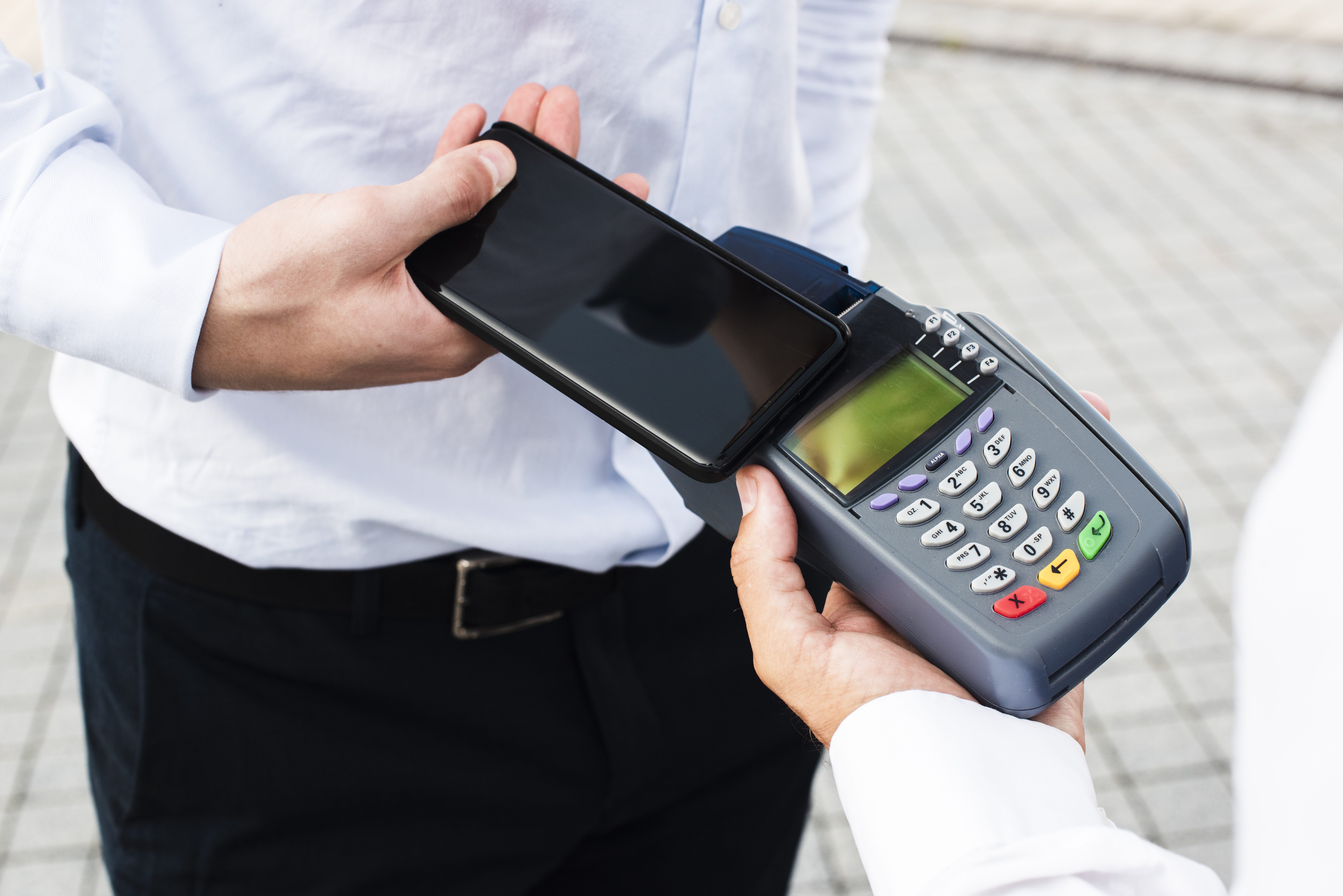
For years, Samsung Pay stood apart from competing mobile wallets thanks to a unique technology called Magnetic Secure Transmission (MST). Unlike standard contactless payments that rely on Near Field Communication (NFC), MST allowed Samsung phones to mimic the magnetic stripe on a traditional payment card. This enabled consumers to make mobile payments at many terminals that did not support contactless transactions.
However, Samsung began phasing out MST in 2021, signaling a broader shift toward NFC payments as contactless acceptance became widespread. Understanding why Samsung retired MST provides insight into the evolution of mobile payment technology and the future of digital wallets.
What Was Samsung Pay MST?
Magnetic Secure Transmission (MST) was a payment technology acquired by Samsung through its purchase of LoopPay in 2015. The technology generated a magnetic signal that resembled the data transmitted by a traditional card swipe.
As a result, Samsung Pay users could often make purchases by holding their phone near a card reader, even if the merchant had not upgraded to NFC-enabled payment terminals.
This capability gave Samsung Pay a significant advantage during the early years of mobile wallet adoption, particularly in markets where contactless payment acceptance remained limited.
Why Samsung Removed MST
Samsung announced in 2021 that new Galaxy devices would no longer include MST technology. The company cited the rapid adoption of NFC payments among both merchants and consumers as the primary reason for the change.
As contactless acceptance expanded globally, the need for MST diminished. Maintaining support for a separate payment technology became increasingly difficult to justify as merchants upgraded their point-of-sale systems and consumers became more comfortable using NFC-based wallets.
The removal of MST first appeared in the Galaxy S21 lineup and has continued across newer Samsung devices.
The Rise of NFC Payments
The retirement of MST reflects broader trends in the payments industry. Contactless payments have grown dramatically since 2021, driven by consumer demand for faster checkout experiences and increased adoption of digital wallets.
Today, most major retailers support NFC payments through Samsung Wallet, Apple Pay, and Google Wallet. Many transit systems, restaurants, and small businesses have also upgraded their payment terminals to support tap-to-pay functionality.
As a result, the primary advantage that MST once provided has largely disappeared.
Samsung Wallet Today
Samsung has continued to expand its digital wallet ecosystem even after discontinuing MST. Samsung Wallet now supports payment cards, loyalty cards, digital keys, identification credentials, and other digital assets through a unified mobile experience.
While older Galaxy devices that included MST may still support the feature, modern Samsung devices rely entirely on NFC for contactless payments.
The Legacy of MST
Although Magnetic Secure Transmission is effectively a retired technology, it played an important role in accelerating mobile payment adoption. By allowing consumers to use their phones at terminals that lacked NFC support, Samsung helped bridge the gap between traditional card payments and the contactless future.
Today, NFC has become the global standard for mobile payments, making MST less necessary. Still, Samsung Pay MST remains one of the more innovative payment technologies introduced during the early evolution of digital wallets.
Samsung Pay MST solved a major problem during the early years of mobile payments by enabling contactless purchases at terminals that were not NFC-enabled. As merchants modernized their payment infrastructure and contactless acceptance became commonplace, Samsung ultimately retired the technology. While MST is no longer available on current Galaxy devices, its impact helped pave the way for the widespread adoption of mobile wallets and contactless payment technology that consumers use today.