PaymentsJournal
No Result
View All Result
SIGN UP
  • Commercial
  • Credit
  • Debit
  • Digital Assets & Crypto
  • Digital Banking
  • Emerging Payments
  • Fraud & Security
  • Merchant
  • Prepaid
PaymentsJournal
  • Commercial
  • Credit
  • Debit
  • Digital Assets & Crypto
  • Digital Banking
  • Emerging Payments
  • Fraud & Security
  • Merchant
  • Prepaid
No Result
View All Result
PaymentsJournal
No Result
View All Result

Elon Musk’s X Continues Push to Become a Payments Company

By Josh Einis
August 30, 2023
in Analysts Coverage, Cryptocurrency, Digital Assets & Crypto
0
0
SHARES
0
VIEWS
Share on FacebookShare on TwitterShare on LinkedIn
Omnicommerce payments

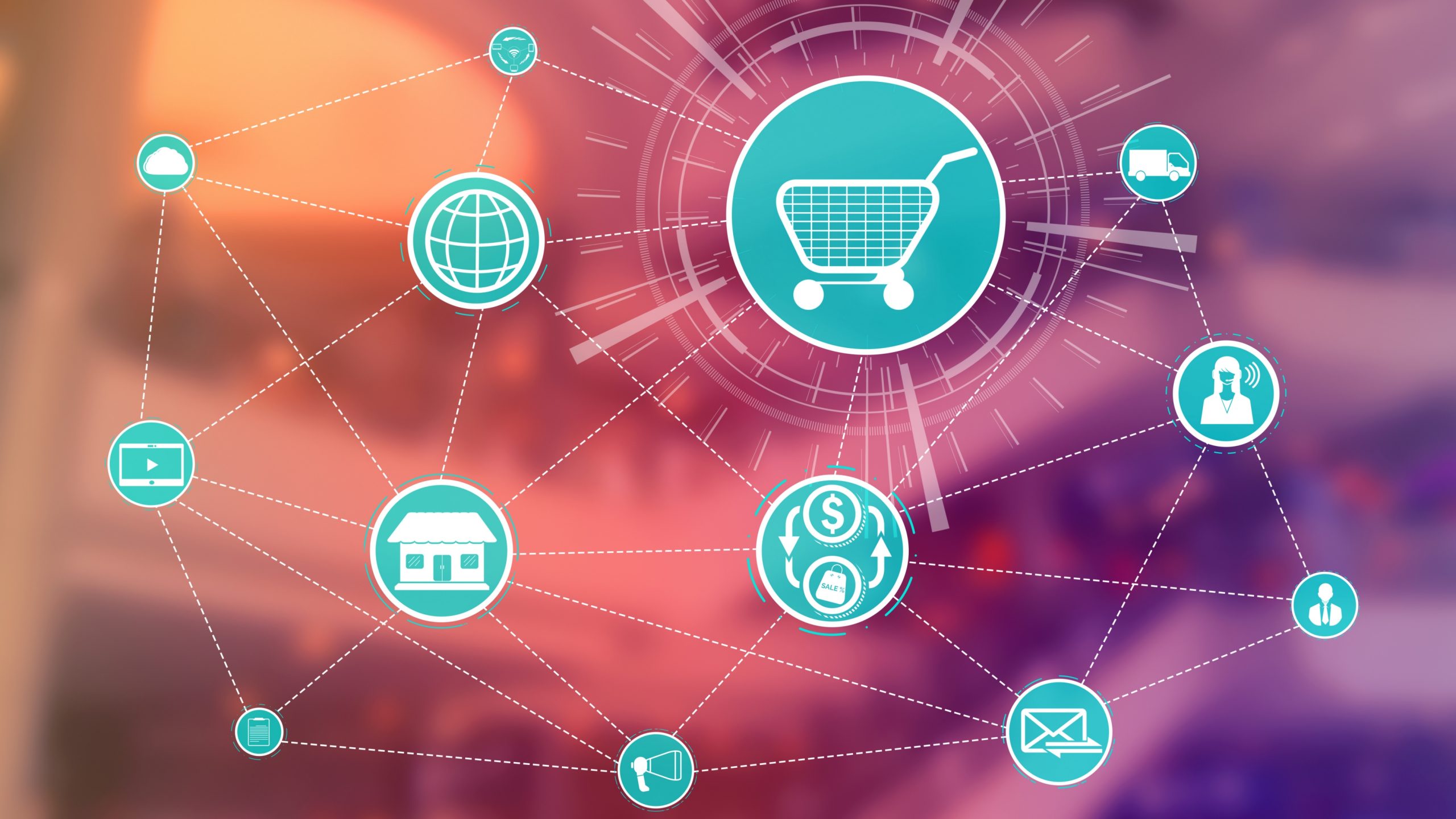
The Pandemic pulled forth Omnicommerce faster than Video Killed the Radio Star. It is no longer a two channel system of face-to-face and eCommerce. Omnicommerce expands the channels and experiences to offer on-demand, delivery, curbside pick-up, in-person and mobile. Social media and voice activated devices continue to add dimensions. Businesses must adapt and combine online and offline interactions with a payment system which supports the interactions, inventory and transactions demanded by Omnicommerce. Payments must remain fast, seamless and efficient yet evolve to account for the multitude of entry points. In this way, consumers will be rewarded and continue to engage and adopt new payment methods. The stakes are high, however as the converse is also true. Unified experiences or bust Customers demand a unified experience. They may purchase in one channel but they can and do return through another. POS systems must be able to retrieve card data and perform reference refunds such that the card data is not stored but the reference to the purchase may be pulled and the tokenized card may be credited. This provides for an efficient consumer experience while remaining PCI compliant A friend relayed how easy it was to return a purchase that his wife made on Amazon. He indicated he would return the items at a Whole Foods store and received a QR code. He walked into the store with the items and had them scan the QR code. He received a credit to his account the following morning. Mother necessity and inventory management Inventory management must track SKU location and be able to accept returns even if an item is not sold through the channel where the return occurs. I recently exchanged a power tool at a Big Box retailer which was purchased online. It was excruciating. The online model was exactly the same as the floor model but because the online model was bundled with other items, I needed to return the entire set even though the floor model was identical to what was purchased online. Because of a different online pricing scheme, staff were not allowed to exchange a floor model with one purchased online. This experience was so full of seams, by comparison, Frankenstein’s head would be unblemished. Inventory management must go further and delineate inventory by buckets such as On-hand inventory Sold but not shipped inventory that much be deducted and Ordered but not received inventory that must be added Reporting, tracking and marketing required Merchants must be able to track customer spend over differing channels and provide guidance for marketing investment. This insight will assist businesses with content creation and promotions which will be more meaningful and personalized. The engagement should meet customers where they are and pair the technological sophistication of the consumer to that of the marketing based on their history.

X, the social network formerly known as Twitter, has secured a currency transmitter license from Rhode Island regulators, underlining its ambitious foray into the financial services sector, according to Cointelegraph.

The currency transmitter license, obtained on Aug. 28, is mandatory for companies engaged in financial activities concerning money transfers and receipts, spanning traditional fiat currencies and the burgeoning realm of digital cryptocurrencies.

With this regulatory nod, X possesses the authority to facilitate the custody, transfer, and exchange of digital currencies. This brings Elon Musk one step closer to his vision of transforming X into an all-encompassing “everything app,” similar to Alipay and WeChat.

At PaymentJournal, we have covered X and its quest to reorient toward being a social payments platform. Twitter registered in November 2022 to be a money transmitter with the U.S. Treasury’s Financial Crimes Enforcement Network, and it has been proceeding with state-level licenses necessary to transition to becoming a payments company.

The approval from Rhode Island’s regulators follows X’s successful acquisition of money transmitter licenses in Michigan, Missouri, and New Hampshire on July 5. X has now secured transmitter licenses in seven U.S. states.

Although the specifics of X’s forthcoming financial offerings remain shrouded in mystery, insiders with knowledge of the company’s plans suggest that initial services will bear a resemblance to traditional fiat currency transactions, reminiscent of platforms like PayPal, a company co-founded by Musk. However, Cointelegraph reports reveal that Musk has instructed developers to build the platform in a way that allows future crypto functionality to be integrated.

“Clearly, Elon Musk and X are looking at payments as a way to increase the utility of the X platform,” said James Wester, Head of Cryptocurrency at Javelin Strategy & Research. “Licensing and permits, including at the state-level, is an important part of the process, but it’s only the beginning. The big question is whether or not X has the reach, reliability, and reputation that will make it an app consumers want to trust with financial transactions. Will they want to use X for payments given the other choices they have? That’s a big open question.”


0
SHARES
0
VIEWS
Share on FacebookShare on TwitterShare on LinkedIn
Tags: cryptoPayPalTwitter

    Get the Latest News and Insights Delivered Daily

    Subscribe to the PaymentsJournal Newsletter for exclusive insight and data from Javelin Strategy & Research analysts and industry professionals.

    Must Reads

    Reserve Bank of India (RBI) Extends Mandate for Tokenization to June '22

    Late Payments? Governments Are Taking Action

    February 9, 2026
    ai phishing

    The Fraud Epidemic Is Testing the Limits of Cybersecurity

    February 6, 2026
    stablecoins b2b payments

    Stablecoins and the Future of B2B Payments: Faster, Cheaper, Better

    February 5, 2026
    Payment Facilitator

    The Payment Facilitator Model as a Growth Strategy for ISVs

    February 4, 2026
    Simplifying Payment Processing? Payment Orchestration Can Help , multi-acquiring merchants

    Multi-Acquiring Is the New Standard—Are Merchants Ready?

    February 3, 2026
    ACH Network, credit-push fraud, ACH payments growth

    What’s Driving the Rapid Growth in ACH Payments

    February 2, 2026
    chatgpt payments

    How Merchants Should Navigate the Rise of Agentic AI

    January 30, 2026
    fraud passkey

    Why the Future of Financial Fraud Prevention Is Passwordless

    January 29, 2026

    Linkedin-in X-twitter
    • Commercial
    • Credit
    • Debit
    • Digital Assets & Crypto
    • Digital Banking
    • Commercial
    • Credit
    • Debit
    • Digital Assets & Crypto
    • Digital Banking
    • Emerging Payments
    • Fraud & Security
    • Merchant
    • Prepaid
    • Emerging Payments
    • Fraud & Security
    • Merchant
    • Prepaid
    • About Us
    • Advertise With Us
    • Sign Up for Our Newsletter
    • About Us
    • Advertise With Us
    • Sign Up for Our Newsletter

    ©2024 PaymentsJournal.com |  Terms of Use | Privacy Policy

    • Commercial Payments
    • Credit
    • Debit
    • Digital Assets & Crypto
    • Emerging Payments
    • Fraud & Security
    • Merchant
    • Prepaid
    No Result
    View All Result