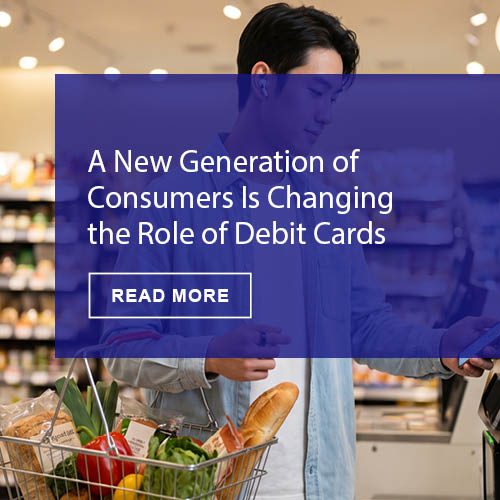
In recent years, banks have increasingly turned to self-service options as a way to enhance customer experience and streamline operations. From ATMs and online banking to mobile apps and automated customer support, these tools offer convenience and efficiency. However, despite the widespread adoption of self-service technologies, many banks are finding that these options alone are not delivering the intended business impact.
The Rise of Self-Service in Banking
Self-service options have become a cornerstone of modern banking, allowing customers to perform routine tasks—such as checking balances, transferring funds, and paying bills—without the need for human intervention. These tools have been particularly effective in reducing operational costs for banks by minimizing the need for in-branch services and manual processing.
Customers have also embraced self-service for its convenience, with many preferring the flexibility of managing their finances on their own terms, at any time of day. The rise of digital banking has further accelerated the adoption of self-service, with mobile apps and online platforms becoming the preferred channels for many banking activities.
The Limitations of Self-Service
Despite the benefits, self-service options are not a panacea for all banking challenges. There are several reasons why these tools alone are not delivering the desired business impact:
- Complex Transactions: While self-service works well for simple, routine tasks, it often falls short when it comes to more complex transactions or situations that require personalized advice. Customers dealing with issues such as loan applications, investment decisions, or fraud resolution still prefer the assurance and expertise of human interaction.
- Customer Satisfaction: Over-reliance on self-service can lead to frustration, especially when customers encounter problems that the automated systems cannot resolve. In these cases, the lack of immediate access to human support can negatively impact customer satisfaction and loyalty.
- Digital Divide: Not all customers are comfortable with or have access to digital tools. Some segments of the population, particularly older customers or those in rural areas, may struggle with self-service options and prefer in-person interactions. Focusing solely on self-service can alienate these customers and limit the bank’s reach.
- Brand Differentiation: In a competitive market, banks need to differentiate themselves through superior customer service and personalized offerings. While self-service can improve efficiency, it does little to build relationships or create a unique brand experience that sets a bank apart from its competitors.
The Need for a Balanced Approach
To achieve the intended business impact, banks need to strike a balance between self-service options and personalized customer interactions. This means integrating self-service tools with human support in a way that complements each other, rather than relying on automation alone.
- Hybrid Service Models: Banks can adopt hybrid models that combine the efficiency of self-service with the personal touch of human advisors. For example, a customer might start a transaction online and then be seamlessly connected to a customer service representative for further assistance if needed.
- Enhanced Customer Support: Investing in robust customer support teams that can handle complex inquiries and provide personalized advice is crucial. This ensures that customers have access to the help they need, when they need it, without being forced into self-service options that may not meet their needs.
- Leveraging Data: Banks can use the data gathered from self-service interactions to better understand customer preferences and behaviors. This data can inform more targeted, personalized service offerings, enhancing the overall customer experience.
- Inclusive Solutions: Ensuring that self-service tools are accessible to all customers, regardless of their digital proficiency, is key. Providing alternative channels for those who are less comfortable with technology ensures that no customer is left behind.
While self-service options have transformed banking by providing convenience and efficiency, they are not enough on their own to drive the business impact that banks seek. To truly succeed, banks must complement these tools with strong customer support, personalized services, and inclusive strategies that cater to the diverse needs of their customer base.
By embracing a balanced approach that values both technology and human interaction, banks can achieve the desired business outcomes while maintaining high levels of customer satisfaction and loyalty.