PaymentsJournal
No Result
View All Result
SIGN UP
  • Commercial
  • Credit
  • Debit
  • Digital Assets & Crypto
  • Digital Banking
  • Emerging Payments
  • Fraud & Security
  • Merchant
  • Prepaid
PaymentsJournal
  • Commercial
  • Credit
  • Debit
  • Digital Assets & Crypto
  • Digital Banking
  • Emerging Payments
  • Fraud & Security
  • Merchant
  • Prepaid
No Result
View All Result
PaymentsJournal
No Result
View All Result

Wearables Can Become Good Payments Fit

By Raymond Pucci
September 25, 2018
in Analysts Coverage, Contactless, Credit, Debit
0
4
SHARES
0
VIEWS
Share on FacebookShare on TwitterShare on LinkedIn
Wearables

Wearables

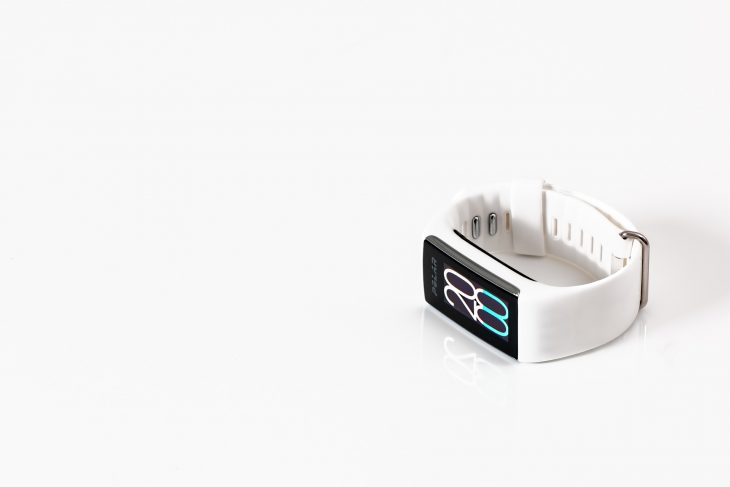
The payments ring—don’t leave home without it. This might be a slightly recycled slogan by providers of wearable payment devices. As the following Wall Street Journal article describes, a payments ring is getting some attention in Australia.

“Buying beer at his local shop recently near Melbourne, Australia, Ashley Leahy advanced on the cashier’s desk and made his hand into a fist. He wanted to pay with the ring on his finger. So, naturally, he held his knuckles up to the shop’s payment-card reader. The cashier “thought it was some sort of scam,” says Mr. Leahy, 32, who works for a market-research firm. “He looked down at my ring and my hand, and was like, ‘What are you doing?’ ”

Mr. Leahy received the ring from Australia’s Bankwest, which instructed him to make a fist as if knocking on a door. The payment went through, satisfying the befuddled cashier. Mr. Leahy got his beer. Customers are paying with rings, watches, bracelets and key rings in a trial this year in the Netherlands by Dutch bank ABN AMRO Group .Barclays PLC has a wearables service in the U.K., which, along with options such as key fobs and wristbands, offers stickers customers can use to turn almost anything into a payment device. Mr. Leahy’s ring can link to a debit or credit card and uses technology similar to the tiny antennas in “contactless” bank cards that users tap on card readers.”

Wearable payment devices are not new, but have been coming into their own more recently. American Express and Visa have brought out these handy payment devices at venues such as the Olympics and the U.S. Tennis Open. Apple just introduced the latest version in its watch line that has had a payments capability. So this brings back the familiar discussion about contactless payments. Why haven’t they caught on in the U.S., as they have in Europe and Canada? Certainly U.S. transit systems have been early adopters and commuters have begun accustomed to tap and go. Various retail gas brands have introduced them as well. When it comes to the basic POS checkout, consumers are used to just pull out their plastic to swipe or insert into the terminal. But wait—there are contactless U.S. credit cards in the market, so why not more widespread adoption? The simple answer is the manufacturing cost to the issuers that have just undergone the EMV transformation, plus only about half of U.S. merchants have contactless enabled terminals. We will see more contactless cards and wearables in the future, but this will be a slow multi-year growth curve.

Overview by Raymond Pucci, Director, Merchant Service at Mercator Advisory Group

4
SHARES
0
VIEWS
Share on FacebookShare on TwitterShare on LinkedIn
Tags: Wearables

    Get the Latest News and Insights Delivered Daily

    Subscribe to the PaymentsJournal Newsletter for exclusive insight and data from Javelin Strategy & Research analysts and industry professionals.

    Must Reads

    Reserve Bank of India (RBI) Extends Mandate for Tokenization to June '22

    Late Payments? Governments Are Taking Action

    February 9, 2026
    ai phishing

    The Fraud Epidemic Is Testing the Limits of Cybersecurity

    February 6, 2026
    stablecoins b2b payments

    Stablecoins and the Future of B2B Payments: Faster, Cheaper, Better

    February 5, 2026
    Payment Facilitator

    The Payment Facilitator Model as a Growth Strategy for ISVs

    February 4, 2026
    Simplifying Payment Processing? Payment Orchestration Can Help , multi-acquiring merchants

    Multi-Acquiring Is the New Standard—Are Merchants Ready?

    February 3, 2026
    ACH Network, credit-push fraud, ACH payments growth

    What’s Driving the Rapid Growth in ACH Payments

    February 2, 2026
    chatgpt payments

    How Merchants Should Navigate the Rise of Agentic AI

    January 30, 2026
    fraud passkey

    Why the Future of Financial Fraud Prevention Is Passwordless

    January 29, 2026

    Linkedin-in X-twitter
    • Commercial
    • Credit
    • Debit
    • Digital Assets & Crypto
    • Digital Banking
    • Commercial
    • Credit
    • Debit
    • Digital Assets & Crypto
    • Digital Banking
    • Emerging Payments
    • Fraud & Security
    • Merchant
    • Prepaid
    • Emerging Payments
    • Fraud & Security
    • Merchant
    • Prepaid
    • About Us
    • Advertise With Us
    • Sign Up for Our Newsletter
    • About Us
    • Advertise With Us
    • Sign Up for Our Newsletter

    ©2024 PaymentsJournal.com |  Terms of Use | Privacy Policy

    • Commercial Payments
    • Credit
    • Debit
    • Digital Assets & Crypto
    • Emerging Payments
    • Fraud & Security
    • Merchant
    • Prepaid
    No Result
    View All Result