PaymentsJournal
No Result
View All Result
SIGN UP
  • Commercial
  • Credit
  • Debit
  • Digital Assets & Crypto
  • Digital Banking
  • Emerging Payments
  • Fraud & Security
  • Merchant
  • Prepaid
PaymentsJournal
  • Commercial
  • Credit
  • Debit
  • Digital Assets & Crypto
  • Digital Banking
  • Emerging Payments
  • Fraud & Security
  • Merchant
  • Prepaid
No Result
View All Result
PaymentsJournal
No Result
View All Result

Australian Supermarket Chain to Compete With Big Banks With Revamped Payment Offerings

By Tristan Hugo-Webb
July 16, 2014
in Analysts Coverage
0
0
SHARES
0
VIEWS
Share on FacebookShare on TwitterShare on LinkedIn
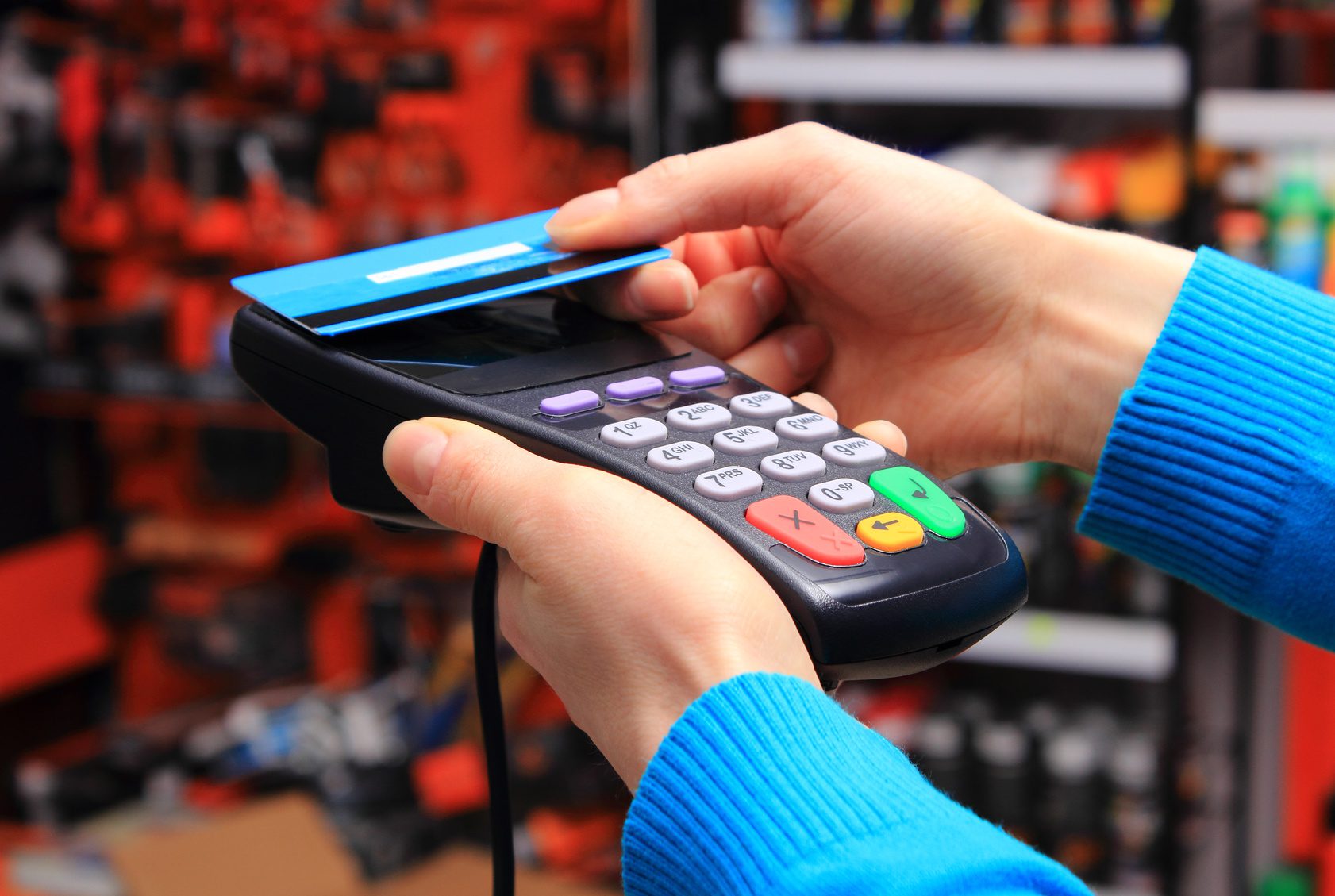
Hand of woman paying with contactless credit card, NFC technology

Hand of woman paying with contactless credit card with NFC technology in an electrical shop, credit card reader, payment terminal, finance concept

A recent article on creditcards.com describes why it’s so difficult to estimate how much the average consumer owes in credit card debt.

The Federal Reserve banks, as well as the major credit bureaus, often come up with conflicting numbers. The explanation: each group is actually measuring something different. Some estimates attempt to measure debt at the household level, others at the card or account level. Some include all card accounts; others exclude inactive accounts as well as accounts that don’t typically carry a balance. Below are a few examples from the creditcards.com article. As you can see, the range is quite significant:

• $1,037, per card that doesn’t carry a balance.
• $4,878, per person, excluding unused cards, store cards.
• $7,100, per household with credit card debt.
• $8,220, per card that usually carries a balance.

Many estimates start with the Fed’s G-19 statistic of revolving consumer debt which is mostly (but not entirely) comprised of credit card debt. Even though the Fed’s and others’ estimates all have some drawbacks, the trend line is hard to dispute. Consumers as a whole have significantly reduced credit card borrowing since the recession.

Click here to read more from creditcards.com.

0
SHARES
0
VIEWS
Share on FacebookShare on TwitterShare on LinkedIn

    Get the Latest News and Insights Delivered Daily

    Subscribe to the PaymentsJournal Newsletter for exclusive insight and data from Javelin Strategy & Research analysts and industry professionals.

    Must Reads

    ai phishing

    The Fraud Epidemic Is Testing the Limits of Cybersecurity

    February 6, 2026
    stablecoins b2b payments

    Stablecoins and the Future of B2B Payments: Faster, Cheaper, Better

    February 5, 2026
    Payment Facilitator

    The Payment Facilitator Model as a Growth Strategy for ISVs

    February 4, 2026
    Simplifying Payment Processing? Payment Orchestration Can Help , multi-acquiring merchants

    Multi-Acquiring Is the New Standard—Are Merchants Ready?

    February 3, 2026
    ACH Network, credit-push fraud, ACH payments growth

    What’s Driving the Rapid Growth in ACH Payments

    February 2, 2026
    chatgpt payments

    How Merchants Should Navigate the Rise of Agentic AI

    January 30, 2026
    fraud passkey

    Why the Future of Financial Fraud Prevention Is Passwordless

    January 29, 2026
    payments AI

    When Can Payments Trust AI?

    January 28, 2026

    Linkedin-in X-twitter
    • Commercial
    • Credit
    • Debit
    • Digital Assets & Crypto
    • Digital Banking
    • Commercial
    • Credit
    • Debit
    • Digital Assets & Crypto
    • Digital Banking
    • Emerging Payments
    • Fraud & Security
    • Merchant
    • Prepaid
    • Emerging Payments
    • Fraud & Security
    • Merchant
    • Prepaid
    • About Us
    • Advertise With Us
    • Sign Up for Our Newsletter
    • About Us
    • Advertise With Us
    • Sign Up for Our Newsletter

    ©2024 PaymentsJournal.com |  Terms of Use | Privacy Policy

    • Commercial Payments
    • Credit
    • Debit
    • Digital Assets & Crypto
    • Emerging Payments
    • Fraud & Security
    • Merchant
    • Prepaid
    No Result
    View All Result