PaymentsJournal
No Result
View All Result
SIGN UP
  • Commercial
  • Credit
  • Debit
  • Digital Assets & Crypto
  • Digital Banking
  • Emerging Payments
  • Fraud & Security
  • Merchant
  • Prepaid
PaymentsJournal
  • Commercial
  • Credit
  • Debit
  • Digital Assets & Crypto
  • Digital Banking
  • Emerging Payments
  • Fraud & Security
  • Merchant
  • Prepaid
No Result
View All Result
PaymentsJournal
No Result
View All Result

Banking the “Gig Economy”

By Sarah Grotta
January 3, 2017
in Analysts Coverage
0
0
SHARES
0
VIEWS
Share on FacebookShare on TwitterShare on LinkedIn
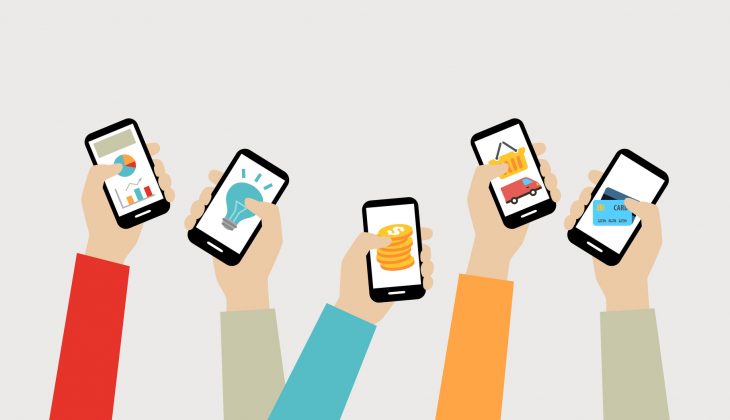
Mobile apps concept in flat design style.

Mobile apps concept in flat design style.

Banking Exchange published an article on the “hot” topic of the freelance or gig economy workers and implications for the financial sector. The percentage of the population in the U.S. that relies on this type of work as opposed to more traditional employer – employee relationships is growing. There are many who are augmenting traditional jobs with consistent or occasional work assignments to increase personal earnings:

According to a study by the McKinsey Global Institute, Independent Work: Choice, Necessity, and the Gig Economy, 20%-30% of working-age population in the U.S. engages in independent work.

Of those, 72% do so by choice, the other 28% out of necessity. Additionally, 47% of youths (under the age of 25) and 44% of seniors (over the age of 65) participate in independent work.

This could be a sign that the gig economy is providing more opportunities to those who may otherwise be unable to participate in traditional employment. Proponents of the gig economy maintain that gigs allow workers to have a better work-life balance and smooth their income when other sources are unreliable.

The article takes aim at banks and credit unions for not sufficiently supporting the banking needs of these individuals:

Uber drivers need bank accounts to be paid and auto loans to obtain cars to drive. Because few banks have taken on the challenge of marketing services specifically to gig economy workers, Uber the transportation disrupter is becoming a financial disrupter.

Uber is doing it themselves, a trend that we may see take off in other segments of the gig economy.

Uber has partnered with GoBank to offer drivers bank accounts, debit cards, and Instant Pay services. Other services include ordering checks, making ACH money transfers, and depositing cash at participating stores, including CVS, Walgreens, Walmart, etc.

This is not necessarily a bad thing. Inventive organizations like GoBank (Green Dot Bank), Hyperwallet, Payoneer, Tipalti and others are creating ways to serve this market and shouldering the risks associated with a forming market. If traditional FIs want to take a wait and see approach, that’s fine. There are actions that FIs should consider now, however, which is to understand the unique needs of this market. For example, banks should recognize individuals’ income is not entirely captured by standard payroll transactions. Failing to acknowledge revenue from freelance activities may provide an incomplete picture of consumers’ financial health and therefore missed opportunities.

Overview by Sarah Grotta, Director, Debit Advisory Service at Mercator Advisory Group

Read the full story here

0
SHARES
0
VIEWS
Share on FacebookShare on TwitterShare on LinkedIn
Tags: Self Service and Convenience

    Get the Latest News and Insights Delivered Daily

    Subscribe to the PaymentsJournal Newsletter for exclusive insight and data from Javelin Strategy & Research analysts and industry professionals.

    Must Reads

    cross-border tokenized deposits

    Ant International and HSBC Pilot Cross-Border Tokenized Deposit Transfers on Swift

    December 12, 2025
    Fiserv stablecoin

    Three Small Business Trends That Banks Can Hop On in 2026

    December 11, 2025
    echeck

    Beyond Paper: Why More Businesses Are Turning to eChecks

    December 10, 2025
    metal cards

    Leveraging Metal Cards to Attract High-Value Customers

    December 9, 2025
    fraud as a service

    Keeping Up with the Most Dangerous Fraud Trends of 2026

    December 8, 2025
    open banking

    Open Banking Has Begun to Intrude on Banks’ Customer Relationships

    December 5, 2025
    conversational payments

    Conversational Payments: The Next Big Shift in Financial Services  

    December 4, 2025
    embedded finance

    Inside the Embedded Finance Shift Transforming SMB Software

    December 3, 2025

    Linkedin-in X-twitter
    • Commercial
    • Credit
    • Debit
    • Digital Assets & Crypto
    • Digital Banking
    • Commercial
    • Credit
    • Debit
    • Digital Assets & Crypto
    • Digital Banking
    • Emerging Payments
    • Fraud & Security
    • Merchant
    • Prepaid
    • Emerging Payments
    • Fraud & Security
    • Merchant
    • Prepaid
    • About Us
    • Advertise With Us
    • Sign Up for Our Newsletter
    • About Us
    • Advertise With Us
    • Sign Up for Our Newsletter

    ©2024 PaymentsJournal.com |  Terms of Use | Privacy Policy

    • Commercial Payments
    • Credit
    • Debit
    • Digital Assets & Crypto
    • Emerging Payments
    • Fraud & Security
    • Merchant
    • Prepaid
    No Result
    View All Result