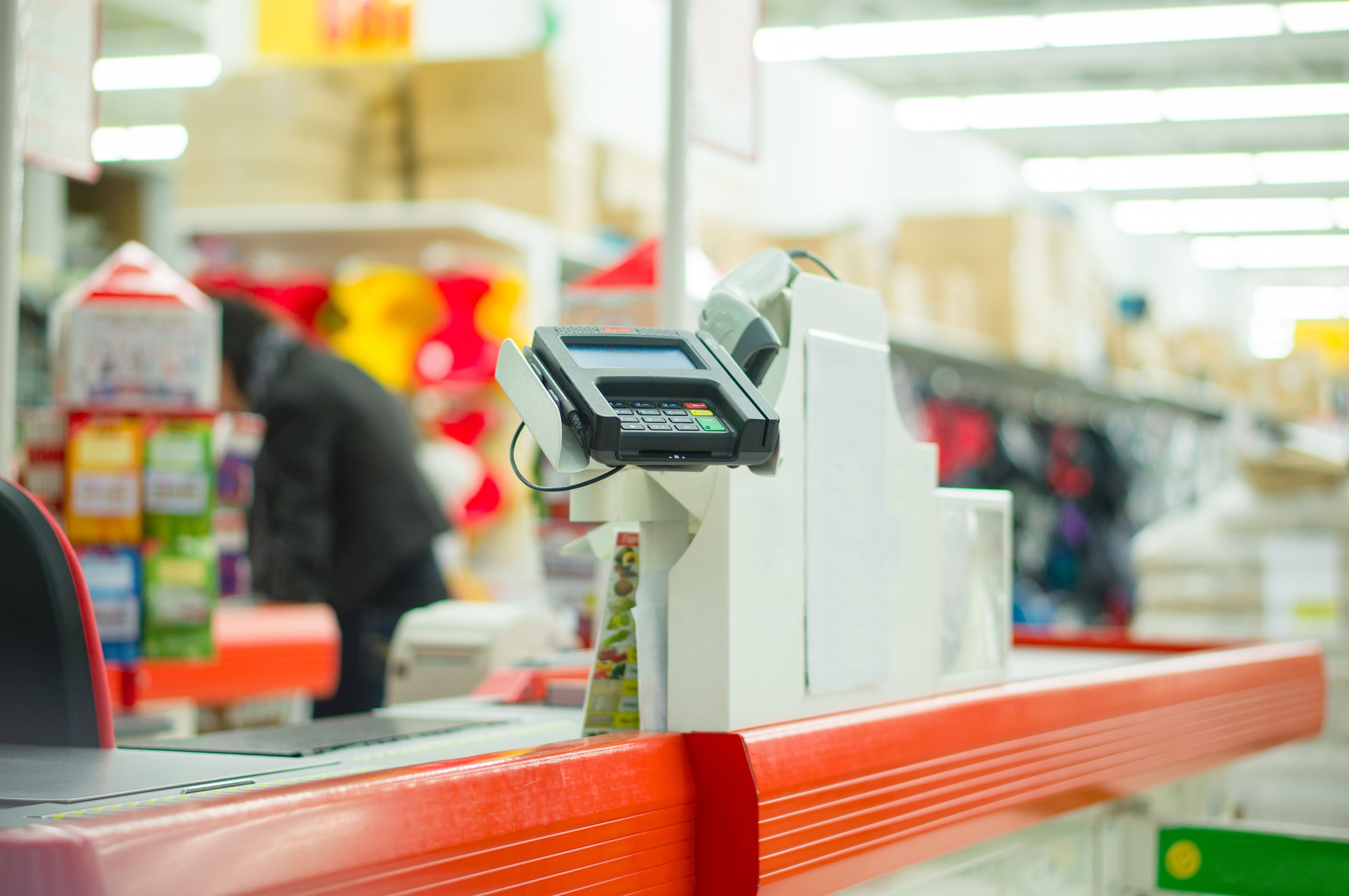
An increasing number of merchants are turning off NFCcapabilities to block Apple Pay. CVS andRiteAid have now joined the ranks of Walmart and Best Buy in a bid to promotethe unavailable CurrentC wallet over the currently available Apple Pay product,as indicated in this article from BusinessInsider:
“Americanretailers appear to have gone to war against Apple’s new mobile paymentssystem, Apple Pay, and Apple is losing.
Wal-Mart,Best Buy, Rite Aid, and CVS have all said they want nothing to do with thesystem (or Google Wallet, for that matter). The latter pair tried it and thendisabled it over the weekend.
Appleis hanging on to a tiny gaggle of corporate partners. As described by theVerge, it sounds bleak:
Aquick look at Apple’s website explaining the service highlights just 34 retailpartners that support the system. Eight of those are different flavors of FootLocker. One is Apple itself.
Sothat’s basically just 26 companies, not including Apple.”
The article suggests that the retailers are blocking ApplePay because the tokenization process that protects the consumer’s paymentcredentials also blocks the merchant’s ability to track the consumer, whereasthe merchant’s not-yet-available product CurrentC solves that particularproblem, albeit in a relatively consumer unfriendly way:
“It’san early battle, so it is premature to say who will win in the long run. Appleappears to have created an ingenious and obviously superior mobile paymentssystem. But retailers control their own checkouts — they get to say who payswith what, not Apple. And Wal-Mart, the world’s largest retailer, is backingthe retailers’ system via a company it is partnering with called MCX.
Theretailers don’t want Apple to monopolize a system that will produce a lot ofvaluable customer data. Their system, “CurrentC,” will let them keepthat data.”
The differences between Apple Pay and CurrentC are spelledout:
“ApplePay is an elegant, universal, simple-to-use system that can be used by anyretailer. You just touch your finger on the iPhone Touch ID fingerprintscanner, wave your phone near the NFC checkout device at the store, and approvethe payment.
CurrentC,by contrast, is kinda clunky, the early reviews say. Here’s John Gruber, therespected tech writer:
What Apple gets and what no one else in the industry does is that usingyour mobile device for payments will only work if it’s far easier and betterthan using a credit card. With CurrentC, you’ll have to unlock your phone,launch their app, point your camera at a QR code, and wait. With Apple Pay, youjust take out your phone and put your thumb on the Touch ID sensor.
Apple’ssystem works with any credit card you want to punch into the system. Apple Paybasically partners with, and sits on top of, the existing credit-card systemand makes credit cards super-easy to use by funneling payments securely throughyour phone. It shields data from retailers, too — which is why Wal-Mart et al.don’t like it.
Theretailers’ CurrentC system does something similar, but without the fingerprintand without the one-step approval. You have to scan things and punch in codesto make the payment. The advantage of CurrentC is that it automatically appliesdiscounts and coupons to your purchase, so consumers are heavily encouraged touse it. It also funnels a ton of data to retailers. And it has about 60companies on board.
The article then suggests this is a war between Apple andthe retailers:
“Soin the long run, the fight will be between Apple’s system, which is simple andworks universally as any credit card, and Wal-Mart’s system, which iscomplicated and works only when a store agrees to adopt it.
That’swhy, even though it looks as if the Apple Pay launch is in tatters, youshouldn’t assume that Apple has lost the war.”
In reality, this is a battle between the merchants and thepayment networks and Apple has simply picked the payment networks as itspartner. So now the race comes down tothis. The merchants must bring aspectacular CurrentC mobile payments product to market and the payment networksand banks must launch an Android mobile payments implementation that is aselegant as Apple Pay. Let the racebegin!
Overview by Tim Sloane, VP Payments Innovation for Mercator Advisory Group
Read full story at Business Insider