New research from incentives solutions leader Blackhawk Network delves into how and which incentives can most effectively spur COVID-19 vaccine adoption
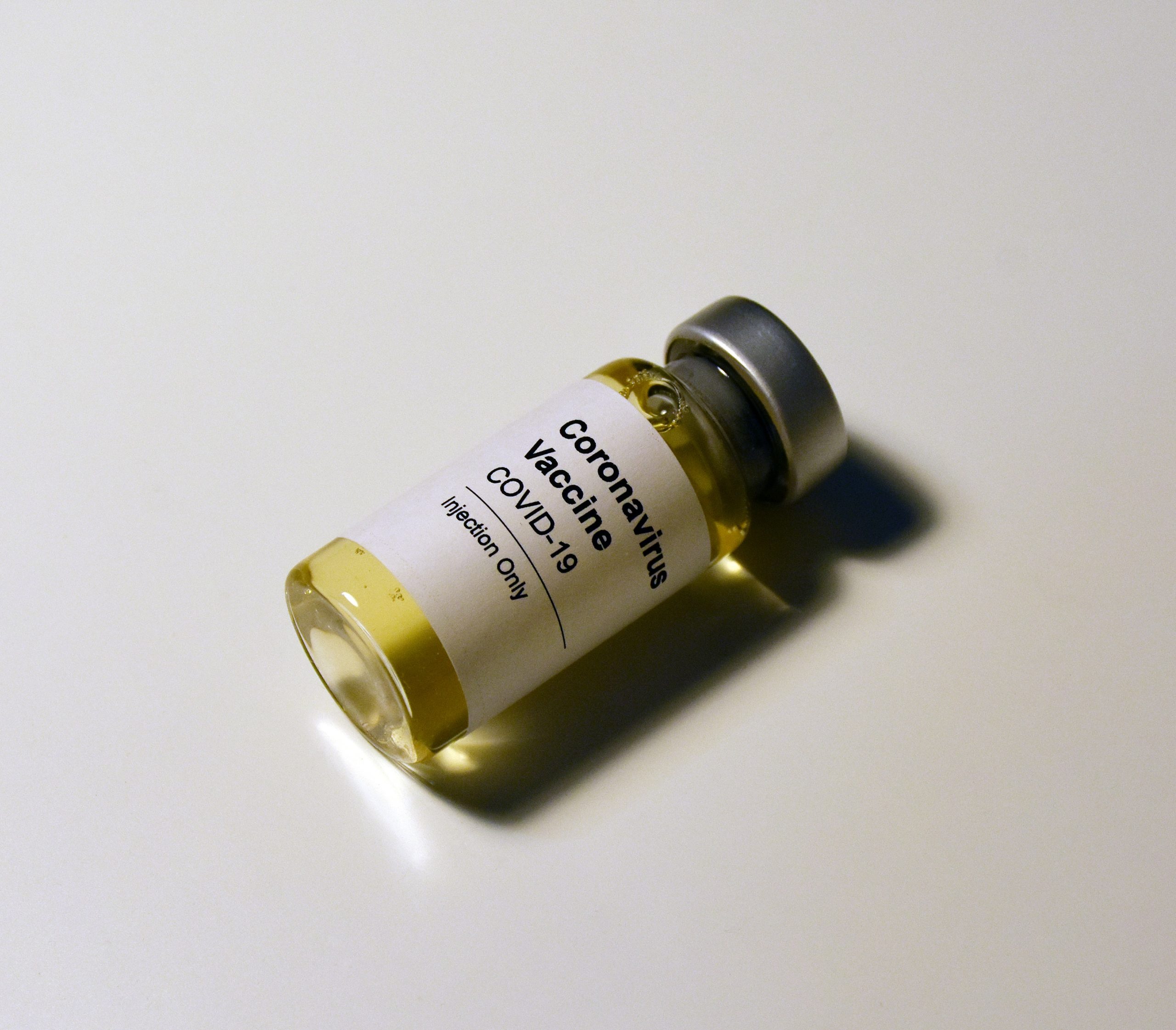
PLEASANTON, Calif. – Jan. 26, 2021 – As government leaders and major organizations such as the National Retail Federation and other US businesses encourage Americans to receive the COVID-19 vaccine, incentives solutions leader Blackhawk Network conducted research[1] to understand which incentives could prove most effective. The Centers for Disease Control and Prevention report that more than 12 million Americans (approximately 3.7% of the total U.S. population[2]) have received at least one dose of a COVID-19 vaccine. According to Blackhawk’s research, approximately 40% of respondents are either unsure about getting the vaccine or do not plan to get it—but certain incentives could boost vaccination rates.
“We have been receiving an influx of questions from our clients and partners about the role incentives play in encouraging Americans to receive the COVID-19 vaccine. To better understand how incentives could impact COVID-19 immunization adoption and provide informed insights to our partners, we conducted research that found monetary incentives—even modest ones—could be an effective option,” said Jeff Haughton, SVP, Incentives, Corporate Development & Strategy of Blackhawk Network, a global branded payments provider. “Incentives are powerful tools for driving desired behaviors, and the key for government agencies and businesses looking to increase vaccination rates and support public health will be ensuring they are offering incentives their target audiences find most valuable and attractive.”
The “COVID-19 Vaccine Incentives” study was comprised of two surveys asking Americans about whether incentives from the government or their employer would motivate them to get the COVID-19 vaccine. Topline findings include:
- Money talks. When asked their preferred incentive for getting the COVID-19 vaccine, money was the top choice among respondents. More than two thirds said they would accept a monetary incentive ranging from as little as $10 to as much as $1,000 or more—one third of the total respondents would complete the vaccination process for a $100 incentive or less. The remaining third of respondents said money would not influence their willingness to get the vaccine. Paid time off was a distant second choice.
- Monetary incentives are welcome in different forms. While most respondents would prefer to receive their incentives via a direct deposit to their bank account, about 25% would prefer to receive a prepaid or gift card in digital or physical form. About 10% of respondents would prefer to receive digital delivery via PayPal, Zelle or Venmo.
- Incentives drive vaccination rates among families. Receiving the COVID-19 vaccine after being encouraged by the government or an employer would not only drive people to vaccinate themselves but would also encourage half of respondents to urge their family members to also get vaccinated.
“Last year’s events significantly impacted many Americans’ financial security, so it’s no surprise that monetary incentives can be effective in motivating people to receive the COVID-19 vaccine,” added Talbott Roche, CEO and president of Blackhawk Network. “It also makes sense that one quarter of respondents would prefer their incentive on a prepaid or gift card. A significant number of Americans are unbanked or underbanked and as the U.S. economy increasingly relies on digital transactions post-COVID, payment cards can help connect those who otherwise struggle to access the digital economy. Just in the last few months, we’ve seen forms of branded payments like gift cards used by nonprofits to distribute relief, the government for stimulus payments, employers increasing rewards and recognition and retailers embracing contactless payments. It’s no stretch that vaccine incentives are next on the list. By providing Americans with funds they can spend via multiple channels, businesses and the government are encouraging them to spend with local, regional and national merchants—pumping money back into our economy while simultaneously driving behavior.”
Blackhawk Network is one of the top issuers of gift and prepaid cards with more than $25 billion distributed annually cross the globe. Visit www.blackhawknetwork.com for a full selection of prepaid and gift card options.
[1] The “COVID-19 Vaccine Incentives” report is based on the combined findings of two internet-based surveys conducted by Survey Monkey on behalf of Blackhawk Network January 15–17, 2021. The sample size for the government incentives study included 1,005 U.S. respondents ages 18+ and the sample size for the employer incentives study included 1,105 U.S. respondents ages 18+.
[2] “U.S. and World Population Clock” is a real-time population tracker managed by the U.S. Census Bureau. As of January 19, 2021, the tracker reported the U.S. population to be more than 330 million people.