PaymentsJournal
No Result
View All Result
SIGN UP
  • Commercial
  • Credit
  • Debit
  • Digital Assets & Crypto
  • Digital Banking
  • Emerging Payments
  • Fraud & Security
  • Merchant
  • Prepaid
PaymentsJournal
  • Commercial
  • Credit
  • Debit
  • Digital Assets & Crypto
  • Digital Banking
  • Emerging Payments
  • Fraud & Security
  • Merchant
  • Prepaid
No Result
View All Result
PaymentsJournal
No Result
View All Result

As Plastic Reigns, the Treasury Slows Its Printing Presses

By Mercator Advisory Group
July 6, 2011
in Analysts Coverage
0
0
SHARES
0
VIEWS
Share on FacebookShare on TwitterShare on LinkedIn
Bank fintech

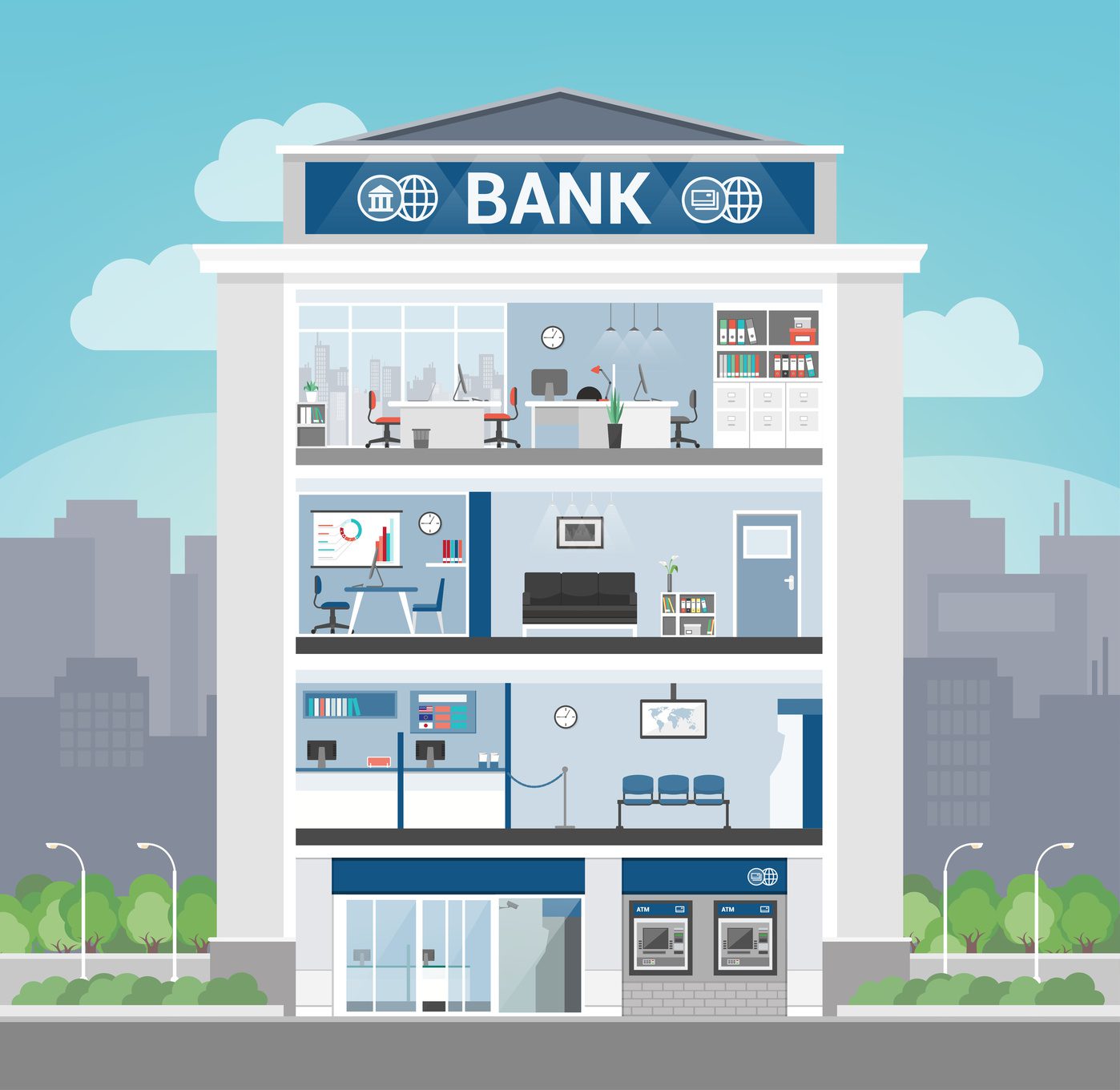
Bank building interior with office, front desk, waiting room, entrance and self service atm, banking and finance concept

One outcome of the revolution in electronic payments is the declining use of currency in the U.S., and in particular the value of U.S. currency in circulation. The U.S. Treasury scaled back its production of $5 bills last year, and did not have to print and $10 bills.

There is no definitive data on all of this. Cash transactions are notoriously hard to track, in part because people use cash when they do not want to be tracked. But a simple ratio is illuminating. In 1970, at the dawn of plastic payment, the value of United States currency in domestic circulation equaled about 5 percent of the nation’s economic activity. Last year, the value of currency in domestic circulation equaled about 2.5 percent of economic activity.

On the other hand, currency is not disappearing, but rather the distribution of currency is changing.

The futurists who have long predicted the end of paper money also underestimated the rise of the $100 bill as one of America’s most popular exports.

For two decades, since the fall of the Soviet Union, demand has exploded for the $100 bill, which is hoarded like gold in unstable places. Last year Treasury printed more $100 bills than dollar bills for the first time. There are now more than seven billion pictures of Benjamin Franklin in circulation — and the Federal Reserve’s best guess is that two-thirds are held by foreigners. American soldiers searching one of Saddam Hussein’s palaces in 2003 found about $650 million in fresh $100 bills.

This is very profitable for the United States. Currency is printed by the Treasury and issued by the Federal Reserve. The central bank pays the Treasury for the cost of production — about 10 cents a note — then exchanges the notes at face value for securities that pay interest. The more money it issues, the more interest it earns. And each year the Fed returns to the Treasury a windfall called a seigniorage payment, which last year exceeded $20 billion.

Mercator notes that other unforeseen developments could drive a resurgence of cash usage. In recent consumer research conducted for TSYS, consumers who have become used to paying with debit often cite cash as their fall-back tender of choice, should the cost and convenience of using debit cards change significantly.

Read the article here:http://feeds.nytimes.com/click.phdo?i=ddbe10df9b70b9f0279501d682fdc496

0
SHARES
0
VIEWS
Share on FacebookShare on TwitterShare on LinkedIn

    Get the Latest News and Insights Delivered Daily

    Subscribe to the PaymentsJournal Newsletter for exclusive insight and data from Javelin Strategy & Research analysts and industry professionals.

    Must Reads

    agentic commerce

    Will Agentic Commerce Break Through Next Year?

    December 19, 2025
    visa mastercard settlement

    Why Walmart Is Taking the Lead Against the Visa and Mastercard Settlement

    December 18, 2025
    commercial banking onboarding

    The Biggest Bottleneck in Commercial Banking? Onboarding

    December 17, 2025
    Amazon, Visa, and the UK: Credit Card Retail Wars and My Rewards, Amazon Pay cash load

    Trouble at Home: A Second Flop in Credit Card Rewards

    December 16, 2025
    mastercard merchant

    Payments Simplicity Is Still Key for Most Shoppers

    December 15, 2025
    cross-border tokenized deposits

    Ant International and HSBC Pilot Cross-Border Tokenized Deposit Transfers on Swift

    December 12, 2025
    Fiserv stablecoin

    Three Small Business Trends That Banks Can Hop On in 2026

    December 11, 2025
    echeck

    Beyond Paper: Why More Businesses Are Turning to eChecks

    December 10, 2025

    Linkedin-in X-twitter
    • Commercial
    • Credit
    • Debit
    • Digital Assets & Crypto
    • Digital Banking
    • Commercial
    • Credit
    • Debit
    • Digital Assets & Crypto
    • Digital Banking
    • Emerging Payments
    • Fraud & Security
    • Merchant
    • Prepaid
    • Emerging Payments
    • Fraud & Security
    • Merchant
    • Prepaid
    • About Us
    • Advertise With Us
    • Sign Up for Our Newsletter
    • About Us
    • Advertise With Us
    • Sign Up for Our Newsletter

    ©2024 PaymentsJournal.com |  Terms of Use | Privacy Policy

    • Commercial Payments
    • Credit
    • Debit
    • Digital Assets & Crypto
    • Emerging Payments
    • Fraud & Security
    • Merchant
    • Prepaid
    No Result
    View All Result