PaymentsJournal
No Result
View All Result
SIGN UP
  • Commercial
  • Credit
  • Debit
  • Digital Assets & Crypto
  • Digital Banking
  • Emerging Payments
  • Fraud & Security
  • Merchant
  • Prepaid
PaymentsJournal
  • Commercial
  • Credit
  • Debit
  • Digital Assets & Crypto
  • Digital Banking
  • Emerging Payments
  • Fraud & Security
  • Merchant
  • Prepaid
No Result
View All Result
PaymentsJournal
No Result
View All Result

Bad Actors Exploit Apple’s iCloud Calendar for Phishing Attempts

By Wesley Grant
September 8, 2025
in Analysts Coverage, Cybersecurity, Elder Fraud, Fraud & Security
0
0
SHARES
0
VIEWS
Share on FacebookShare on TwitterShare on LinkedIn
icloud phishing

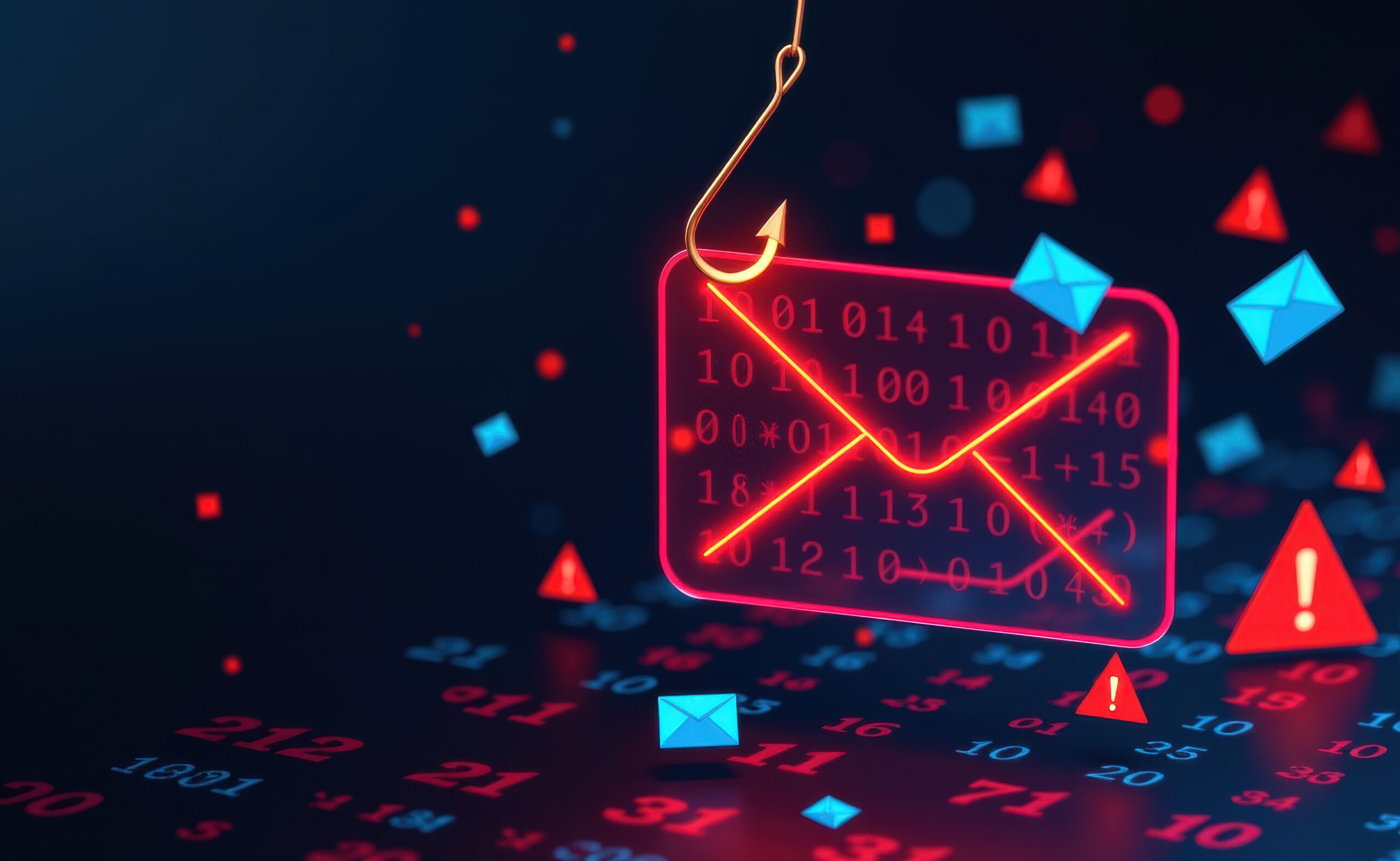
A digital illustration of a glowing red email envelope hooked by a phishing hook, symbolizing cyber threats, email scams, phishing attacks, and online fraud in a futuristic cybersecurity concept.

As email fraud filters become more sophisticated, cybercriminals are turning to Apple’s iCloud to bypass safeguards and deliver phishing messages.

According to BleepingComputer, bad actors are sending fraudulent calendar invites that claim a victim’s PayPal account has been billed for hundreds of dollars and instruct them to review a purchase receipt.

The objective is to pressure the target into calling a fake customer service number to dispute the charge. Once on the phone, bad actors attempt to convince the victim to download software that grants criminals access to personal and financial data, while also creating a gateway to install malware.

Phishing Through Trusted Channels

This type of callback phishing scam is not new, and email filters are increasingly designed to weed out such messages. What makes the iCloud-based attacks particularly threatening is that they are sent from Apple’s legitimate website, giving them a much higher chance of reaching their intended audience.

In the example uncovered by BleepingComputer, the iCloud calendar invite was sent from a Microsoft 365 account controlled by the bad actors. Since the email originiated from an Apple account and was then forwarded by a Microsoft account, it didn’t trigger any red flags. Similarly, these attacks have a greater chance of fooling their targets since they appear to come from legitimate sources.

Suspecting All Communications

Impersonating brands like Microsoft, Apple, Amazon, and PayPal has been a common practice for bad actors. While these attacks were originally easier to spot due to typos or grammatical irregularities, phishing attacks have become increasingly hard to discern.

They are also often coupled with social engineering tactics, where an individual is pressed with urgent language that demands immediate action. The combination of realistic messages and strongarm tactics is too often effective—especially against older consumers.

In addition to fabricated messages, there is a growing trend where cybercriminals exploit loopholes in organizations’ platforms for financial gain. For example, bad actors have sent phishing requests to users on PayPal’s legitimate platform, which appear disturbingly convincing.

As phishing messages become more sophisticated, users must suspect all unsolicited communications, especially those that request immediate action.


0
SHARES
0
VIEWS
Share on FacebookShare on TwitterShare on LinkedIn
Tags: AppleiCloudPayPalphishingPhishing Attacks

    Get the Latest News and Insights Delivered Daily

    Subscribe to the PaymentsJournal Newsletter for exclusive insight and data from Javelin Strategy & Research analysts and industry professionals.

    Must Reads

    metal cards

    Leveraging Metal Cards to Attract High-Value Customers

    December 9, 2025
    fraud as a service

    Keeping Up with the Most Dangerous Fraud Trends of 2026

    December 8, 2025
    open banking

    Open Banking Has Begun to Intrude on Banks’ Customer Relationships

    December 5, 2025
    conversational payments

    Conversational Payments: The Next Big Shift in Financial Services  

    December 4, 2025
    embedded finance

    Inside the Embedded Finance Shift Transforming SMB Software

    December 3, 2025
    metal cards

    Metal Card Magnitude: How a Premium Touch Can Enthrall High-Value Customers

    December 2, 2025
    digital gift cards

    How Nonprofits Can Leverage Digital Gift Cards to Help Those in Need

    December 1, 2025
    stored-value prepaid

    How Stored-Value Accounts Are the Next Iteration of Prepaid Payments

    November 26, 2025

    Linkedin-in X-twitter
    • Commercial
    • Credit
    • Debit
    • Digital Assets & Crypto
    • Digital Banking
    • Commercial
    • Credit
    • Debit
    • Digital Assets & Crypto
    • Digital Banking
    • Emerging Payments
    • Fraud & Security
    • Merchant
    • Prepaid
    • Emerging Payments
    • Fraud & Security
    • Merchant
    • Prepaid
    • About Us
    • Advertise With Us
    • Sign Up for Our Newsletter
    • About Us
    • Advertise With Us
    • Sign Up for Our Newsletter

    ©2024 PaymentsJournal.com |  Terms of Use | Privacy Policy

    • Commercial Payments
    • Credit
    • Debit
    • Digital Assets & Crypto
    • Emerging Payments
    • Fraud & Security
    • Merchant
    • Prepaid
    No Result
    View All Result