PaymentsJournal
No Result
View All Result
SIGN UP
  • Commercial
  • Credit
  • Debit
  • Digital Assets & Crypto
  • Digital Banking
  • Emerging Payments
  • Fraud & Security
  • Merchant
  • Prepaid
PaymentsJournal
  • Commercial
  • Credit
  • Debit
  • Digital Assets & Crypto
  • Digital Banking
  • Emerging Payments
  • Fraud & Security
  • Merchant
  • Prepaid
No Result
View All Result
PaymentsJournal
No Result
View All Result

BNY Mellon Explores Tokenized Deposits for Internal Transactions

By Tom Nawrocki
October 7, 2025
in Analysts Coverage, Digital Assets & Crypto
0
0
SHARES
0
VIEWS
Share on FacebookShare on TwitterShare on LinkedIn
swift cross-border

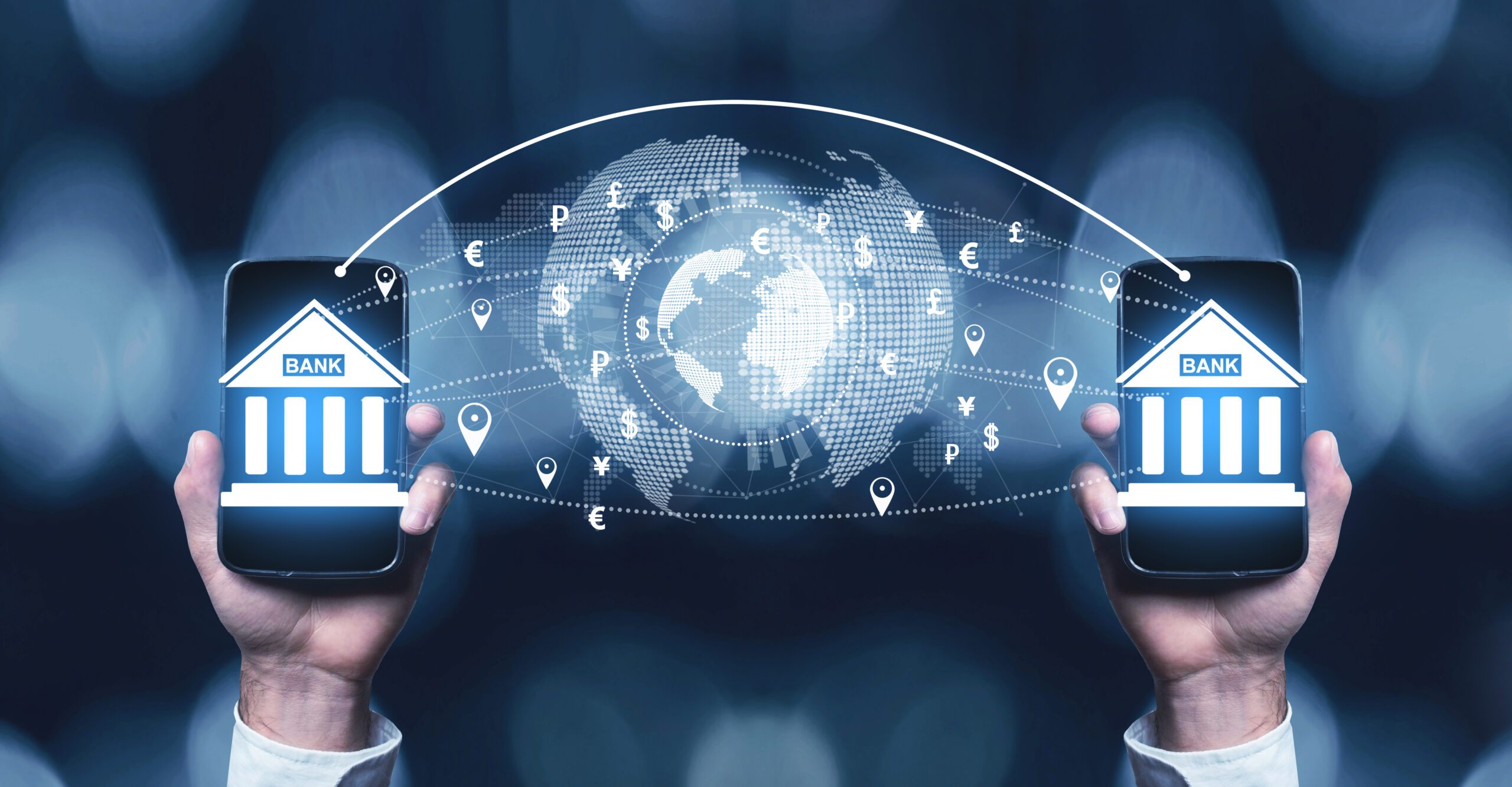
Banks financial transfer money. Online Banking. Business

BNY Mellon is exploring the use of tokenized deposits to enable its institutional clients to make payments over blockchain rails. As the world’s largest custodian by assets, BNY’s treasury services unit processes roughly $2.5 trillion in payments each day and oversees about $55.8 trillion in assets.

Tokenized deposits share many characteristics with stablecoins, offering the stability and trust of traditional banking services while leveraging blockchain infrastructure. However, unlike stablecoins, tokenized deposits represent direct claims on commercial bank balances.

The industry has been actively seeking use cases that expand the utility of tokenized deposits. By moving these assets onto decentralized ledgers, BNY would be able to settle transactions almost instantly and at reduced costs. The system would also operate around the clock—an advantage over traditional correspondent banking networks, which are constrained by standard operating hours.

Unlocking New Use Cases

The move comes as stablecoins have gained immense popularity as a means of facilitating cross-border payments. BNY Mellon is the official custody partner for Ripple’s stablecoin, RLUSD. While stablecoins have become useful for payments between financial institutions, tokenized deposits are finding their own applications.

“The use cases for a company like BNY are many,” said Joel Hugentobler, Cryptocurrency Analyst at Javelin Strategy & Research. “There’s the potential for automation on unlocking liquidity once certain obligations and conditions are met, and for 24/7 cash sweeps that reduce intraday borrowing or overdraft risk. Tokenized deposits could reduce failed-trade risk in fund redemptions due to instant settlement. They have the potential to be programmable coupon or dividend disbursements. Repo transactions and clearing are a huge part of banks operations, so this could reduce the timelines and move collateral instantly.”

The Problem of Interoperability

The use of these tokens remains limited due to the lack of interoperability between banks. Enabling banks to transact tokenized deposits with one another would require a shared communication system, which does not yet exist.

“Some of the other use cases involving cross border payments are still in the air,” said Hugentobler. “They need to figure out the interoperability side between banks to participate on any given ledger.”

This isn’t BNY’s first venture into token innovation. The company recently launched a tokenized money market fund in collaboration with Goldman Sachs. Other banks are also exploring similar initiatives: HSBC introduced a tokenized deposit service for corporate clients to support cross-border transactions, while JPMorgan Chase launched a pilot program giving institutional clients access its own proprietary deposit token.


0
SHARES
0
VIEWS
Share on FacebookShare on TwitterShare on LinkedIn
Tags: BNY MellonCross-Border PaymentsLiquidityRippleStablecoinstokenized deposits

    Get the Latest News and Insights Delivered Daily

    Subscribe to the PaymentsJournal Newsletter for exclusive insight and data from Javelin Strategy & Research analysts and industry professionals.

    Must Reads

    agentic commerce

    Demystifying the Agentic Commerce Enigma

    February 11, 2026
    payment gateways

    How Payment Gateways for Businesses Can Help You Offer Your Customers More Options

    February 10, 2026
    Reserve Bank of India (RBI) Extends Mandate for Tokenization to June '22

    Late Payments? Governments Are Taking Action

    February 9, 2026
    ai phishing

    The Fraud Epidemic Is Testing the Limits of Cybersecurity

    February 6, 2026
    stablecoins b2b payments

    Stablecoins and the Future of B2B Payments: Faster, Cheaper, Better

    February 5, 2026
    Payment Facilitator

    The Payment Facilitator Model as a Growth Strategy for ISVs

    February 4, 2026
    Simplifying Payment Processing? Payment Orchestration Can Help , multi-acquiring merchants

    Multi-Acquiring Is the New Standard—Are Merchants Ready?

    February 3, 2026
    ACH Network, credit-push fraud, ACH payments growth

    What’s Driving the Rapid Growth in ACH Payments

    February 2, 2026

    Linkedin-in X-twitter
    • Commercial
    • Credit
    • Debit
    • Digital Assets & Crypto
    • Digital Banking
    • Commercial
    • Credit
    • Debit
    • Digital Assets & Crypto
    • Digital Banking
    • Emerging Payments
    • Fraud & Security
    • Merchant
    • Prepaid
    • Emerging Payments
    • Fraud & Security
    • Merchant
    • Prepaid
    • About Us
    • Advertise With Us
    • Sign Up for Our Newsletter
    • About Us
    • Advertise With Us
    • Sign Up for Our Newsletter

    ©2024 PaymentsJournal.com |  Terms of Use | Privacy Policy

    • Commercial Payments
    • Credit
    • Debit
    • Digital Assets & Crypto
    • Emerging Payments
    • Fraud & Security
    • Merchant
    • Prepaid
    No Result
    View All Result