Brazil, like many other countries around the globe, is largely a cash dependent nation. That is to say, that cash is a dominant way to pay for many of its consumers. Further, Brazil has a large unbanked population which comprises about 45 million adults. Where does PIX and QR codes come in?
According to a Worldpay study, 47% of Brazilian consumers prefer to use cash when paying at the store. Compare that with the U.S., where a recent Mercator PaymentsInsights survey identified in-store cash preference at 14%
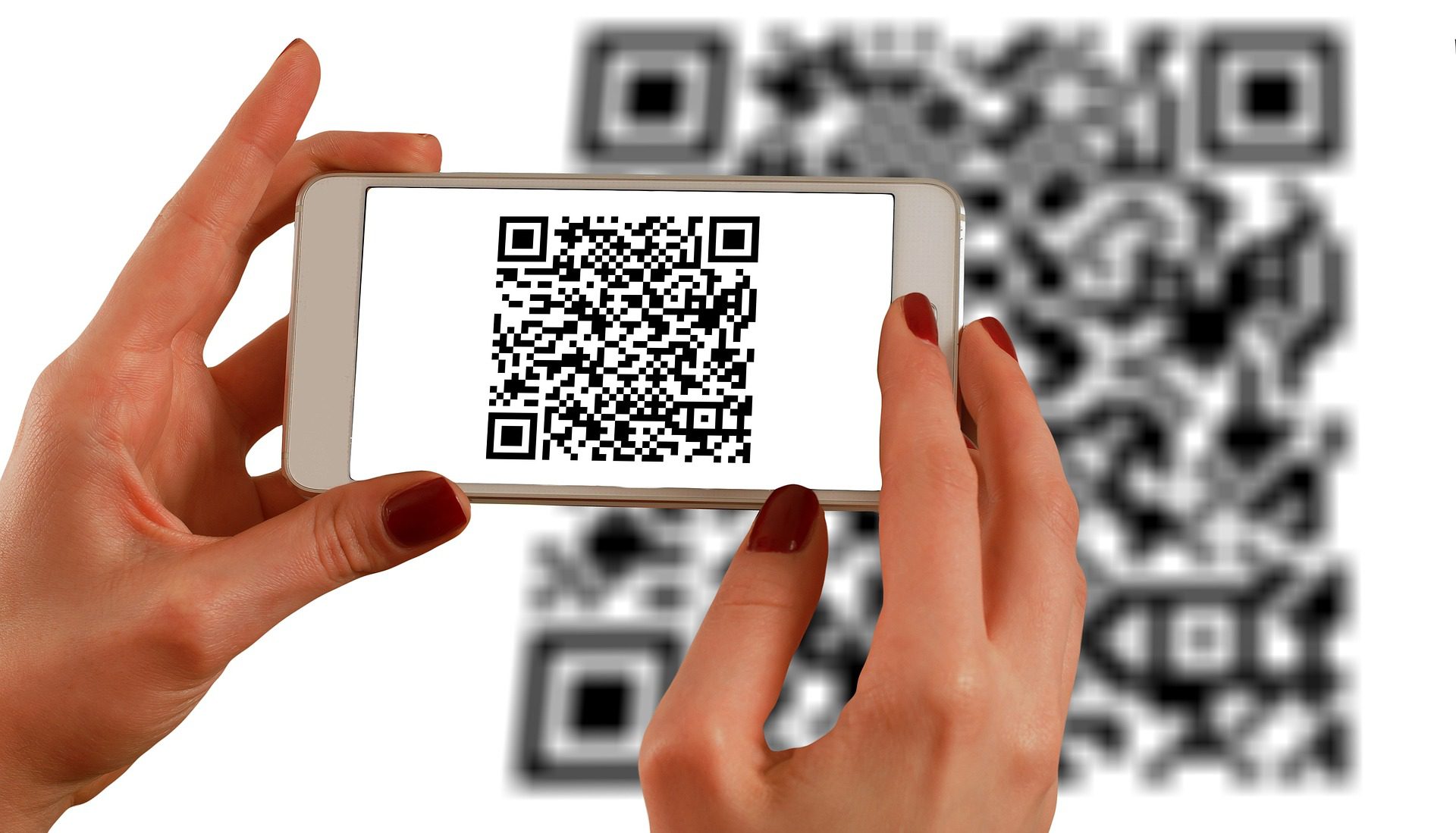
The Brazilian government is hoping to decrease the country’s dependency on cash and, at the same time, increase financial inclusion with the introduction of PIX. PIX is a new payment transfer system that relies on the consumer’s smartphone and QR codes to pay from goods and services – online and offline – pay bills, and for government services among other things.
All financial institutions with more than 500,000 accounts must participate in PIX with the hope that the unbanked will see the benefit and sign up. As note in a recent article in PaymentsNews (paywall):
Consumers will be able to choose PIX for e-commerce payment and as a P2P payment method, while businesses can use it to make payments to employees or freelancers. Additionally, merchants can deploy a QR code for its use at payment terminals or other displays.
Such an arrangement will spur competition in the Brazil payments space, unlike RTP and Zelle, which facilitate money movement between banks and bank accounts, Baker added.
Brazil’s central bank is looking to shake up the country’s banking landscape, particularly with the potential of the country’s estimated 45 million adults without bank accounts possibly being lured into using PIX and dropping reliance on cash.
With PIX is in good company. The use of QR codes had been popular in other parts of the world for several reasons as my colleague Brian Riley pointed out in his report QR Code Developments Might Disrupt the Disruptors, he point out:
A reason that central banks endorse the use of QR codes is that low-cost merchant acceptance helps identify untaxed sellers. Cash economies, from Mexico to Vietnam, have a problem of merchants failing to report income to tax authorities. Taxing authorities lose the opportunity to generate revenue, and there is no visibility on the consumer’s ability to spend.
On the other side of the transaction, central banks seek to increase the use of QR codes to encourage consumers to fund bank accounts. Globally, the World Bank estimates that 1.7 billion adults have no formal banking relationship. In India, where almost 100 million people over the age of 15 have no banking account, the Indian government’s overhaul of the banking system drove the usage of QR codes as a means of financial inclusion. Similarly, China, where more than 200 million lack a bank account, was a natural market for payment acceptance by means of QR codes.
If this goes as planned, the introduction of PIX can speed up the movement of money across Brazil much the way QR code based payments have in other countries.
Overview by Peter Reville, Director, Primary Research Services at Mercator Advisory Group