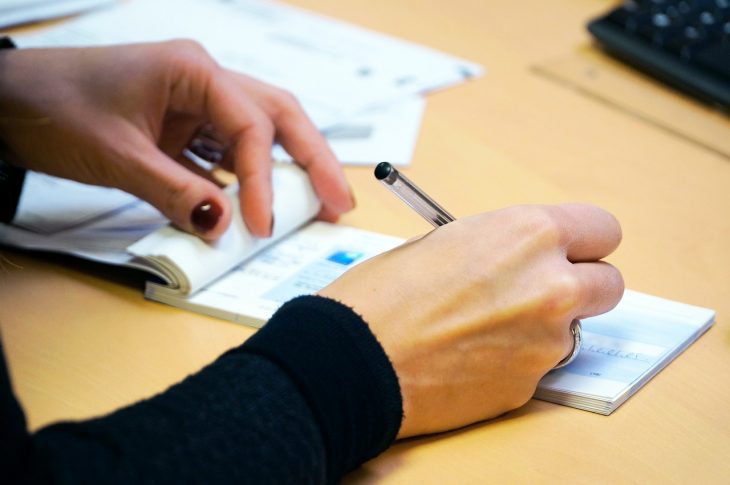
This author of this posting from Entrepreneur magazine discusses both pitfalls to mailing paper checks as well as some benefits to payers initiating electronic versions of checks (usually referred to as e-checks). The piece is of course directed towards very small businesses, which by and large continue to utilize check-based bank account payments as the staple for payables.
Small Business Week does a remarkable job of spotlighting the importance of small businesses, but it’s easy to overlook the routine aspects of being an entrepreneur. For many small business owners, checks remain the preferred method of payment. Even in our rapidly evolving digital economy, the latest data from the Association for Financial Professionals (AFP) shows that B2B payments by check increased between 2013 and 2016.
One thing the author references is the latest data from the 2016 AFP payments study, indicating an increase in the use of checks for business payments (2013-2015). We tend to think that the reference is perhaps somewhat imprecise but certainly the study at least pointed towards a slowing down of the previous decade’s annual 5-7% decline of checks. A more recent update from the Fed (2017 payments study annual supplement) indicates 2017 business check volumes heading downwards at about a 4% clip, which we think is the leading edge of a resumed 5-7% decline as we head towards paperless payments by 2025 or so.
Interestingly, the author does point out how mailing checks is process-heavy and expensive, for sure lending itself to additional fraud incidence. But it remains the mainstay process for many businesses, with a sliding scale effect (largest businesses use the fewest checks, proportionally, and smallest businesses use the most). Business payment check usage in the U.S. is by far the highest among any other developed economy. Generally speaking, this is the result of inertia; or ‘if it’s not broke, don’t fix it’. Given the relatively efficient Fed check clearing process established over a 75 year period, U.S. businesses wrapped payables and receivables processes around that machine. What most don’t realize is that now, almost all of the check processing and clearing is done through electronic images and not straight through the bank-Fed-bank paper. The author points out that small business owners can initiate e-checks easily, which saves money and reduces clearing time and risk.
Payers send email notifications to payees (one at a time or in batches, depending on payer’s preference). Payees click on a secure link in the email to access, download and print checks, along with related remittance information. Payees deposit the printed checks at their financial institutions like any other check…….In other words: it marries the benefits of checks, without any need to upend payment systems and processes, while eliminating the downsides of mailing them. Entrepreneurs can time disbursements to the last possible second, giving unprecedented control over cash flow. Digital delivery ensures improved security and eliminates checks getting lost in the mail. Sending payments and remittance together reduces reconciliation headaches.
So we agree that this is way better than mailing paper and a reasonable hybrid electronic payment, but continues to require the manual effort on both sides, particularly the supplier. To gain the full benefit of digital opportunities, however, all businesses should be seeking to convert payables (and receivables) to end-to-end automation.
Overview by Steve Murphy, Director, Commercial and Enterprise Payments Advisory Service at Mercator Advisory Group