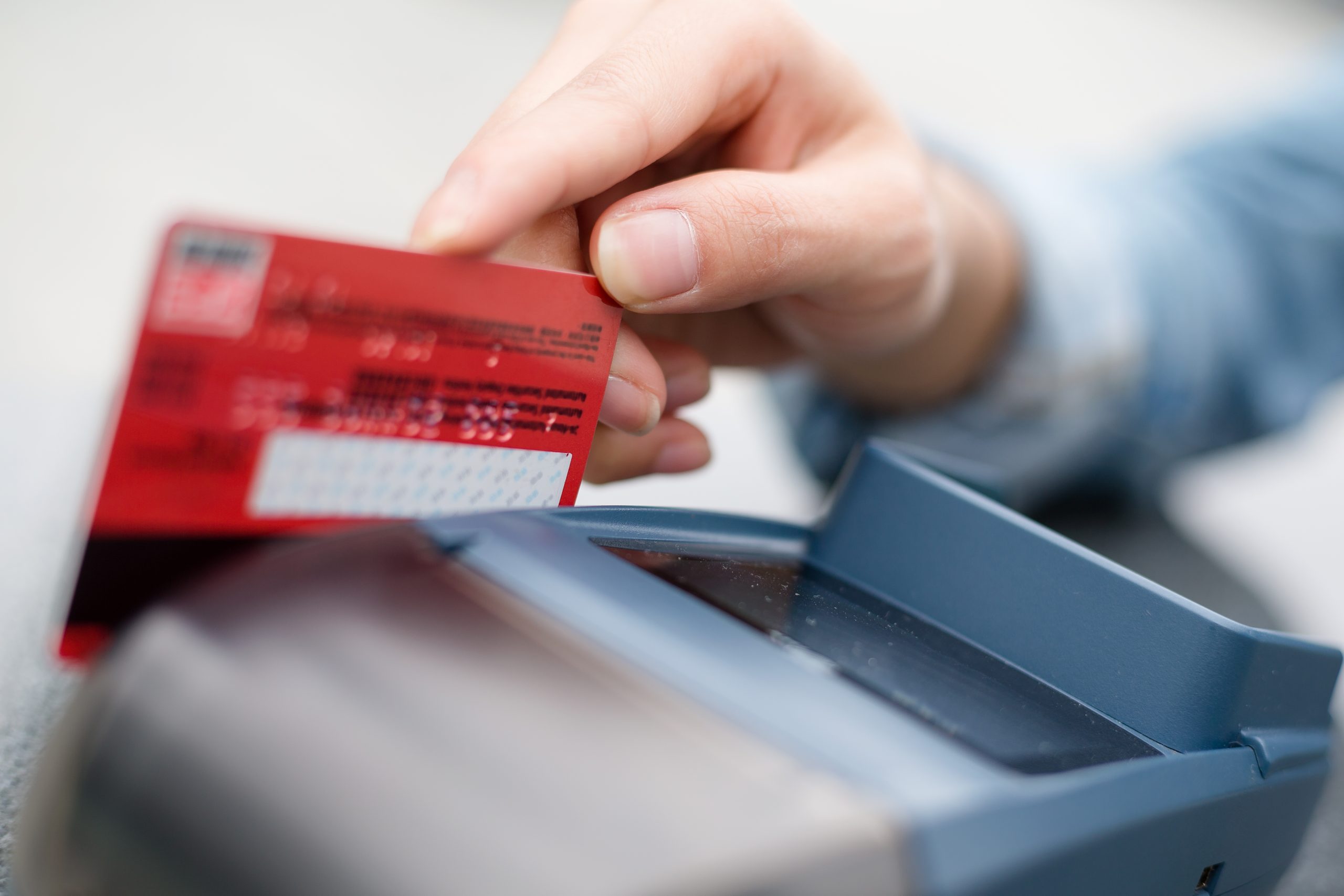
Card skimming has long been a concern for consumers and financial institutions alike. As technology advances, so do the tactics used by criminals to steal card information. Recently, card skimmers have become more sophisticated, making them harder to detect and increasing the risk for unsuspecting users. This growing threat highlights the need for heightened awareness and improved security measures.
The Evolution of Card Skimmers
Card skimming involves the unauthorized capture of data from a credit or debit card’s magnetic stripe. Traditionally, skimmers were bulky devices that could be easily spotted by vigilant consumers. However, today’s skimmers are smaller, more discreet, and often integrated seamlessly into payment terminals, making them almost impossible to detect with the naked eye.
Some of the advancements in card skimming technology include:
- Micro-sized skimmers: These devices are so small that they can be hidden inside card slots on ATMs, gas pumps, and point-of-sale terminals without altering the appearance of the machine.
- Bluetooth-enabled skimmers: Criminals can now retrieve stolen card data wirelessly from a distance, reducing the risk of being caught in the act of retrieving a physical device.
- Deep insert skimmers: These skimmers are inserted deep into the card reader, making them invisible to users. They capture data as the card is inserted or swiped, and can store large amounts of information.
- Overlay skimmers: These are placed over the original card reader or keypad, mimicking the look and feel of legitimate equipment while capturing data as the user inputs it.
Increased Threat to Consumers and Businesses
The sophistication of modern card skimmers presents a significant threat to both consumers and businesses. For consumers, the consequences of falling victim to a card skimmer can include unauthorized transactions, identity theft, and the lengthy process of recovering lost funds and securing compromised accounts. For businesses, particularly those that operate ATMs or point-of-sale terminals, a skimming incident can lead to reputational damage, financial loss, and potential legal liabilities.
Moreover, as skimmers become more advanced, the tools and techniques traditionally used to detect them are becoming less effective. For example, some skimmers are now designed to avoid detection by security measures such as anti-tampering devices or regular inspections by store staff. This evolution requires businesses to adopt more sophisticated security measures to protect their customers and their own operations.
Protective Measures Against Card Skimming
Given the increased risk posed by modern card skimmers, it is crucial for both consumers and businesses to take proactive steps to protect themselves. Some of the recommended measures include:
- Inspecting card readers: Before using a card reader, consumers should check for any signs of tampering, such as loose or misaligned parts. While not foolproof, this can help identify less sophisticated skimmers.
- Using secure payment methods: Whenever possible, consumers should use contactless payment methods like mobile wallets or EMV chip cards, which are less susceptible to skimming than magnetic stripe cards.
- Monitoring account activity: Regularly checking bank and credit card statements for unauthorized transactions can help detect fraud early and minimize its impact.
- Installing security enhancements: Businesses should consider installing advanced anti-skimming devices, such as encryption-enabled card readers, to protect against skimmers. Additionally, regular inspections and maintenance of payment terminals can help detect and remove skimmers before they cause harm.
- Educating employees and customers: Raising awareness about the risks of card skimming and how to spot potential skimmers can empower both employees and customers to act as a first line of defense.
The Path Forward
As card skimming tactics continue to evolve, so too must the strategies used to combat them. For consumers, staying informed and vigilant is key to protecting their financial information. For businesses, investing in advanced security measures and regularly updating their practices is essential to safeguarding their operations and customer trust.
The increasing sophistication of card skimmers underscores the need for ongoing innovation in payment security. By staying ahead of these threats, the industry can better protect against fraud and ensure a safer environment for all users of payment systems.