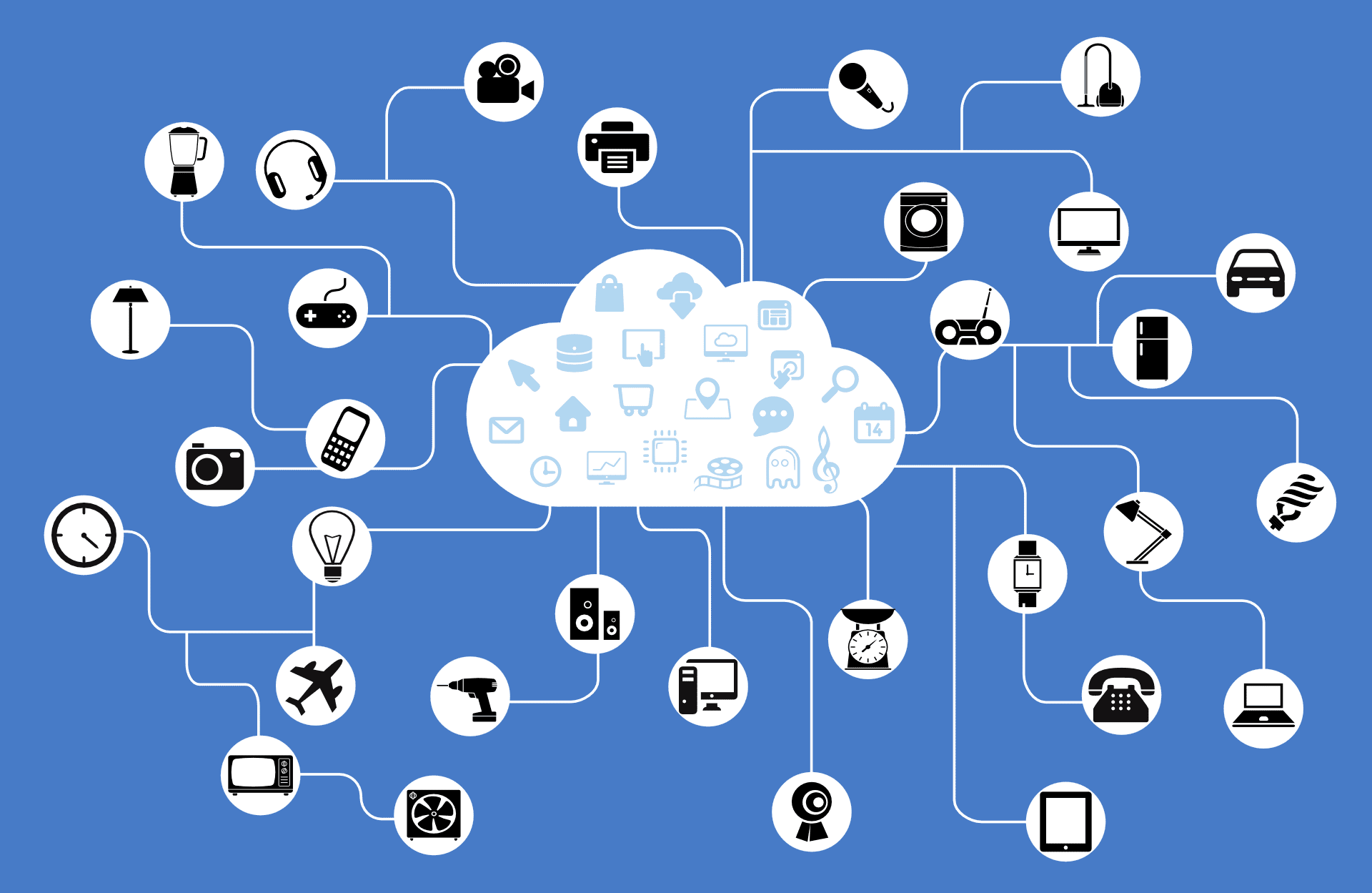
The Internet of Things (IoT) is rapidly transforming industries by connecting devices and enabling data-driven decision-making. For banks, IoT presents a unique opportunity to innovate, enhance customer experiences, and streamline operations. By leveraging IoT, banks can stay ahead of the curve and offer more personalized, secure, and efficient services in an increasingly connected world.
Understanding IoT in the Banking Sector
IoT refers to the network of physical devices—ranging from smartphones to home appliances—that are connected to the internet, collecting and sharing data. In the banking sector, IoT can be utilized to gather real-time information, automate processes, and create more responsive and personalized services.
Key Areas Where Banks Can Benefit from IoT
- Enhanced Customer Experience:
- Personalized Services: IoT devices, such as smartwatches and connected cars, can provide banks with valuable data about their customers’ behaviors and preferences. By analyzing this data, banks can offer tailored financial products and services, such as personalized spending alerts or investment recommendations.
- Location-Based Offers: With IoT, banks can send location-based offers and notifications to customers. For example, when a customer approaches a partner retail store, they might receive a discount offer directly on their smartphone, enhancing the customer experience and driving engagement.
- Improved Security:
- Biometric Authentication: IoT devices equipped with biometric sensors, such as fingerprint scanners and facial recognition, can be used to enhance the security of banking transactions. These advanced authentication methods help prevent fraud and ensure that only authorized users can access sensitive financial information.
- Real-Time Fraud Detection: IoT can enable real-time monitoring of transactions through connected devices. If unusual activity is detected, such as a transaction made from an unfamiliar location, the bank can immediately alert the customer or temporarily freeze the account until the activity is verified.
- Streamlined Operations:
- Smart Branches: Banks can use IoT to create “smart branches” that automate routine tasks, such as cash withdrawals and deposits, through connected kiosks and ATMs. This reduces wait times and allows staff to focus on providing more personalized customer service.
- Asset Management: IoT can help banks monitor and manage physical assets, such as ATMs and security systems, more efficiently. By using connected sensors, banks can track the status of these assets in real time, ensuring they are functioning correctly and scheduling maintenance proactively.
- Innovative Financial Products:
- Usage-Based Insurance: IoT devices can collect data on how customers use their vehicles, homes, or other insured assets. Banks and financial institutions can use this data to offer usage-based insurance products, where premiums are adjusted based on real-time usage, offering customers more flexibility and value.
- Dynamic Pricing: With the help of IoT, banks can implement dynamic pricing models for loans and financial products, adjusting interest rates based on real-time risk assessments and customer behavior.
- Enhanced Data Analytics:
- Predictive Analytics: The data collected from IoT devices can be analyzed to predict customer behavior, such as identifying when a customer might need a loan or is at risk of default. This allows banks to proactively offer financial products or interventions, improving customer satisfaction and reducing risk.
- Customer Insights: IoT enables banks to gain deeper insights into customer lifestyles and spending habits. By understanding these patterns, banks can create more relevant marketing campaigns and develop products that better meet the needs of their customers.
Challenges and Considerations
While IoT offers many opportunities for banks, it also presents several challenges:
- Data Privacy: The vast amounts of data generated by IoT devices raise significant privacy concerns. Banks must ensure they comply with data protection regulations and that customer data is securely stored and used ethically.
- Cybersecurity Risks: As more devices become connected, the potential for cyberattacks increases. Banks must invest in robust cybersecurity measures to protect their IoT networks and prevent breaches.
- Integration with Legacy Systems: Many banks still rely on legacy systems that may not be compatible with IoT technology. Integrating IoT with these systems can be complex and require significant investment.
The Future of IoT in Banking
The adoption of IoT in banking is still in its early stages, but the potential is immense. As technology continues to advance, banks that embrace IoT will be better positioned to offer innovative services, improve operational efficiency, and meet the evolving needs of their customers.
In the future, we can expect to see even more sophisticated uses of IoT in banking, from fully automated branches to AI-driven financial advice delivered through connected devices. The key to success will be the ability to leverage it effectively while addressing the associated challenges, ensuring that both the bank and its customers can fully benefit from this transformative technology.
In conclusion, IoT represents a significant opportunity for banks to enhance their services, improve security, and drive innovation. By strategically integrating it into their operations, banks can not only stay competitive in a rapidly changing financial landscape but also set new standards for customer service and operational efficiency.