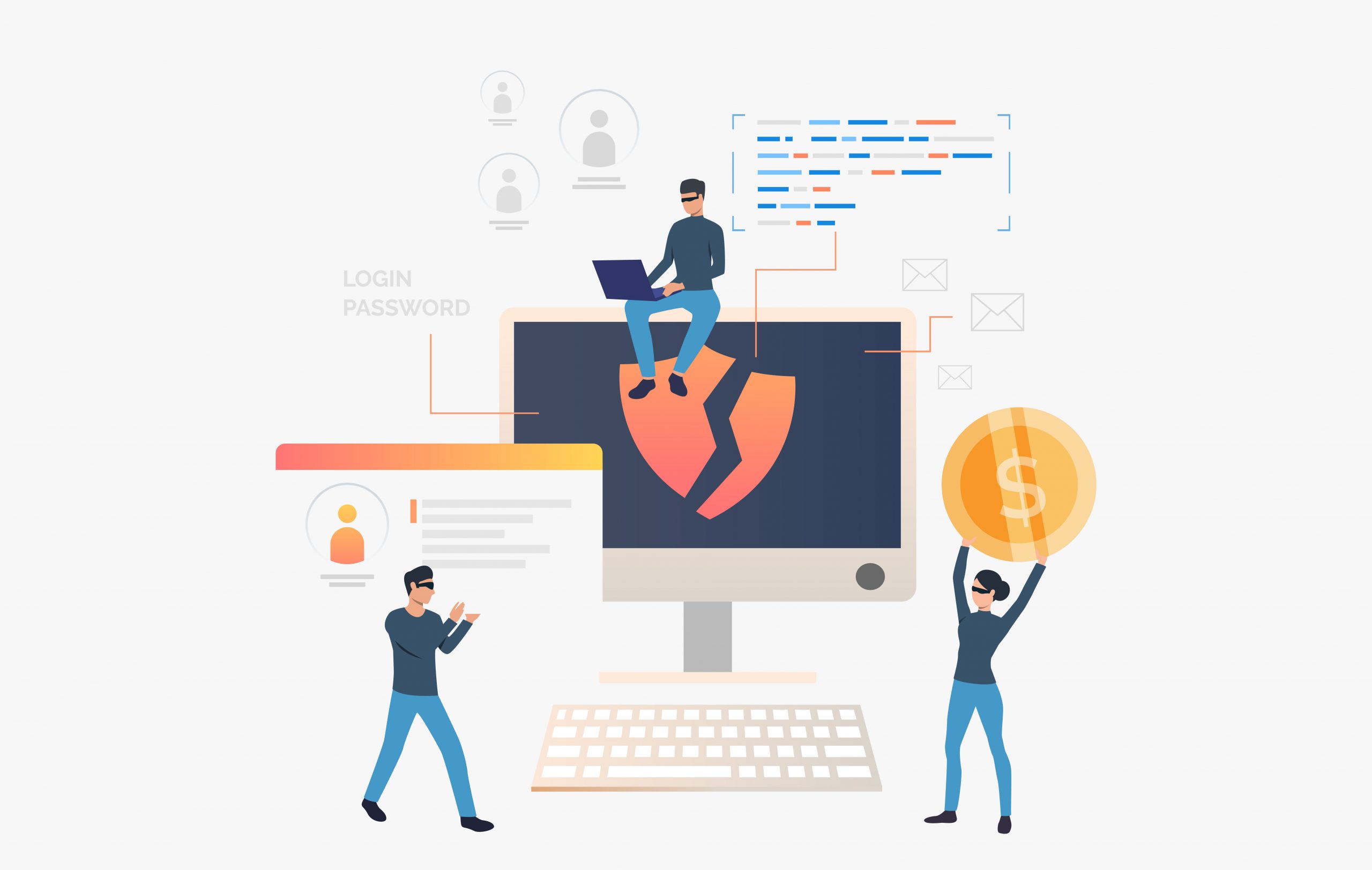
One of merchants’ biggest fears is having their point-of-sale system hacked and their customers’ credit card data stolen. Data breaches, which often lead to credit card fraud for the consumer, cost companies an enormous amount of time and money to not only solve the issue, but to also manage the company’s reputation. In fact, IBM recently found that the average cost of a company’s data breach is $4.24M.
No merchant is exempt from possible attacks. Retailers like The Home Depot, TJX Companies and Sears have had the largest credit card data breaches in the U.S. It’s a frightening scenario that unfortunately, happens quite frequently in every industry.
With so much risk for data breaches and fraud, it’s easy to understand why payments security is a crucial and necessary part of any business. So, what are the foolproof ways merchants can make payments secure and protect cardholder data?
Payments tokenization enhances the security of data
Tokenization is a powerful and flexible technology that protects cardholder data and merchants’ payments systems. It gives merchants access to customer information and payment activity without compromising security.
The process involves switching out sensitive payment information with randomized data that has no intrinsic value, and storing the original information that has been transposed within a secure vault. Vaulting, as part of a tokenization scheme, makes it possible to securely store customer card information both online and in stores. That way, whenever a customer uses their credit card, whether offline or online, the system doesn’t store the credit card number itself in the merchant’s system. Instead, tokenization replaces the credit card number with encrypted data that is impossible to decipher.
Tokenization is available in several flexible formats, including:
- Transaction-based: Providing a unique token per each transaction.
- Card-based: Generating a unique token per payment card.
- Format-preserving: Using tokens that have the same first six digits and last four digits as the regular data.
- Numeric and alphanumeric card schemes: Linking payment networks with payment cards using letters, numerals or both.
With any of these tokenization formats, merchants will be able to stop hackers in their tracks with useless letters and numbers that hold no value. Furthermore, businesses can still have access to customer information and payments activity and use that secure data to increase customer loyalty and satisfaction.
Encryption protects your payments systems
In addition to tokenization, merchants can take advantage of encryption to comply with various regulations that protect cardholders against theft. Encryption is a critical component of any secure payments infrastructure, protecting the information between the encryption process and the decryption process.
Depending on each businesses’ unique requirements, encryption can be utilized for every environment to fully secure sensitive customer data and prevent fraud. Whether it’s end-to-end encryption (E2EE), point-to-point encryption (P2PE) or Validated P2PE, there are a number of different methodologies to utilize the technology in the payments industry, including:
- Encryption of “at rest” data in a database, backup or other repository;
- Encryption of the transport means of data such Transaction Layer Socket (TLS);
- Encryption of the data or payload that is to be transported from one device to another or one system to another.
Encryption technology can also provide benefits beyond protecting data. It reduces PCI scope, especially when using PCI validated point-to-point encryption (PCI-P2PE). This means that the encryption is hardware-based using an approved PTS device and software that restricts access to PAN/sad information. It can also monitor breaches and send notifications to give merchants peace of mind about their data environment.
Quickly and easily protect your payments systems
The good news is that there’s been a 24% decline in reported data breaches in the first half of 2021. However, this doesn’t mean that merchants can relax on payments security. Cybercriminals will continue to find ways to steal information. As a result, it’s just as important for merchants to foolproof their business to avoid data compromises.
Tokenization and encryption are two effective ways businesses can secure sensitive data and protect consumers both now and in the future. They allow companies to protect their reputation, ease the minds of shoppers and provide end-to-end security between the merchant and service provider. These are must-have solutions to win against hackers.
With the right security measurements in place, merchants can rest assured knowing that they’ve minimized the risk of data breaches and can focus on what really matters.