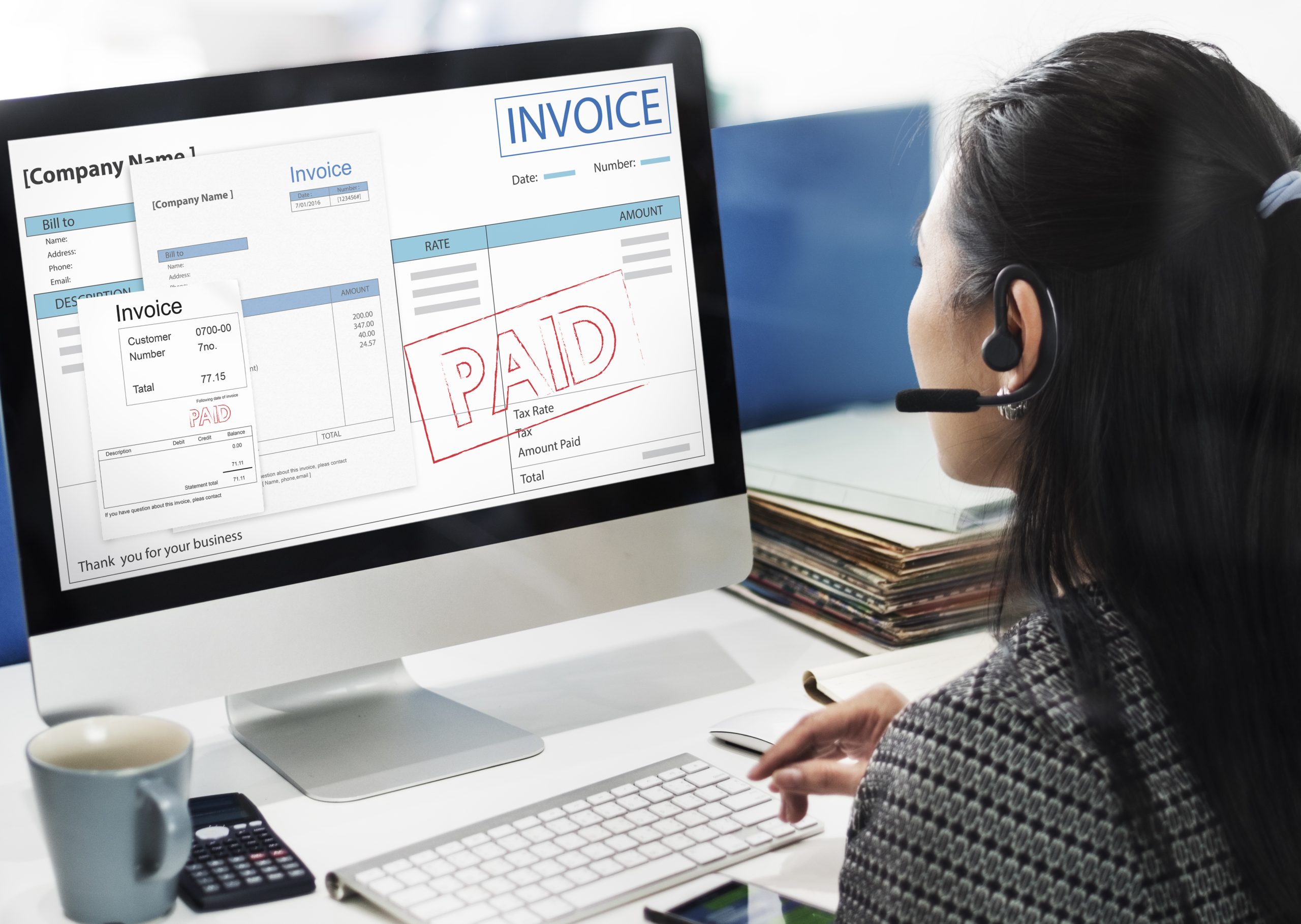
At many companies, manual processes still dominate in accounts payable. But, despite the wide availability of software and tools that make invoice processing and payments much simpler and more efficient, digital transformation has been slow to come to the average business.
Today, it is easier than ever for accounting departments to streamline and automate accounts payable. And one of the easiest ways to do so is with straight-through processing (STP) – end-to-end automation of invoice processing workflows that reduces the time and the cost of dealing with invoice payments.
STP reduces time and costs
The time spent on processing invoices manually significantly increases business costs. According to one estimate, the average cost of manually processing an invoice for payment is over $12 and nearly double if there is no associated purchase order.
And this cost is only for getting the invoice approved for payment. Payment costs themselves can also be substantial, with the price of manually cutting a paper check being almost double that of making electronic payments.
STP reduces costs drastically, in many cases to only a few dollars per invoice. Considering the substantial cut in expenses, it would make sense to replace time-consuming and expensive manual tasks with more efficient and cost-effective STP. And while 7 out of 10 customers report favoring a credit card exclusively for making their online payments, less than 20% of businesses have fully automated invoice processing systems and workflows in place.
STP frees employees to be relationship managers
Ask accounts payable personnel why they are resistant to automation, and you get a standard mantra – no one wants to be replaced by software. Employees think they have a vested interest in protecting manual processes because it protects their jobs. But business owners should sell AP automation by showing employees how it can make their jobs better instead of redundant.
With STP tools and systems in place, employees can focus on more substantive, rewarding work rather than repetitive, tedious tasks like data entry. Now, AP clerks can spend their time building better relationships with vendors and their accounting departments. Better relationships can ease the resolution of invoice and payment disputes and perhaps even help get the business better pricing. So rather than being a pure cost center, now accounts payable shifts into profit generation by helping reduce overall costs for the organization.
Concerns about STP are overblown
Given the clear financial and efficiency benefits of STP, what’s the holdup with adoption? If you ask business owners why they have yet to automate accounts payable, you run across a fairly predictable set of objections that apply to almost every digital transformation effort:
- It’s too expensive to pay all the license and setup fees, especially for smaller businesses.
- It would put too much burden on my accounting department to move everything over to a new system.
- No one has the time or inclination to learn a new system.
- I don’t trust that my information and that of my vendors will be safe.
- If we automate everything, we won’t catch mistakes.
- I’ll lose control over payment timing.
These concerns, however, are illusory and stem from fundamental misunderstandings about the products in the market and misconceptions about the difficulties of onboarding.
Yes, it takes time and effort to implement a new AP system or tool on the front end. But given that businesses can generate savings of up to 90% per invoice, the cost-benefit analysis is fairly straightforward and will quickly resolve in favor of automation.
Infrastructure costs will be minimal, as most platforms are now cloud-based. And ongoing license fees will be more than offset by increased efficiency savings.
Businesses should always be concerned about data security, but this should not be an obstacle to adopting STP. Today’s systems are built with security in mind. Just as payment processing tools come with security features such as PCI-DSS certification, STP tools allow you to build more robust and secure workflows that include data encryption, least access identity management policies, and more.
Automated processing tools also give you greater control over the entire workflow. For example, there is never a question of where a document is stored or at what stage of the payment process a given invoice is. And, as an added benefit, businesses can use the data from STP tools for data analytics to help further optimize invoice payment processes and even the supply chain.
Conclusion
Automation of accounts payable with straight-through processing is something businesses cannot afford to ignore. Not only can it substantially reduce the time and cost of invoice processing workflows, but it puts accounts payable employees in a position to truly help manage business costs. It’s a win-win for all involved.