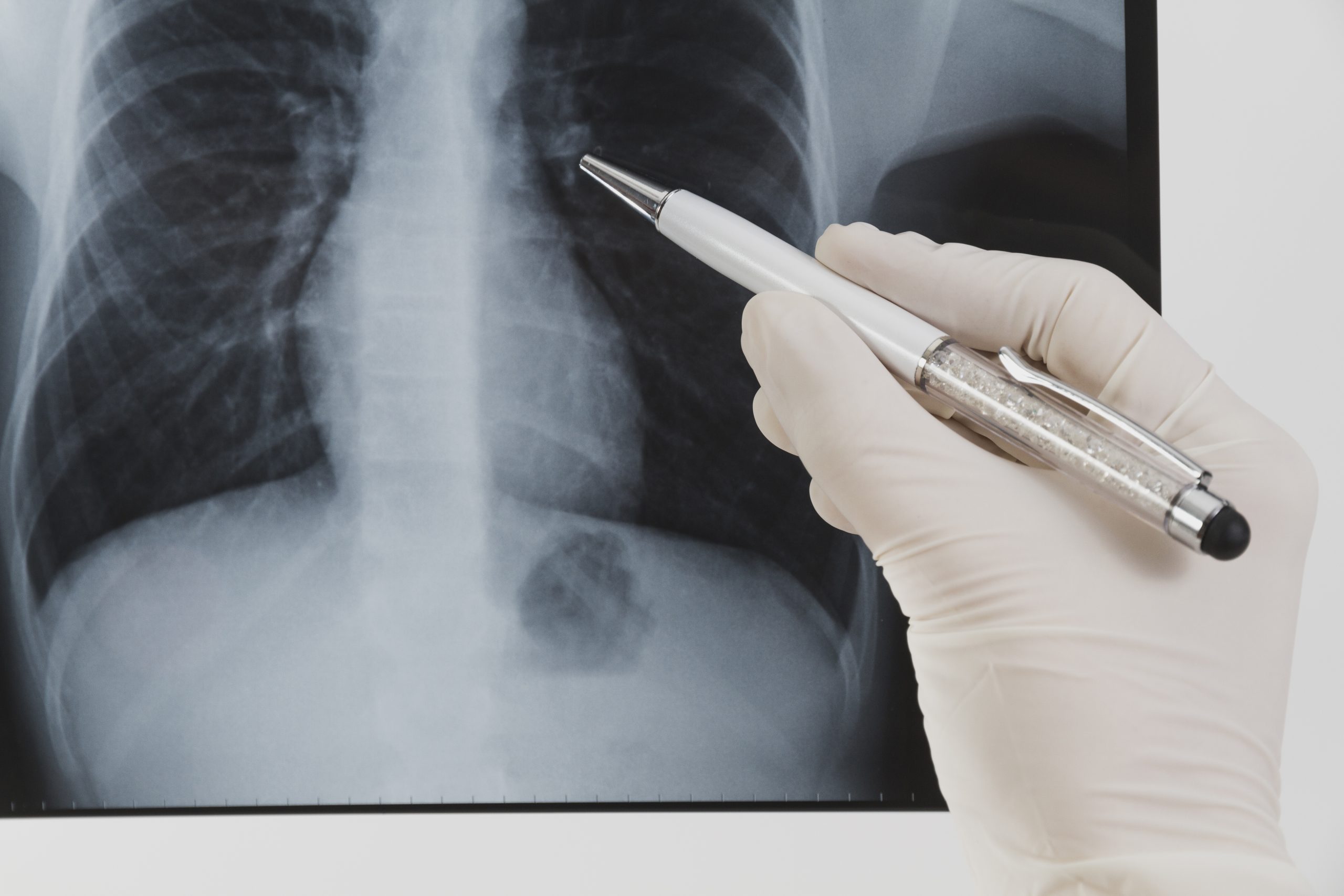
Plato said necessity is the mother of invention and during this pandemic there has been an overwhelming amount of necessity. This article in MIT Technology Review describes how doctors that were reluctant to utilize AI as a diagnostic tool became somewhat reliant on the tool to manage triage because traditional tests for COVID-19 were lacking. Equally interesting it indicates that once the benefit of AI diagnostics became apparent AI started to be evaluated for how it might help fill the gap as more and more doctors and nurses become sick:
“Pierre Durand, a physician and radiologist based in France, experienced the same difficulty when he cofounded the teleradiology firm Vizyon in 2018. The company operates as a middleman: it licenses software from firms like Qure.ai and a Seoul-based startup called Lunit and offers the package of options to hospitals. Before the pandemic, however, it struggled to gain traction. “Customers were interested in the artificial-intelligence application for imaging,” Durand says, “but they could not find the right place for it in their clinical setup.”
The onset of covid-19 changed that. In France, as caseloads began to overwhelm the health-care system and the government failed to ramp up testing capacity, triaging patients via chest x-ray—though less accurate than a PCR diagnostic—became a fallback solution. Even for patients who could get genetic tests, results could take at least 12 hours and sometimes days to return—too long for a doctor to wait before deciding whether to isolate someone. By comparison, Vizyon’s system using Lunit’s software, for example, takes only 10 minutes to scan a patient and calculate a probability of infection. (Lunit says its own preliminary study found that the tool was comparable to a human radiologist in its risk analysis, but this research has not been published.) “When there are a lot of patients coming,” Durand says, “it’s really an attractive solution.”
Vizyon has since signed partnerships with two of the largest hospitals in the country and says it is in talks with hospitals in the Middle East and Africa. Qure.ai, meanwhile, has now expanded to Italy, the US, and Mexico on top of existing clients. Lunit is also now working with four new hospitals each in France, Italy, Mexico, and Portugal.
In addition to the speed of evaluation, Durand identifies something else that may have encouraged hospitals to adopt AI during the pandemic: they are thinking about how to prepare for the inevitable staff shortages that will arise after the crisis. Traumatic events like a pandemic are often followed by an exodus of doctors and nurses. ‘Some doctors may want to change their way of life,” he says. “What’s coming, we don’t know.’ ”
Overview by Tim Sloane, VP, Payments Innovation at Mercator Advisory Group
For the original article quoted in this coverage, please click here.