PaymentsJournal
No Result
View All Result
SIGN UP
  • Commercial
  • Credit
  • Debit
  • Digital Assets & Crypto
  • Digital Banking
  • Emerging Payments
  • Fraud & Security
  • Merchant
  • Prepaid
PaymentsJournal
  • Commercial
  • Credit
  • Debit
  • Digital Assets & Crypto
  • Digital Banking
  • Emerging Payments
  • Fraud & Security
  • Merchant
  • Prepaid
No Result
View All Result
PaymentsJournal
No Result
View All Result

India Weighs the Return of Debit Fees

By Tom Nawrocki
March 14, 2025
in Analysts Coverage, Debit
0
0
SHARES
0
VIEWS
Share on FacebookShare on TwitterShare on LinkedIn
prepaid cards, Strengthening India’s Banking System, Google Indian Payments

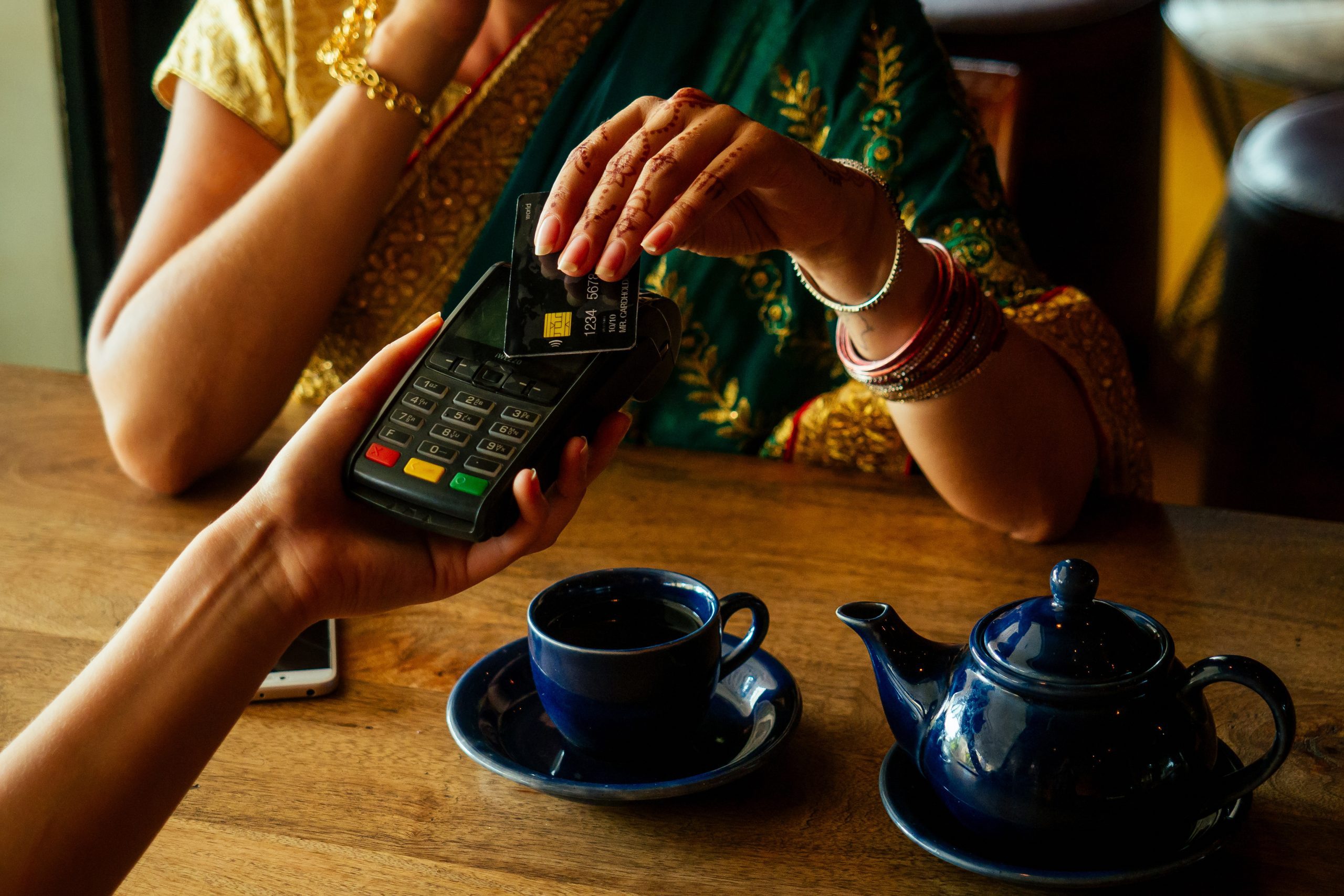
Young indian businesswoman in green traditional sari on a coffee break. Using payment terminal paying by credit card in a cafe restaurant.black friday sale

Three years after eliminating them, India’s government is considering reinstating merchant charges on UPI (Unified Payment Interface) and RuPay debit card transactions.

“A formal proposal to bring back MDR [merchant discount rate] on UPI payments for large merchants was sent to the Union government by the industry and now the concerned departments are considering it positively,” a senior banker told India’s Economic Times.

Currently, businesses in India do not incur any fees when customers use either type of payment. Before 2022, merchants were required to pay a MDR of less than 1% of the transaction amount to the processing bank.

A Bid to Boost Adoption

To encourage digital payments, the government removed these charges, which  boosted UPI adoption, making it the most widely used payment method in the nation. However, this also eliminated a key revenue stream for banks and payment service providers.

The Indian government now plans to introduce a tiered pricing system, where larger businesses will pay higher charges than smaller ones. Large businesses already pay MDR for credit card payments. According to India Today, major retail merchants handle more than 50% of their transactions through such cards.

The Government’s Role in Payments

The fact that UPI has become the most popular retail payment method in India lends credence to the argument that the waiver should no longer apply. Payment companies further contend that compliance costs have increased, and many businesses rely on the UPI fee to remain profitable.

This contrasts with the situation in the U.S., where many local governments have made moves toward curtailing interchange fees. One difference in India is that the national government has played a key role in developing and promoting the payments network.

“Indian banks argue that since merchants already pay a fee to accept credit cards, a similar fee should be applied to debit cards to end the cost to taxpayers of operating the debit networks,” said Don Apgar, Director of the Merchant Payments Practice at Javelin Strategy & Research. “This is an interesting parallel for U.S. businesses, whose trade group the National Retail Federation has long argued that debit card payments should be free to merchants since banks are not extending credit when consumers spend their own funds.

“Of course, this argument ignores the costs of operating the network and related settlement infrastructure,” he said. “Debit networks cannot operate for free and would require taxpayer subsidies if fees to merchants were eliminated.”


0
SHARES
0
VIEWS
Share on FacebookShare on TwitterShare on LinkedIn
Tags: Debit FeesIndiaRupaySwipe FeesUPI

    Get the Latest News and Insights Delivered Daily

    Subscribe to the PaymentsJournal Newsletter for exclusive insight and data from Javelin Strategy & Research analysts and industry professionals.

    Must Reads

    fraud disputes

    The Hidden Cost of Fraud Disputes Is Hitting Banks Hard

    May 13, 2026
    crypto payments

    Crypto Payments Are Ready for the Mainstream

    May 12, 2026
    payments, payment operations

    Staying Afloat as Payment Operations Rapidly Evolve

    May 11, 2026
    first-party fraud

    Inside the Growth of First-Party Fraud

    May 8, 2026
    fraud passkey, passkeys

    The Passkey You Can’t Steal: Why Hardware Beats Software for High-Stakes Authentication 

    May 7, 2026
    automotive collections

    Reducing Friction in Automotive Collections

    May 6, 2026
    payment cards as customer experience

    From Hygiene Factor to Hero Product: Why the Card Deserves a Second Look

    May 5, 2026
    cobrand credit card

    Co-Branded Credit Cards Still Hold Promise for Smaller Issuers

    May 4, 2026

    Linkedin-in X-twitter
    • Commercial
    • Credit
    • Debit
    • Digital Assets & Crypto
    • Digital Banking
    • Commercial
    • Credit
    • Debit
    • Digital Assets & Crypto
    • Digital Banking
    • Emerging Payments
    • Fraud & Security
    • Merchant
    • Prepaid
    • Emerging Payments
    • Fraud & Security
    • Merchant
    • Prepaid
    • About Us
    • Advertise With Us
    • Sign Up for Our Newsletter
    • About Us
    • Advertise With Us
    • Sign Up for Our Newsletter

    ©2026 PaymentsJournal.com |  Terms of Use | Privacy Policy

    • Commercial Payments
    • Credit
    • Debit
    • Digital Assets & Crypto
    • Emerging Payments
    • Fraud & Security
    • Merchant
    • Prepaid
    No Result
    View All Result