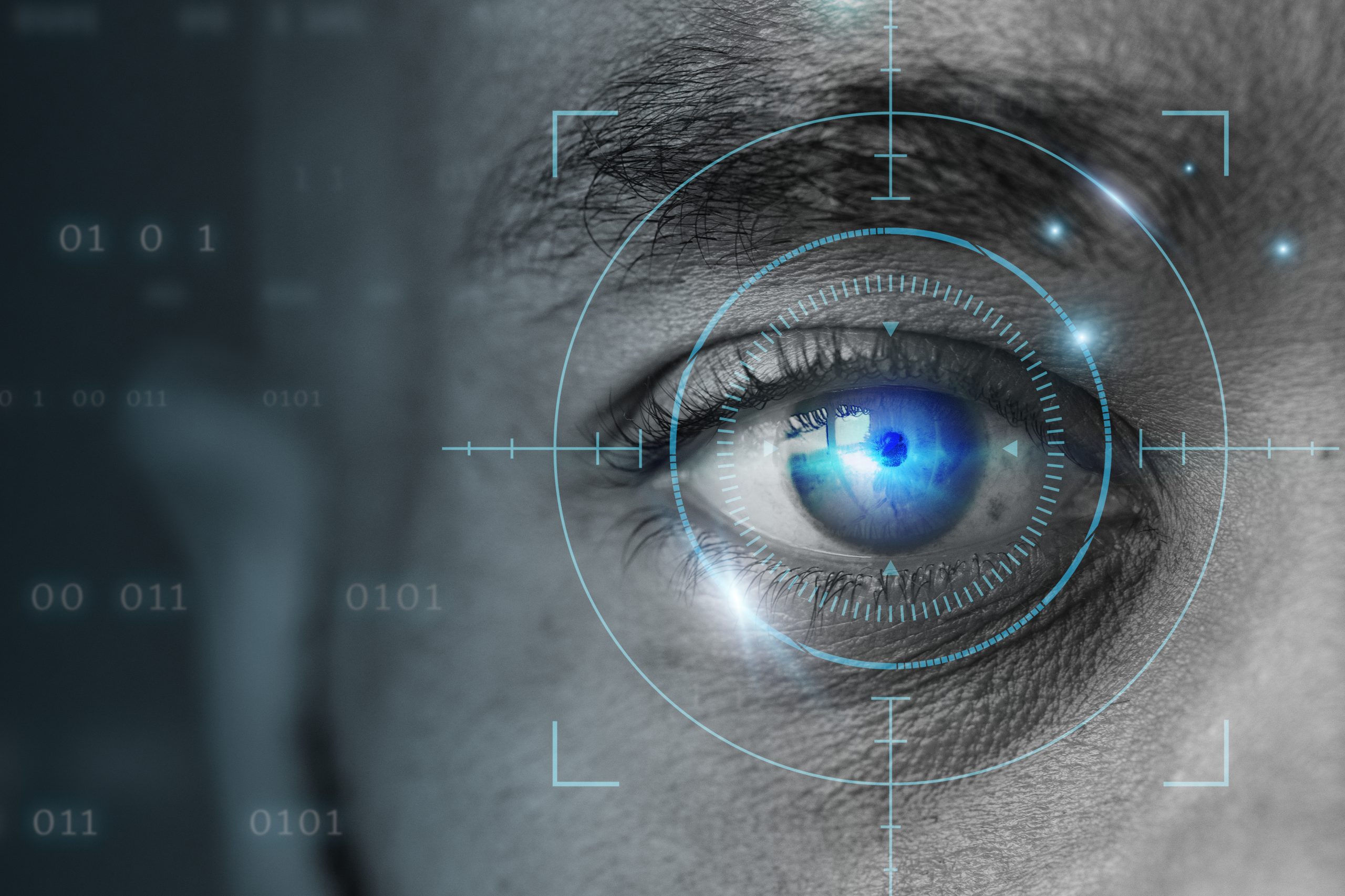
Facial recognition technology has rapidly moved from the realm of science fiction to everyday reality, finding applications in everything from security systems to smartphone authentication. As its use becomes more widespread, important questions arise: Is facial recognition truly fit for purpose? Can it deliver on its promises while addressing the concerns it raises? Understanding the capabilities and limitations of this technology is crucial as it becomes increasingly integrated into our daily lives.
The Promise of Facial Recognition
Facial recognition offers numerous potential benefits, particularly in the areas of security and convenience. Some of the key advantages include:
- Enhanced security: Facial recognition can be used to identify and verify individuals quickly and accurately, making it a powerful tool in security applications. From airport checkpoints to secure building access, the technology can enhance safety by preventing unauthorized access.
- Convenience: For consumers, facial recognition simplifies tasks like unlocking smartphones, making payments, and accessing accounts without the need for passwords or PINs. This ease of use is one of the primary drivers behind its adoption in consumer electronics.
- Law enforcement and public safety: Facial recognition is increasingly being used by law enforcement agencies to identify suspects, locate missing persons, and prevent crimes. Its ability to process large volumes of data quickly makes it a valuable tool in maintaining public safety.
Challenges and Concerns
Despite its potential, facial recognition technology also faces significant challenges and raises a number of concerns. These include:
- Accuracy and bias: One of the most pressing issues is the accuracy of facial recognition systems. Studies have shown that these systems can be less accurate when identifying individuals with darker skin tones, women, and younger people. This bias can lead to false positives or negatives, potentially resulting in wrongful identifications and eroding trust in the technology.
- Privacy implications: The widespread use of facial recognition raises serious privacy concerns. The ability to track individuals without their consent, combined with the collection and storage of biometric data, poses risks to personal privacy and civil liberties. There is growing debate over how this data should be used, stored, and protected, particularly in the absence of comprehensive regulations.
- Security risks: While facial recognition can enhance security, it is not immune to hacking or spoofing. Advanced methods, such as deepfakes or using photos to trick facial recognition systems, highlight vulnerabilities that need to be addressed to ensure the technology’s reliability.
- Ethical considerations: The deployment of facial recognition technology, particularly by governments and law enforcement, raises ethical questions about surveillance and the potential for abuse. The possibility of constant monitoring and tracking has led to concerns about the erosion of individual freedoms and the potential for a surveillance state.
Is Facial Recognition Ready for Widespread Adoption?
Given these challenges, the question of whether facial recognition is fit for purpose depends on how the technology is implemented and regulated. While it holds great promise, its effectiveness and ethical use require careful consideration and oversight.
To ensure that facial recognition is used responsibly, several measures can be taken:
- Improving accuracy: Ongoing research and development are needed to improve the accuracy of facial recognition systems, particularly in addressing biases. Companies and developers must prioritize fairness and inclusivity in their algorithms to reduce the risk of errors.
- Establishing clear regulations: Governments and regulatory bodies should establish clear guidelines for the use of facial recognition technology. This includes setting standards for data protection, consent, and transparency to safeguard individual rights and prevent misuse.
- Educating the public: Increasing public awareness about the capabilities and limitations of facial recognition is essential. Consumers and citizens should understand how the technology works, where it is being used, and what their rights are concerning its use.
- Ensuring ethical use: Organizations deploying facial recognition should adhere to ethical guidelines that prioritize privacy, transparency, and accountability. This includes conducting impact assessments to understand the potential effects on individuals and communities before implementation.
The Path Forward
Facial recognition technology is at a crossroads. While it offers significant benefits, its readiness for widespread adoption depends on addressing the challenges it presents. By improving accuracy, establishing robust regulations, and committing to ethical use, facial recognition can be developed in a way that aligns with societal values and expectations.
As this technology continues to evolve, ongoing dialogue among stakeholders—governments, tech companies, and the public—will be crucial in determining its role in the future. Whether facial recognition is truly fit for purpose will depend not only on the technology itself but also on how we choose to implement and govern it.