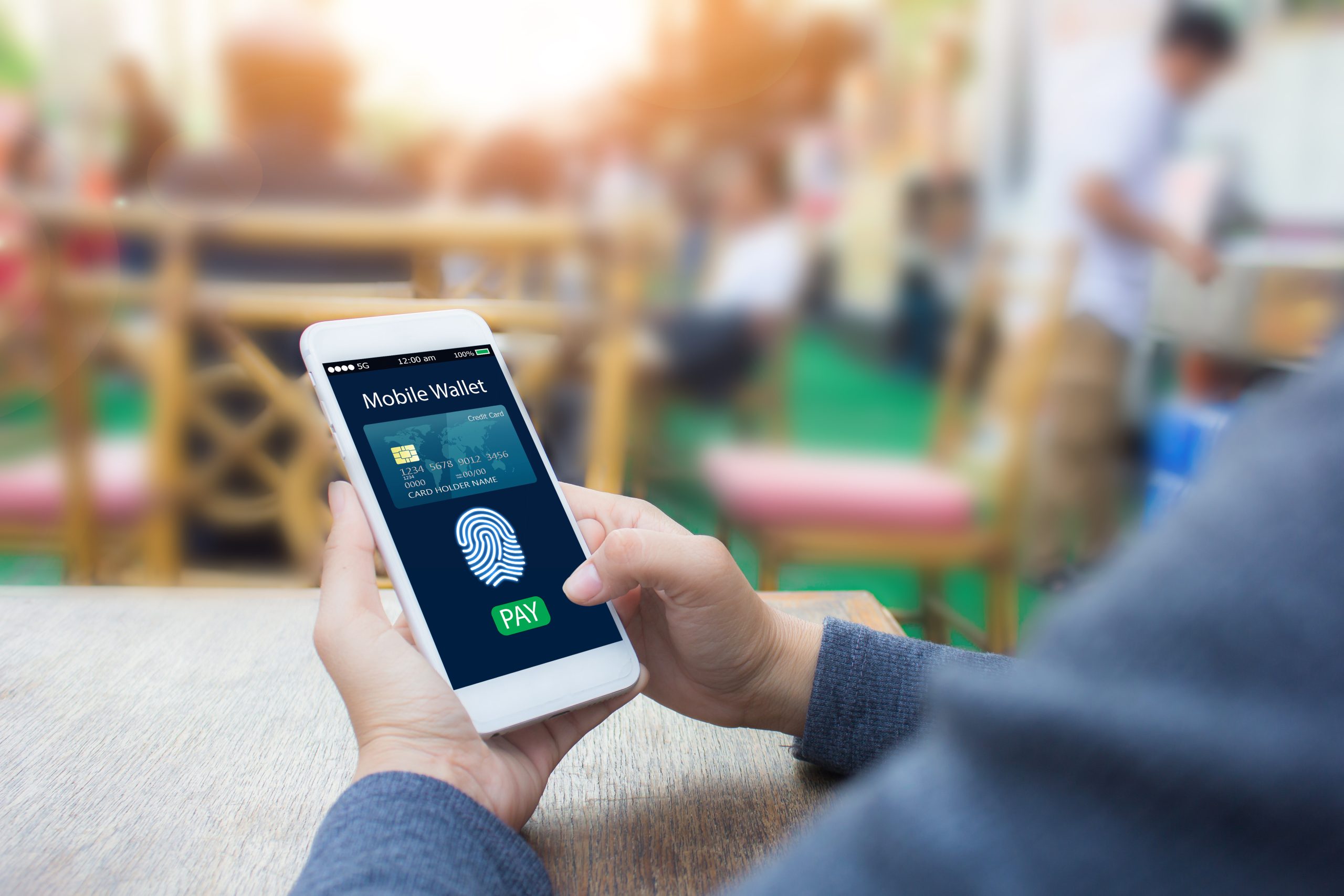
As consumer spending slows, e-commerce organizations need to optimize their customer journeys to encourage conversions. The checkout page is often a good place to start. Slow, complicated checkout processes have pushed at least a third of consumers to abandon online purchases within the past 12 months, according to our research. One quick remedy is the buy button, which lets customers speed through checkout with one tap or click.
The key is to implement the right buttons and to resist the urge to complicate the process. Here’s how to optimize one-click checkout for fewer cart abandonments and more orders.
Understand How and Why Buy Buttons Work
Buy buttons are fast because they’re connected to digital wallets that store the customer’s payment, billing, and delivery information. That means a customer who wants to buy something fast online only has to tap one button instead of filling in multiple data fields to give the business that information.
Saving just under a minute at checkout may not seem important in absolute terms, but a lot can happen in that extra 59 seconds. The customer might be interrupted by a co-worker, friend, or family member and forget to complete their order. They can change their mind at the last second. They could decide it’s too much of a bother to find their credit card and type in the number. In our research, we found that just 20% of consumers under age 55 have their credit cards on hand while they shop online.
The customer might also get impatient and decide to open their Amazon app and make a buy button purchase there. Speaking of Amazon, the company’s “buy now” button set the bar for the level of convenience consumers expect. Now more than ever, clearing that bar is critical. According to the latest Salesforce customer survey, 88% of customers agree that “the experience a company provides is as important as its products or services.” In 2020, 80% agreed.
Offer More than One Buy Button
If your checkout currently has no buy buttons, it’s best to start with one, so you can test the process and ensure that it works correctly for your customers. However, keep in mind that only customers who have digital wallets with the buy-button provider you choose will be able to use the option when they check out—and there are several popular digital wallet providers, including PayPal, Apple Pay, Google Pay, and Amazon Pay.
To give as many customers as possible the most convenient checkout experience, more retailers are adding multiple buy buttons to their checkout. In 2018, less than 20% offered more than one, but now more than 35% offer at least two and sometimes three or more buy buttons linked to different digital wallet brands.
Making matters simpler for customers, and a bit more complex for retailers, many buy now, pay later (BNPL) services now offer buy buttons. Adding a BNPL buy now button—often referred to in the space as an express button—gives budget-conscious customers a way to make purchases instantly and pay for them in installments. And like digital wallets, there are multiple BNPL brands offering this option. Focus on the ones that your customers prefer.
Keep It Simple
Allowing guest checkout is another way that retailers can streamline the checkout processIt seems logical that allowing guests to check out with buy buttons would offer even more convenience and build more customer loyalty, but it looks like a rising number of retailers are adding buy -button roadblocks to their guest checkout process.
The desire to collect customer data for marketing must be balanced against the risk that the customer won’t return—especially if they find the extra steps less convenient than a competitor’s checkout process. Collecting more information can also seem like a smart way to protect against chargebacks, especially because digital wallets shield customer payment data from websites, but there are better strategies for fraud prevention that don’t force the customer to spend more time checking out.
Adopt a Smarter Fraud Screening Strategy
Rather than adding friction for buy button users, which undermines the goal of buy button implementation, you can use AI-driven fraud algorithms to evaluate each order’s fraud risk. Those programs can draw on customer buying habits, device identity, email recency, and other behavioral indicators to assess order risk, even without having the customer enter their payment and address data. Above a certain score, orders can be referred for analyst review. This two-step process prevents fraudulent orders without rejecting good orders by mistake—an error that will drive away 40% of customers, according to our research. Expert review findings can go back into the AI program to make it smarter and more accurate over time.
Adding buy buttons helps customers have the shopping experience they want and cultivates their loyalty. Implementing buy buttons strategically and supporting them with smart anti-fraud layers can help retailers strengthen customer relationships even during challenging economic times.