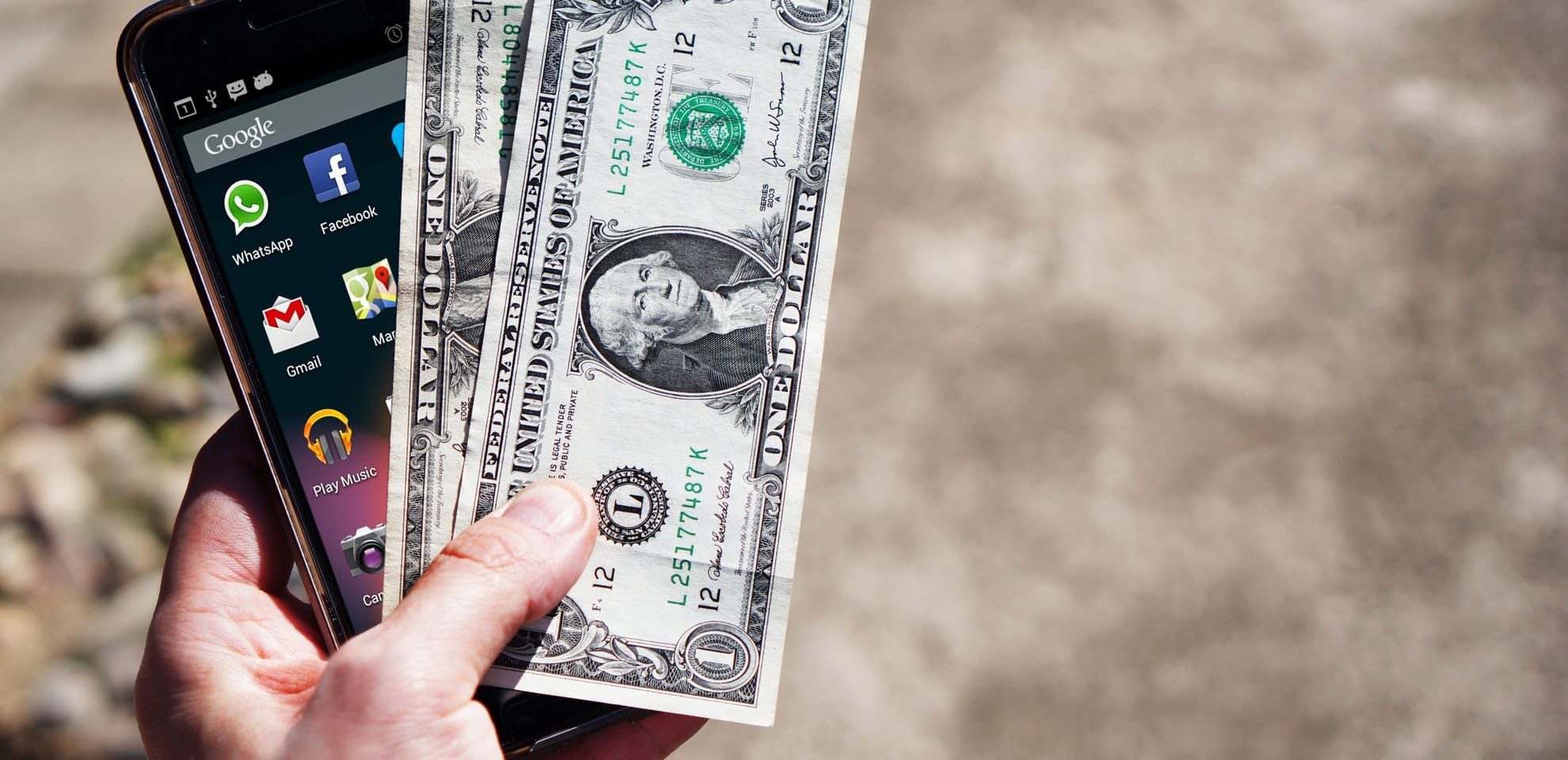
Making online purchases is extremely convenient. You can browse several websites, choose something to your liking, add it to a cart, pay, and voila– your precious item is almost on its way to your hands. However, there is one moment that might be problematic here, and this is the payment.
While processing payment online, you need to be very attentive not to become a victim of fishing or any other type of web fraud. Most websites use modern technologies to protect your sensitive information. However, even if you are acting wisely and use the most reputable resources, there is still a chance to lose your password and personal data. Let’s discuss some essential aspects to consider when buying things online.
Keep your PC safe from harmful malware
Update your browser and OS regularly to ensure that they are using the latest security measures. Some types of malware programs sneak right into your operating system or browser to steal your payment information. Track the weak points in your safety system, make updates, and use security optimizer to avoid this.
Make sure that the website connection is secure
First of all, look at the address bar. Mind that ordinary website connection uses http://. This protocol is enough to let you browse websites. At the same time, secure connection that protects your data uses https://. Pay special attention to this moment when you are headed to a payment page.
Get yourself an advanced antiviral program
Next, take care of an efficient anti-malware program. Protect your laptop, computer, mobile phone, tablet, and any device that has an Internet connection. When making an online payment, make sure that your malware protector is on. Also, always keep it updated because newly created malware programs are issued all the time, and your application must be able to detect them. Automatic updates are less efficient because transformed and new viruses are included in databases within specific periods. As such, you need to update yours manually.
Use trustworthy sites
Never pay directly to the shop or its owner. Every reputable site cooperates with one or another payment processor like PayPal, Stripe, Adyen, etc. They keep your information safe and protect you from suspicious transactions.
Pay from your personal computer only
Never pay for anything with the help of public computers. It is not safe to use the one located in your college library or an Internet café. Thieves can easily install stalking software or hardware on them and get access to your data. As a rule, they act smartly, and you cannot notice that something is wrong with this or that computer.
Use your credit card
Credit cards were created specifically for online payments, so use them when you need any service or item from the Internet. Some online tools help students study better, and you can use a credit card to pay for a subscription or benefit from the best free plagiarism checker, which is safer. Credit card processing companies save your card from being misused. You are recommended to set a payment limit, and a thief won’t be able to extend it. So if you will accidentally become a victim of one, at least you won’t lose all of your cash.
What is more, there is a chance that you will recover the stolen money if you contact a credit card provider on time and explain the situation. On the contrary, debit cards are connected to the bank account directly, don’t have any payment limits, and are hard to recover. This makes them risky to use online.
Come up with a strong password
If you take a look at any credit card basics, the very first rule you will see there is: never use a password that is easy to guess. Any common passwords, including your name or date of birth, won’t do! To create a secure password, use both numeric characters and letters in your password and make sure that it is longer than six symbols.
There are several points to sum up. First, never purchase anything from the internet shops that looks suspicious. Second, avoid any offers that seem too good to be true. Third, choose large and reputable companies only, but never rely on them entirely when it comes to payment security. Install and update your antivirus program, check the website connection for safety, make your password impossible to guess, and use your own devices only.
If you believe that your card information has been stolen, hurry up to contact your bank. Whenever you make online purchases, be attentive! Happy shopping!