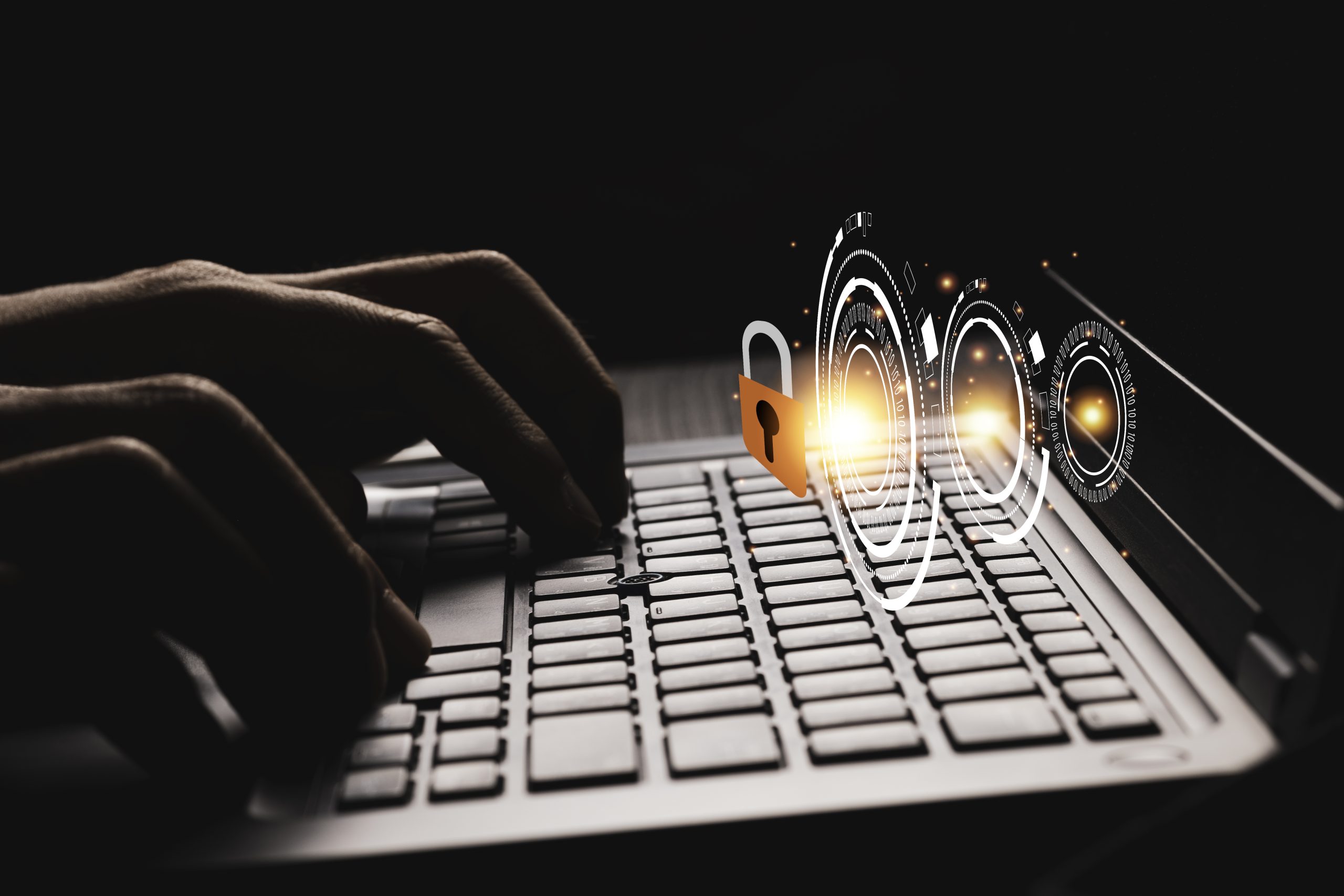
In a significant shift, tech firms are moving away from traditional passwords, introducing more secure and user-friendly authentication methods. Passwords, once the standard for online security, are increasingly seen as a weak link, vulnerable to hacking, phishing, and user error. As a result, companies are pioneering alternative methods that promise to enhance security while simplifying the user experience.
The Decline of the Password
Passwords have long been the primary means of securing online accounts, but their effectiveness has come under scrutiny. Weak, easily guessed passwords, the reuse of credentials across multiple sites, and the ever-growing sophistication of cyberattacks have exposed the limitations of this traditional approach. Users often struggle to remember complex passwords or resort to unsafe practices, such as writing them down or using the same password across multiple accounts.
New Authentication Methods
To address these challenges, tech firms are developing a range of alternatives designed to be more secure and convenient:
- Biometric Authentication: Technologies like fingerprint scanning, facial recognition, and voice recognition are becoming increasingly common. These methods rely on unique biological characteristics, making them much harder to replicate or steal than traditional passwords.
- Multi-Factor Authentication (MFA): MFA combines something you know (like a password) with something you have (like a smartphone) or something you are (like a fingerprint). This layered approach significantly increases security by requiring multiple forms of verification.
- Behavioral Biometrics: This technology analyzes patterns of user behavior, such as typing speed, mouse movements, or even the way a smartphone is held. By continuously monitoring these behaviors, systems can detect and respond to anomalies that may indicate unauthorized access.
- Token-Based Authentication: Tokens, either physical devices or software-generated, provide a unique code that must be entered in addition to a password. This method is often used for secure transactions and accessing sensitive data.
The Benefits of Moving Beyond Passwords
The shift away from passwords offers several key benefits:
- Enhanced Security: Password alternatives reduce the risk of unauthorized access by relying on factors that are more difficult for attackers to replicate. Biometric data, for example, is unique to each individual, making it a more secure form of authentication.
- Improved User Experience: Many of these new methods simplify the login process, eliminating the need to remember complex passwords. Biometric authentication, in particular, allows users to access accounts quickly and easily with a simple fingerprint or facial scan.
- Reduced Risk of Data Breaches: With passwords becoming obsolete, the chances of a data breach caused by weak or stolen credentials are significantly lower. This shift helps protect both users and organizations from the financial and reputational damage associated with breaches.
Challenges and Considerations
While the move away from passwords is a positive development, it also raises new challenges:
- Privacy Concerns: Biometric data is highly sensitive, and its use raises questions about privacy and data protection. Tech firms must ensure that this information is stored securely and used responsibly.
- Adoption and Compatibility: Not all devices or systems are currently equipped to handle these new authentication methods. Widespread adoption will require updates to existing infrastructure and consumer education.
The Future of Authentication
As tech firms continue to innovate, the reliance on passwords will likely continue to decline. The future of authentication lies in a combination of biometric data, multi-factor authentication, and other advanced technologies that offer both security and convenience. This shift represents a major step forward in the ongoing battle against cyber threats and identity theft.
Tech firms are delivering a major blow to the password, leading the charge towards more secure and user-friendly authentication methods. As these alternatives become more widespread, the days of relying on passwords alone may soon be a thing of the past.