PaymentsJournal
No Result
View All Result
SIGN UP
  • Commercial
  • Credit
  • Debit
  • Digital Assets & Crypto
  • Digital Banking
  • Emerging Payments
  • Fraud & Security
  • Merchant
  • Prepaid
PaymentsJournal
  • Commercial
  • Credit
  • Debit
  • Digital Assets & Crypto
  • Digital Banking
  • Emerging Payments
  • Fraud & Security
  • Merchant
  • Prepaid
No Result
View All Result
PaymentsJournal
No Result
View All Result

Wearable Tech, Self-Tracking, and the Potential for Gift Cards

By Ben Jackson
September 30, 2015
in Mercator Insights
0
0
SHARES
0
VIEWS
Share on FacebookShare on TwitterShare on LinkedIn
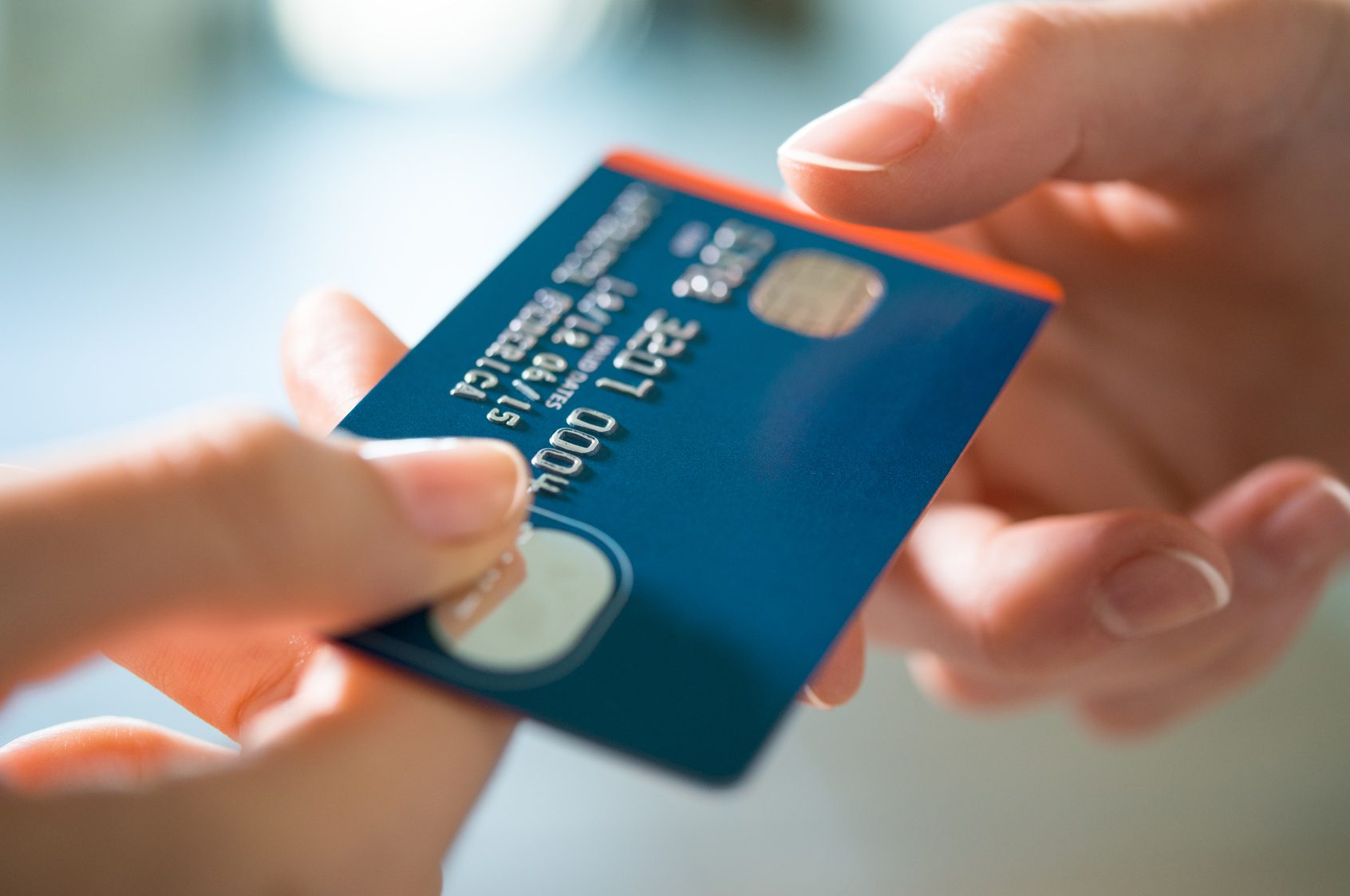
Closeup shot of a woman passing a payment credit card to the seller. Girl holding a credit card. Shallow depth of field with focus on the credit card.

Closeup shot of a woman passing a payment credit card to the seller. Girl holding a credit card. Shallow depth of field with focus on the credit card.

People have more ways to track themselves than ever before thanks to wearable tech devices that can record data like miles run, average heart rate, and hours spent sleeping. While some tests are being done to connect these wearable devices to payments, the real opportunity may come in connecting the data to payments made outside of the device’s immediate context.

Right now, the thinking is that there should be a contactless chip in a fitness band so that someone can buy a drink or snack while working out. But that doesn’t link the data to the payment; it simply adds another feature to the device. This got me to wondering whether or not the data could be made relevant to payments in some other way.

The idea that came to me was tying the data to the gear that athletes use. Runners are supposed to replace their shoes after so many miles. Imagine, then, that the app or wearable device tracks the miles on the shoes. It could then alert the user when it is time to buy new shoes.
I discovered that the Strava mobile app and website allow athletes to input information about their gear and keep track of gear life span. It keeps track of the age of equipment and the maintenance performed. The Nike Plus running app asks people what shoes they have run in although it does not track miles on any single pair of shoes.

These apps are a step in the right direction, but there is still an opportunity to connect these tools to payments. With enough data, an app could predict how soon a user will need to buy new athletic gear. It could also provide a tool to allow people to buy prepaid cards or gift cards for self-use so that they can save a little over time and budget money toward their hobbies.

Gift cards could play another role as well. People who have connected their apps to their social media accounts could easily connect a message for a birthday gift, for example, to their data. The messaging could be “Your runner friend only has a few more miles to go before needing new shoes. Buy a gift card today to help keep her running.” By adding on the ability for more than one person to contribute to a card, it becomes much easier to help someone buy the gear they need. A company like Nike might want to reward a particularly dedicated customer with a gift card based on performance as tracked through the app. With clever marketing and data tie-ins, the combination of data, social media, and gift cards could replace crowd funding for those athletes who are serious about a sport but not quite pros.


0
SHARES
0
VIEWS
Share on FacebookShare on TwitterShare on LinkedIn
Tags: Mobile PaymentsPrepaidSelf Service and Convenience

    Get the Latest News and Insights Delivered Daily

    Subscribe to the PaymentsJournal Newsletter for exclusive insight and data from Javelin Strategy & Research analysts and industry professionals.

    Must Reads

    ai financial

    Consumers Are Putting More Financial Decisions in AI’s Hands

    April 17, 2026
    cybersecurity frontier ai

    Cybersecurity Must Evolve as Frontier AI Fuels New Fraud Risks

    April 16, 2026
    isos thriving

    In Defiance of the Prognosticators, ISOs Are Thriving Again

    April 15, 2026
    agentic payments

    Beyond the Click: How Agentic Payments Are Redefining Global Financial Flow

    April 14, 2026
    instant payments fraud

    Instant, Irrevocable Payments Demand a Fraud Prevention Reboot

    April 13, 2026
    samsung p2p

    Making Zelle Work Better for Users—and Banks

    April 10, 2026
    fraud escalate

    As Fraud Escalates, Taking a Beat Becomes a Critical Defense

    April 9, 2026
    privacy open banking

    As Open Banking Fuels Interconnectivity, Privacy Matters More

    April 8, 2026

    Linkedin-in X-twitter
    • Commercial
    • Credit
    • Debit
    • Digital Assets & Crypto
    • Digital Banking
    • Commercial
    • Credit
    • Debit
    • Digital Assets & Crypto
    • Digital Banking
    • Emerging Payments
    • Fraud & Security
    • Merchant
    • Prepaid
    • Emerging Payments
    • Fraud & Security
    • Merchant
    • Prepaid
    • About Us
    • Advertise With Us
    • Sign Up for Our Newsletter
    • About Us
    • Advertise With Us
    • Sign Up for Our Newsletter

    ©2026 PaymentsJournal.com |  Terms of Use | Privacy Policy

    • Commercial Payments
    • Credit
    • Debit
    • Digital Assets & Crypto
    • Emerging Payments
    • Fraud & Security
    • Merchant
    • Prepaid
    No Result
    View All Result