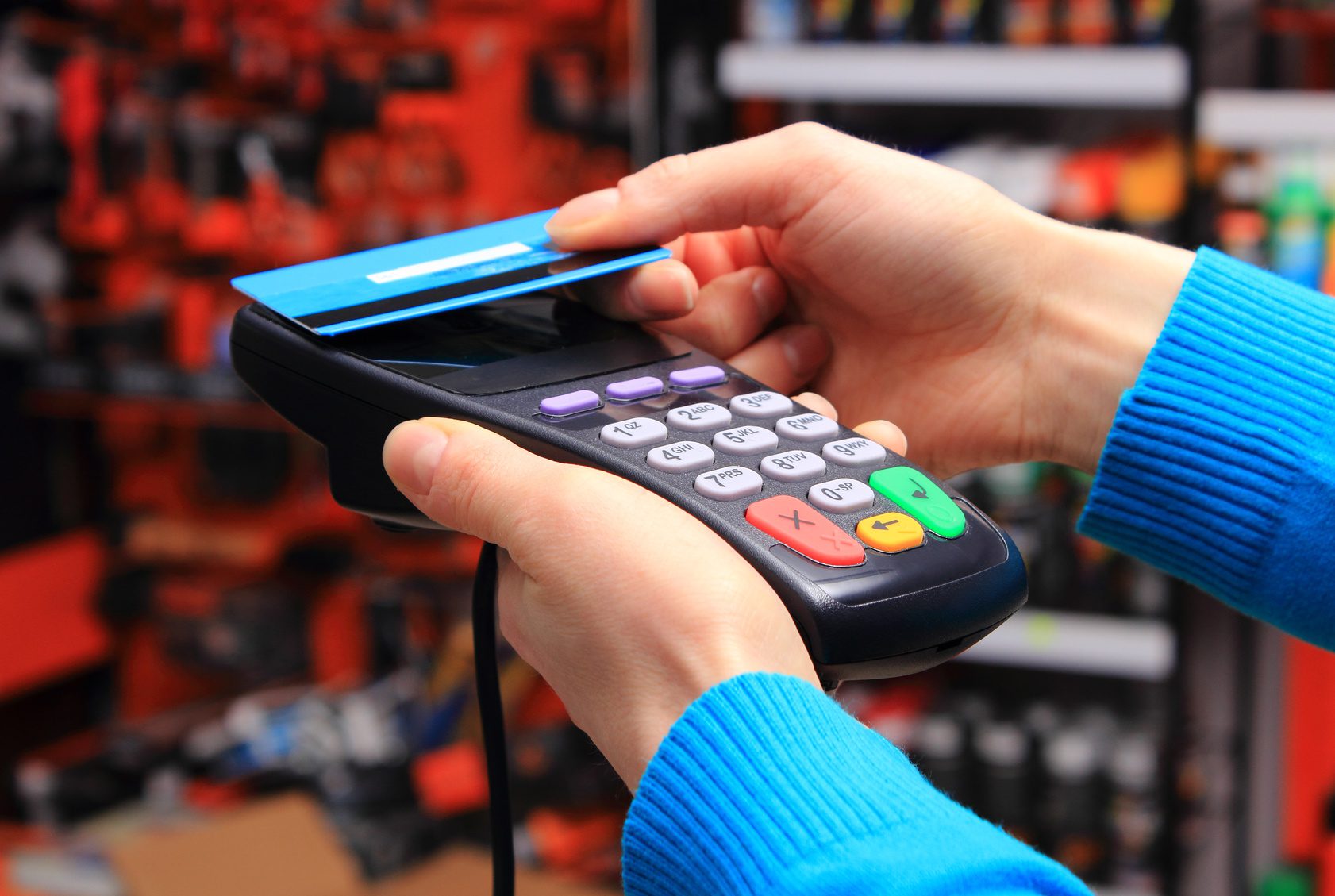
This article, which claims that startups will re-cast the payment card market, is difficult to read and relative to the US market likely to be wrong, but does make a few good points as it drives off the cliff. It starts with a view of the inroads contactless cards have made worldwide:
“Contactless card payments have been a resounding market success, and although the debut of mobile payments was expected to disrupt contactless card usage, it has, in fact, had little to no impact. According to its latest research, eMarketer expects that 13.2% of the global population will be using mobile payments by the end of 2018. By 2021, that proportion is expected to grow to 17.2%[i]. Considering there are 7.2 billion people on this planet, current forecasting hasn’t met the initial high-expectations for what was expected to be a rapid uptake of mobile payments.
In fact, the widespread popularity of contactless cards has stunted mobile payment adoption and as a direct result, only 1% of British consumers currently opt to use mobile payments for everyday purchases such as lunch or clothes, over a card or cash.”
So Mercator agrees that contactless cards have shown their worth in other countries and we feel they would be worth the incremental value to issuers here in the US as well, but interviews with US issuers suggests adoption here needs a much stronger proof of profitability and perhaps the combination of Faster EMV and the elimination of signatures makes existing EMV cards sufficient. Where this article goes terribly wrong is making the assumption that layering biometric technology on top of a contactless card is the next big thing:
“Security concerns are stated as the primary reason for low usage and adoption rates[ii].”
“Today the PayTech market is at a tipping point, being driven by customer demand and further fuelled by banking and financial institutions who are looking towards innovation and technology in order to differentiate from their competition. As a result, mobile payment technologies, such as biometrics, is being mirrored onto the physical card driven by the consumer’s understanding, comfort and familiarity of using biometric tech, paired with an ability to utilise existing POS infrastructure, to enable card portfolio differentiation and to future-proof security for Card Present (CP) transactions.”
“Traditionally vendors at the top of the payments value chain have been leading the innovation charge and this is true of past developments, including the move from static data authentication (SDA) to dynamic data authentication (DDA) and the introduction of contactless. However, the rise of the biometric payment card has provided a platform for smaller and more agile FinTech disruptors to take the mantel, creating big innovative waves up the supply chain. With the industry now being driven by consumer demand, smaller players are ideally positioned to react in an agile manner to address market expectations, able to deliver new advancements in the field for trials in a matter of months, as opposed to years.”
“Today, many ecosystem players at the component and sub-card assembly level are looking towards next-generation biometric payment cards to diversify and expand technology portfolios into new areas including energy harvesting, secure enrolment and flexible biometric sensors in order to draw out additional market value. In turn, this has encouraged increasingly healthy market competition with smaller more agile players demonstrating innovation can be driven and created lower down the value chain, not limited to large international conglomerates. By expanding the ecosystem, shifting influence, increasing partnerships and a more competitive environment has been created, which will ultimately benefit the whole market.”
While consumers do identify security concerns it is not clear they act on those concerns and more problematic is the fact that most issuers have refused to pay the extra cost associated with contactless cards and so are unlikely to pay for biometric cards that would further increase costs and likely need to be replaced more frequently.
Overview by Tim Sloane, VP, Payments Innovation at Mercator Advisory Group