One of the biggest challenges that IT professionals face today is the ever more urgent need for tight security. Services struggle to keep up with an increasingly globalized network of clients, customers, and stakeholders, and with this challenge comes a risk of data breach. With some very high profile data breaches in recent years, the public at large have legitimate concerns over how safe their information is online.
Hackers and data pirates target now target not only large corporations or businesses but also private individuals and small businesses. In fact, 31 percent of all targeted attacks are aimed at small businesses, who are not as well insured as the larger businesses. It’s wise, then, to take a good hard look at how we can approach the challenge of security when running a website.
You may have noticed in the past year that web services such as Google and Facebook are now utilizing technologies other than the simple password login. Increasingly, websites are turning to Multi-Factor Authentication to ensure their consumer’s data is well protected.
Here are a few reasons why.
Stronger Security
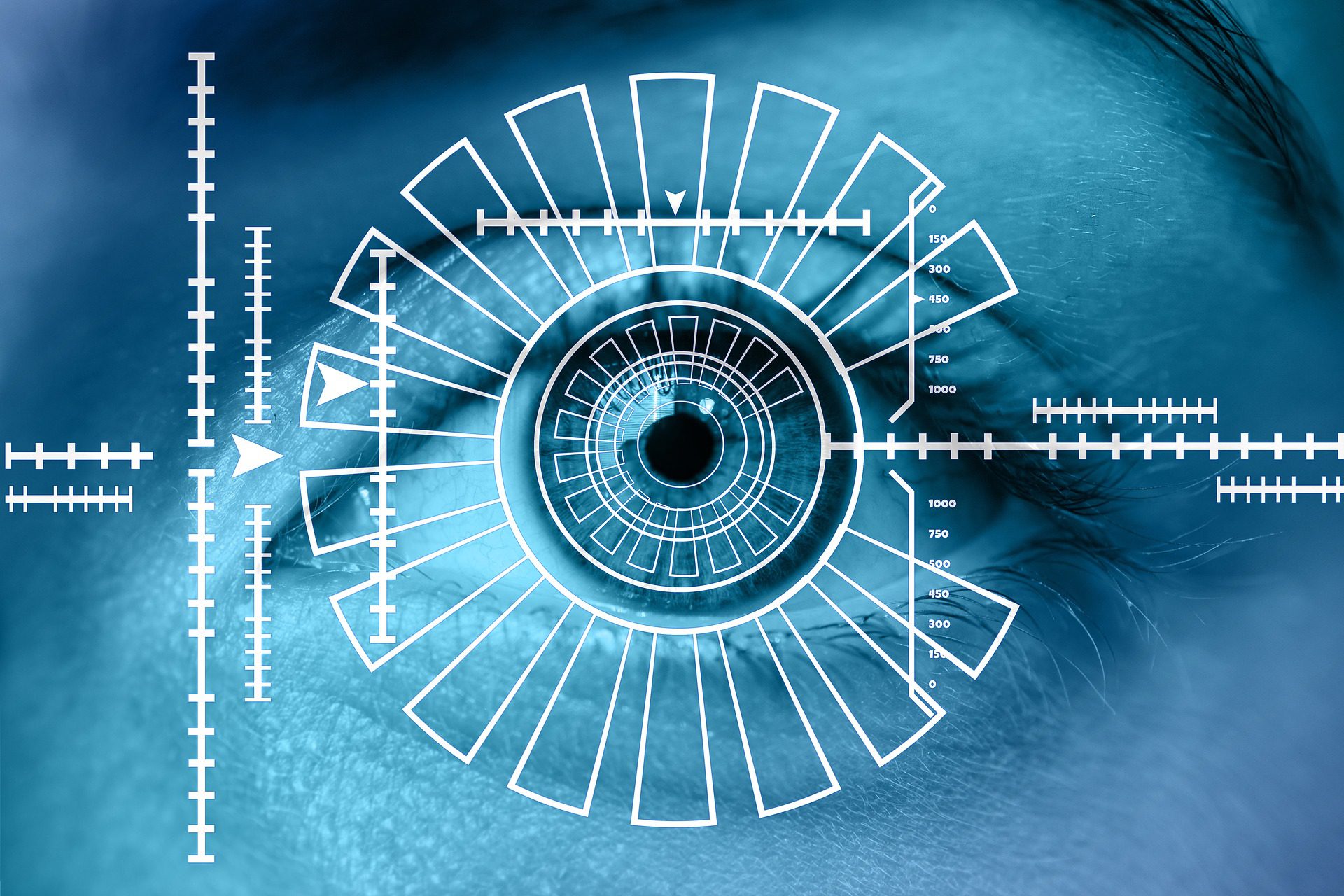
MFA is made up of three basic elements: the password, authentication through a mobile device, or personal identification, such as voice recognition or fingerprint technology. It boils down to one basic premise – authentication based on something only the user can provide.
“In the past, users have traditionally relied on passwords alone,” writes Benjamin D Stephenson, author at Academized and Revieweal,”But increasingly, as data becomes more widespread and hackers use more advanced AI, these passwords can be decrypted quite rapidly. Often this has left users wide open to attack, without ever even seeing it coming.”
To combat this breach, the data security industry has harnessed emerging technology to implement further steps to the login process. With increasing access to mobile technology, an integrated approach to logging in has taken place. In addition, as voice, facial and fingerprint recognition technology has advanced, so too have web technologies ability to identify the unique traits of a user.
Protection against malicious software
It is important to recognize not just your own websites need for a Multi-Factor approach to logging in, but also to actively promote it in the wider world. Much like organic viruses, a user who takes a laid back approach to their own cyber-security runs the risk of becoming a danger to the data they interact with.
“When a breach takes place and malicious software is installed, web security in general is compromised,” writes Carl Higginson, security content writer at Boomessays and UKWritings, “Anti-virus software and firewalls are very good at combatting malicious attacks, but when encryption is breached, this provides a backdoor for such attacks. Promoting good data practice carries the benefit of ‘herd immunity’ against virus software.”
Greater trust in websites providing MFA
Knowing the above, many web users are increasingly wary of web services that don’t utilize up-to-date security measures. Showing your users that you provide multi-factor authentication legitimizes your security protocols and promotes your business as a fortress against malware and data attacks.
The internet as a whole has become susceptible to destructive cybercriminals, who not only steal data but manipulate or destroy it, some even using it to promote hostile ideologies. For this reason, users look to authentication to validate trust in secure web services.
Ease of Use
Finally, for many users, passwords have been a bit of a pain. Remembering or refreshing passwords in ever more inventive ways has left a trail of passwords, which, if discovered by cybercriminals. can open up a user to attacks.
A Multi-Factor Authentication process, with the use of mobile and recognition technology, simplifies the process, allowing users access without tempting users to document their passwords.
Chloe Bennet is a business tutor at Assignment Help service. In addition to her hobbies of yoga and journaling, she writes about college life for TopCanadianWriters and Australianreviewer.com,