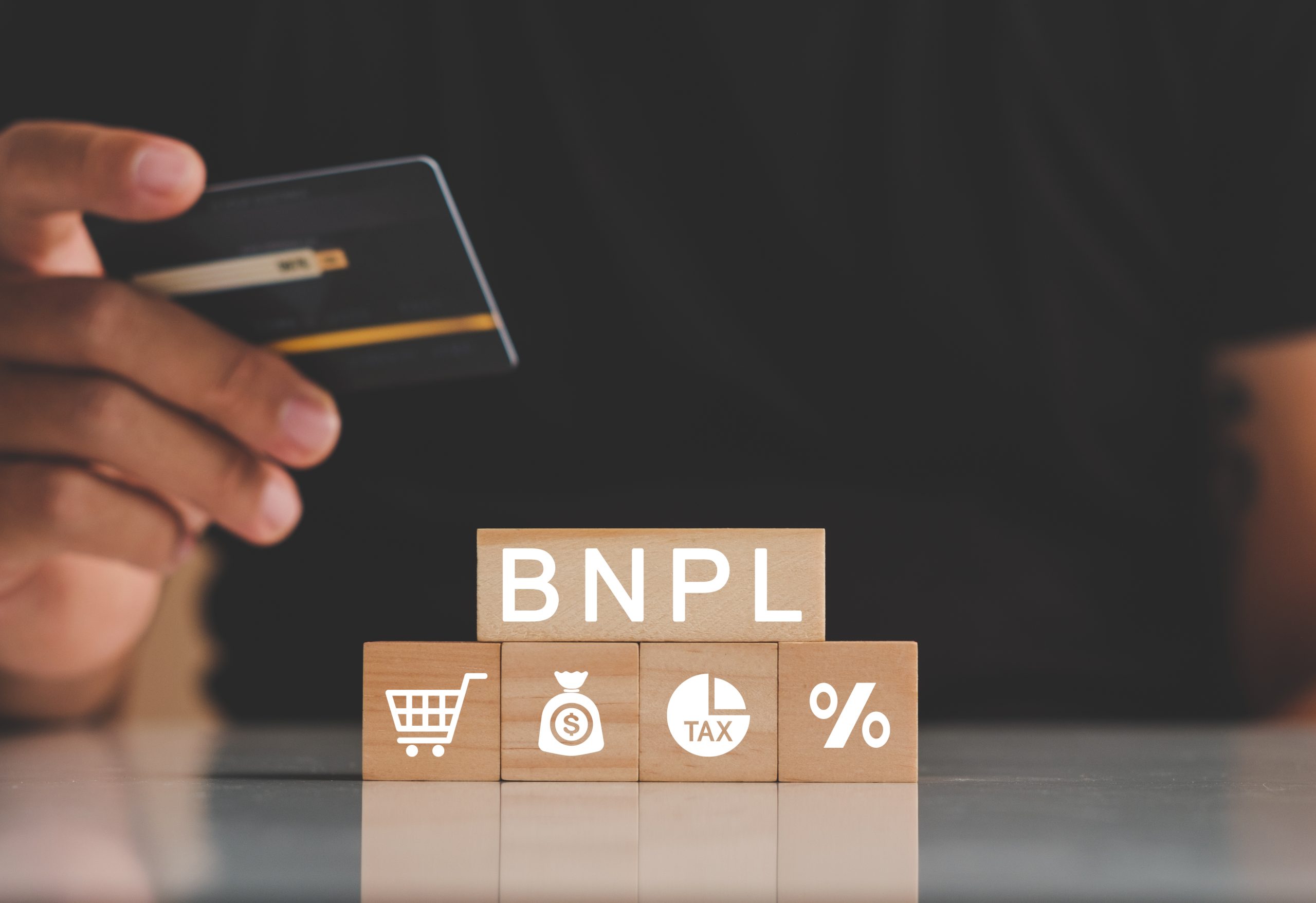
Buy Now Pay Later (BNPL), which allows customers to spread the cost of a purchase over time (weeks, months, or years), is becoming an increasingly popular consumer trend. The size of the BNPL market in the US was said to be worth several billion dollars in 2019 and is expected to grow by nearly 40 times by 2024. According to a study by Lending Tree, nearly one-third of consumers are using BNPL, with 62% saying they have done so five times or more.
Between the three global giants––Klarna, Afterpay, and Affirm––the BNPL model has clearly established itself as a dominant payment method, boasting tens of millions of customers and hundreds of thousands of merchants. Afterpay reports 16 million active customers, Klarna 90 million. PayPal has also launched its own BNPL feature in several markets, and Apple’s entry is imminent. At the end of the day, two things are clear: 1) BNPL is a massive opportunity that is just getting started, and 2) the problems solved will be very unique to the markets in which these BNPL companies operate. The key question is – what is BNPL and why is it rising in popularity?
BNPL: A Win-Win for Consumers and Merchants
BNPL companies serve both sides of the transaction equation: consumers and merchants. On the merchant side, the thesis is simple (and global): credit drives sales, and merchants report higher conversion rates due to the simplicity of the BNPL checkout process. In addition, merchants report higher average order values and purchase frequency from customers who use BNPL versus those who don’t. Despite often being required to pay higher merchant discount rates to the BNPL platforms compared to credit card issuers, it is a straightforward decision for merchants to integrate BNPL solutions at the checkout.
On the consumer side, BNPL models come in several shapes and sizes, but at its core, the primary solution provided is one of either access or convenience. Whether you choose a model with a short tenor or longer tenor financing, we see a variety of business models come into play globally.
Afterpay, for instance, is a single product company where purchases are spread over a 6 week period. Klarna and Affirm, on the other hand, offer financing up to 3 to 4 years. The choice of tenor really boils down to the goods and services being purchased relative to the income of the target customer set. With shorter tenors, the product resembles a payment engine with the merchant bearing the primary cost of the transaction. As we move towards longer tenors, consumers naturally start bearing a higher proportion of the transaction cost.
The Great Credit Card Divide
Another reason for the growth of BNPL is that it is a convenient alternative to credit, especially in emerging markets. In developed markets of Australia, America, and Western Europe, where credit card penetration is already high, BNPL is first and foremost an optional convenience. In fact, credit cards are ubiquitous in the US––total credit card debt among US consumers is ~$1Tn, and the average American carries three cards in their wallets. So, whether it is to avoid keying in their 16 digit credit card number while shopping online, or as a way to avoid credit card fees and high interest, BNPL offers these consumers another method for a smooth checkout experience. Additionally, in the wake of the 2009 global financial crisis, millennials (and later Gen Z) have shown a clear shift from credit cards to debit, and have leaned on BNPL to serve their credit needs in these markets.
However, in emerging markets, not only is BNPL convenient, but it also provides the first form of unsecured credit access to otherwise credit-starved customers. The lack of unsecured credit in emerging markets stems from a number of reasons, primary among them being poorly developed credit bureau infrastructure, a key enabling layer that underpins all traditional credit card and BNPL models in developed markets. In areas such as Indonesia for example, credit penetration is both low and stagnant, and total BNPL accounts have already surpassed total credit card users. Given the explosive growth of BNPL in other South and Southeast Asian markets in the recent past, this trend is set to continue.
BNPL Wins, Consumers Win
Overall there is a large, addressable market for BNPL, and its rise in popularity is expected to drive $680 billion in transaction volume worldwide by 2025. Secondly, the problems solved will be very unique to the markets in which each BNPL company operates. The key success factor and why this model resonates with customers globally? Easy to understand fees for consumers who are incentivized to pay on time. Perhaps the best thing BNPL has going for it is that, unlike the traditional credit card issuers, it doesn’t need the consumer to lose for the industry to win.