PaymentsJournal
No Result
View All Result
SIGN UP
  • Commercial
  • Credit
  • Debit
  • Digital Assets & Crypto
  • Digital Banking
  • Emerging Payments
  • Fraud & Security
  • Merchant
  • Prepaid
PaymentsJournal
  • Commercial
  • Credit
  • Debit
  • Digital Assets & Crypto
  • Digital Banking
  • Emerging Payments
  • Fraud & Security
  • Merchant
  • Prepaid
No Result
View All Result
PaymentsJournal
No Result
View All Result

We Need to Deal with Debt NOW

By Pete Reville
February 3, 2020
in Analysts Coverage, Debt
0
2
SHARES
0
VIEWS
Share on FacebookShare on TwitterShare on LinkedIn

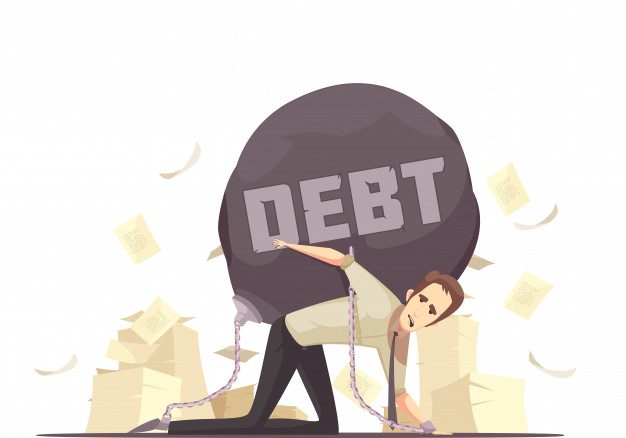
I don’t think anyone can argue that the middle class in America is not in trouble.  Declining job opportunities, rising healthcare and education costs, to mention a few, are real burdens faced by all Americans, but the middle class American seems to be the hardest hit.  These hardships often manifest themselves in the form of financial struggles, which often lead to debt.

Forbes Senior Contributor Christian Weller points out the enormity of this problem in his recent article It Is Not Healthy When Middle-Class Families Drown In Debt In A Growing Economy.  I think the following excerpt does a very good job of making his point:

Consumer credit has grown faster than after-tax incomes since the Great Recession. It grew from an average of 14.9% of after-tax income in June 2009, when the Great Recession ended, to 18.5% in September 2019 (see figure below). Families would have had $653 billion less in debt in September 2019 if consumer credit had just grown at the same rate as income since the end of the Great Recession. That consumer debt has outpaced incomes in an expanding economy is not a sign of middle-class wellbeing.

As I read the article, I couldn’t help but think that we are on the precipice of another type of financial crisis that will be very difficult to dig out of. What happens when people cannot bear the weight of this debt any longer?

In fact, Business Insider cites statistics from the American Journal of Public Health that show 66.5% of personal bankruptcies are tied to medical expenses and 25.4% are in some way related to education expenses. These are not people living beyond their means, or trapped in a regrettable mortgage. These are people just trying to get by.

The financial and social disruption this kind of a crisis could bring has the potential of significantly disrupting this country on financial, social, and personal levels in a way that could destabilize the U.S.

Sadly, I don’t have the necessary public policy chops to provide meaningful solutions.  What I do know, however, is that there is no way this issue will solve itself.

Overview by Peter Reville, Director, Primary Research Services at Mercator Advisory Group

2
SHARES
0
VIEWS
Share on FacebookShare on TwitterShare on LinkedIn
Tags: BankruptciesDebtHealthcare PaymentsMiddle ClassPerma-debt

    Get the Latest News and Insights Delivered Daily

    Subscribe to the PaymentsJournal Newsletter for exclusive insight and data from Javelin Strategy & Research analysts and industry professionals.

    Must Reads

    Reserve Bank of India (RBI) Extends Mandate for Tokenization to June '22

    Late Payments? Governments Are Taking Action

    February 9, 2026
    ai phishing

    The Fraud Epidemic Is Testing the Limits of Cybersecurity

    February 6, 2026
    stablecoins b2b payments

    Stablecoins and the Future of B2B Payments: Faster, Cheaper, Better

    February 5, 2026
    Payment Facilitator

    The Payment Facilitator Model as a Growth Strategy for ISVs

    February 4, 2026
    Simplifying Payment Processing? Payment Orchestration Can Help , multi-acquiring merchants

    Multi-Acquiring Is the New Standard—Are Merchants Ready?

    February 3, 2026
    ACH Network, credit-push fraud, ACH payments growth

    What’s Driving the Rapid Growth in ACH Payments

    February 2, 2026
    chatgpt payments

    How Merchants Should Navigate the Rise of Agentic AI

    January 30, 2026
    fraud passkey

    Why the Future of Financial Fraud Prevention Is Passwordless

    January 29, 2026

    Linkedin-in X-twitter
    • Commercial
    • Credit
    • Debit
    • Digital Assets & Crypto
    • Digital Banking
    • Commercial
    • Credit
    • Debit
    • Digital Assets & Crypto
    • Digital Banking
    • Emerging Payments
    • Fraud & Security
    • Merchant
    • Prepaid
    • Emerging Payments
    • Fraud & Security
    • Merchant
    • Prepaid
    • About Us
    • Advertise With Us
    • Sign Up for Our Newsletter
    • About Us
    • Advertise With Us
    • Sign Up for Our Newsletter

    ©2024 PaymentsJournal.com |  Terms of Use | Privacy Policy

    • Commercial Payments
    • Credit
    • Debit
    • Digital Assets & Crypto
    • Emerging Payments
    • Fraud & Security
    • Merchant
    • Prepaid
    No Result
    View All Result