What is the future of contactless payments? Payment methods have evolved significantly throughout the years. Before there were notes and coins, there was the age of bartering. The monetary system didn’t exist until 600 B.C. when the first currency was created in Lydia (now known as Turkey). Up until then, people made transactions with items, coins, and anything they could get their hands on. As time went by, people soon discovered it wasn’t the most efficient way to make purchases.
In 800 B.C. China began to use paper banknotes and soon Europe followed suit. In the 20th century, the first credit card made its debut in the UK. Not long, the debit card was introduced and continues to be a popular means of payment until now.
The rise of the Internet influenced the world like nothing else. Thanks to the world wide web, ecommerce appeared and the ability to make transactions online became possible. Electronic payment and mobile payment became a common way of life, making cash and coins a thing of the past.
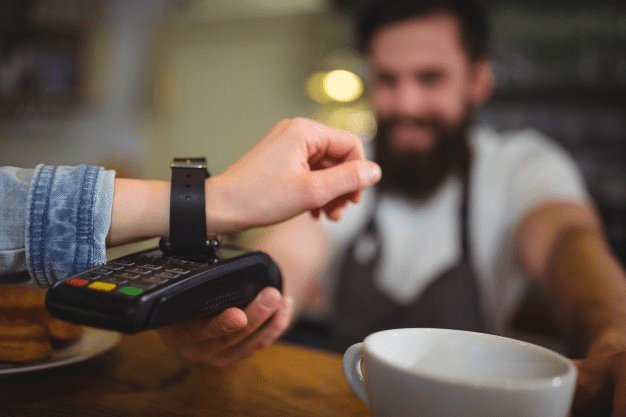
Unless you’ve been living under a rock, you’ve definitely seen that people can now make transactions with just tapping their card or phone on a machine. These transactions are made using RFID or NFC, which is done digitally— saving you the hassle of going through your wallet.
For some people, it may sound dangerous since it doesn’t require the user to enter a pin or credentials. However, contactless payment is actually extremely safe. Movies often showcase hackers stealing information from a card. In reality, this is rare and hard to pull off since cards have EMV chips. In essence, completing a transaction takes multiple steps of encryption.
Nowadays, we also have Android Pay and Apple Pay on our smartphones. These applications take extra precautions and implement safeguards to protect users which makes contactless payment a breeze and a safe experience for their users.
Recently, contactless payment experienced a surge in usage. There are various reasons for this. First of all, customers love it. It saves them time because they don’t need to wait for their change or sign a piece of paper. Less waiting time creates better customer satisfaction. This is especially good for brick-and-mortar stores that tend to have longer customer wait times.
Businesses have also started utilizing the contactless payment method by creating more loyalty programs. They encourage customers to make purchases using their loyalty programs by offering perks and benefits. A good example would be Starbucks, Liven App, and Amazon Prime. Liven offers discounts and cashback at specific restaurants if members use their app to pay.
All in all, contactless payment is simply convenient. It’s not limited to just plastic cards. Contactless payment is growing and it’s becoming available to consumers in different kinds of forms.
Other than shopping, people are using cashless payment for running daily errands such as paying for public transport. Due to its ease of use, it has become a popular way to complete transactions. In the end, it’s a much more efficient way to pay for your purchases.