PaymentsJournal
No Result
View All Result
SIGN UP
  • Commercial
  • Credit
  • Debit
  • Digital Assets & Crypto
  • Digital Banking
  • Emerging Payments
  • Fraud & Security
  • Merchant
  • Prepaid
PaymentsJournal
  • Commercial
  • Credit
  • Debit
  • Digital Assets & Crypto
  • Digital Banking
  • Emerging Payments
  • Fraud & Security
  • Merchant
  • Prepaid
No Result
View All Result
PaymentsJournal
No Result
View All Result

Some Countries Would Benefit By Going Cashless, But People Would Suffer

By Ben Jackson
June 1, 2016
in Analysts Coverage
0
0
SHARES
0
VIEWS
Share on FacebookShare on TwitterShare on LinkedIn
Consumers Cash ATM c-stores

Has Consumers' Use of Cash Increased or Decreased over the Last 12 Months?

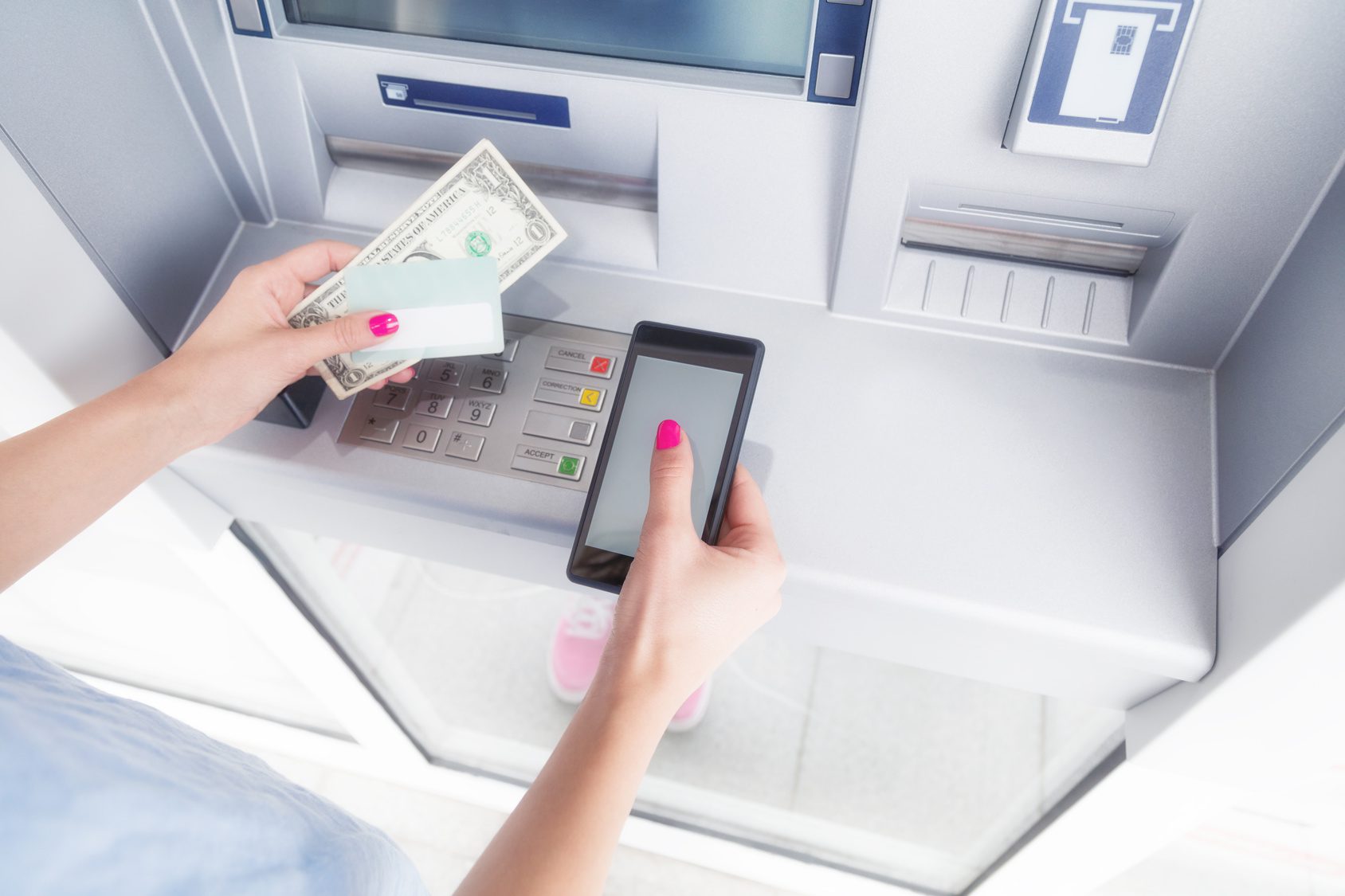
A report in the Harvard Business Review lays out the countries that would profit most from going cashless, but it does note that there could be drawbacks for individuals.

Policy makers and economists, such as Harvard’s Ken Rogoff, have made elegant arguments for the benefits of a cashless society. Economic uncertainty around the globe has raised concerns that consumers could take cash out of banks – especially in negative interest rate envrionments — and hoard it. Eliminating cash is one way to reduce that risk. Denmark, Sweden, and Norway are already considering it, while the European Central Bank is considering getting rid of large-denomination bills.

For people facing events like natural or economic disasters, cash can provide a safety net that other forms of payments cannot. Eliminating an option for consumers is not necessarily the basis of sound policy.

The article uses measures for the cost to banks for operating ATMs, the costs of getting cash for consumers – including transport to get cash and ATM fees – and a ‘tax gap’ of money lost by taxing authorities to determine which countries would benefit from getting rid of cash. The assumptions leave room for interpretation, however.

First, cash is not only received from ATMs. While bank branches might push up the costs of cash, the ability to receive cash for wages or private sales is a huge cost savings for individuals. The informal economy would be dealt a serious blow and individuals’ costs would rise if they needed to rely on a third-party payments infrastructure for every payment. While P-to-P products are free to the consumer at this point, once electronic payments are the only way to pay, the prices of these services will rise, if for no other reason than to maintain the electronic infrastructure.

The tax gap is another assumption that needs to be considered carefully. While some informal work and transactions lead to lost revenue for the government, there is a question of the macroeconomic benefits of this activity. Depending on the source of the tax revenues, the money in the informal economy will eventually enter the formal economy again. If the government can see every time a kid gets paid for mowing his neighbor’s lawn and takes a cut, it may put the brakes on economic activity that would otherwise benefit society as a whole.

Overview by Ben Jackson, Director, Prepaid Advisory Service at Mercator Advisory Group

Read the full story here

0
SHARES
0
VIEWS
Share on FacebookShare on TwitterShare on LinkedIn

    Get the Latest News and Insights Delivered Daily

    Subscribe to the PaymentsJournal Newsletter for exclusive insight and data from Javelin Strategy & Research analysts and industry professionals.

    Must Reads

    ai phishing

    The Fraud Epidemic Is Testing the Limits of Cybersecurity

    February 6, 2026
    stablecoins b2b payments

    Stablecoins and the Future of B2B Payments: Faster, Cheaper, Better

    February 5, 2026
    Payment Facilitator

    The Payment Facilitator Model as a Growth Strategy for ISVs

    February 4, 2026
    Simplifying Payment Processing? Payment Orchestration Can Help , multi-acquiring merchants

    Multi-Acquiring Is the New Standard—Are Merchants Ready?

    February 3, 2026
    ACH Network, credit-push fraud, ACH payments growth

    What’s Driving the Rapid Growth in ACH Payments

    February 2, 2026
    chatgpt payments

    How Merchants Should Navigate the Rise of Agentic AI

    January 30, 2026
    fraud passkey

    Why the Future of Financial Fraud Prevention Is Passwordless

    January 29, 2026
    payments AI

    When Can Payments Trust AI?

    January 28, 2026

    Linkedin-in X-twitter
    • Commercial
    • Credit
    • Debit
    • Digital Assets & Crypto
    • Digital Banking
    • Commercial
    • Credit
    • Debit
    • Digital Assets & Crypto
    • Digital Banking
    • Emerging Payments
    • Fraud & Security
    • Merchant
    • Prepaid
    • Emerging Payments
    • Fraud & Security
    • Merchant
    • Prepaid
    • About Us
    • Advertise With Us
    • Sign Up for Our Newsletter
    • About Us
    • Advertise With Us
    • Sign Up for Our Newsletter

    ©2024 PaymentsJournal.com |  Terms of Use | Privacy Policy

    • Commercial Payments
    • Credit
    • Debit
    • Digital Assets & Crypto
    • Emerging Payments
    • Fraud & Security
    • Merchant
    • Prepaid
    No Result
    View All Result