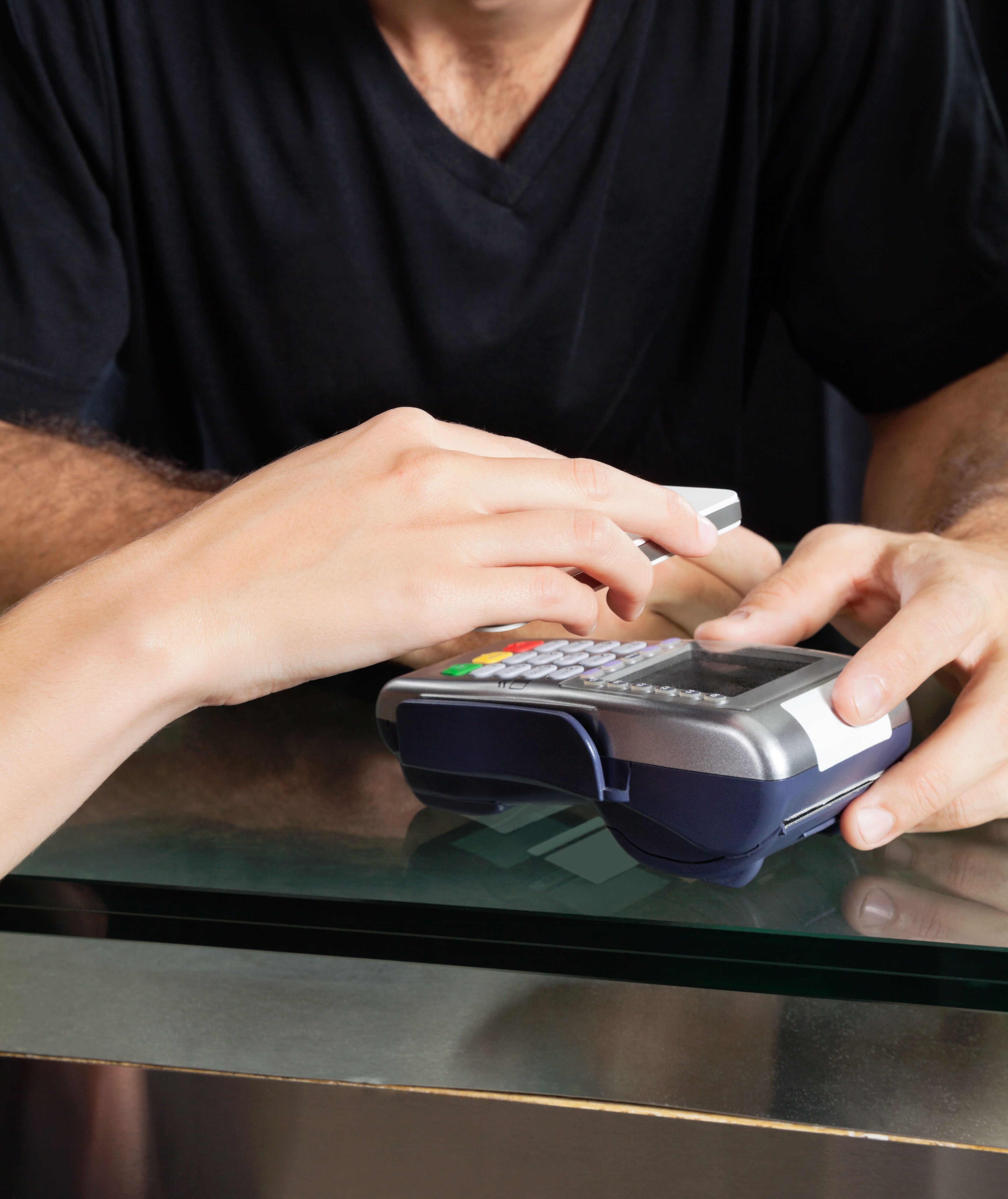
Near field communication technology was one of the most closely watched innovations in mobile payments during the early 2010s, with device manufacturers racing to embed the capability into smartphones. As businesses explored new ways to connect consumers with payments, loyalty programs, ticketing, and information services, NFC was widely viewed as a foundational technology for the next generation of mobile commerce. Acer’s latest smartphone launch reflects the growing industry belief that contactless functionality would become a standard feature rather than a niche capability.
The introduction of NFC-enabled smartphones signaled a broader shift toward digital interactions that extend well beyond payments. From public transportation access and event ticketing to loyalty rewards and location-based services, manufacturers saw NFC as a gateway to a wide range of consumer applications. As adoption expanded, smartphone makers increasingly viewed support for contactless technology as an important competitive differentiator.
Acer will release its new, NFC-enabled smartphone, the Liquid Express, on November 23rd in France. The phone will also be equipped with a 3.5 inch screen, a Qualcomm MSM7227 processor running at 800MHz, a five megapixel camera with LED flash, and Android 2.3 Gingerbread.
NFC is a priority for the company, says Augustin Becquet, development director at Acer France, “because there are so many uses for the technology: payments, transport, ticketing, loyalty, cultural information, local government information… we haven’t yet begun to explore the thousands of applications that will be uncovered.”
The company has stated that all of their future Android phones will include NFC capabilities as well.
Acer’s commitment to embedding NFC across its future Android smartphone lineup highlights the level of confidence many technology companies had in the long-term potential of contactless services. While mobile payments were a major focus, the broader vision centered on creating a seamless ecosystem where smartphones could serve as wallets, tickets, loyalty cards, and information hubs.
Looking back, announcements like the Liquid Express illustrate how early investments in NFC helped lay the groundwork for many of the contactless experiences consumers now take for granted. As mobile commerce evolved, NFC became an important building block in the expansion of digital payments, transportation access, and connected consumer services.