PaymentsJournal
No Result
View All Result
SIGN UP
  • Commercial
  • Credit
  • Debit
  • Digital Assets & Crypto
  • Digital Banking
  • Emerging Payments
  • Fraud & Security
  • Merchant
  • Prepaid
PaymentsJournal
  • Commercial
  • Credit
  • Debit
  • Digital Assets & Crypto
  • Digital Banking
  • Emerging Payments
  • Fraud & Security
  • Merchant
  • Prepaid
No Result
View All Result
PaymentsJournal
No Result
View All Result

Australia’s Ban on Debit and Credit Card Surcharges Takes Effect

By Tom Nawrocki
September 28, 2026
in Analysts Coverage, Merchant
0
0
SHARES
0
VIEWS
Share on LinkedIn
bnpl phantom debt

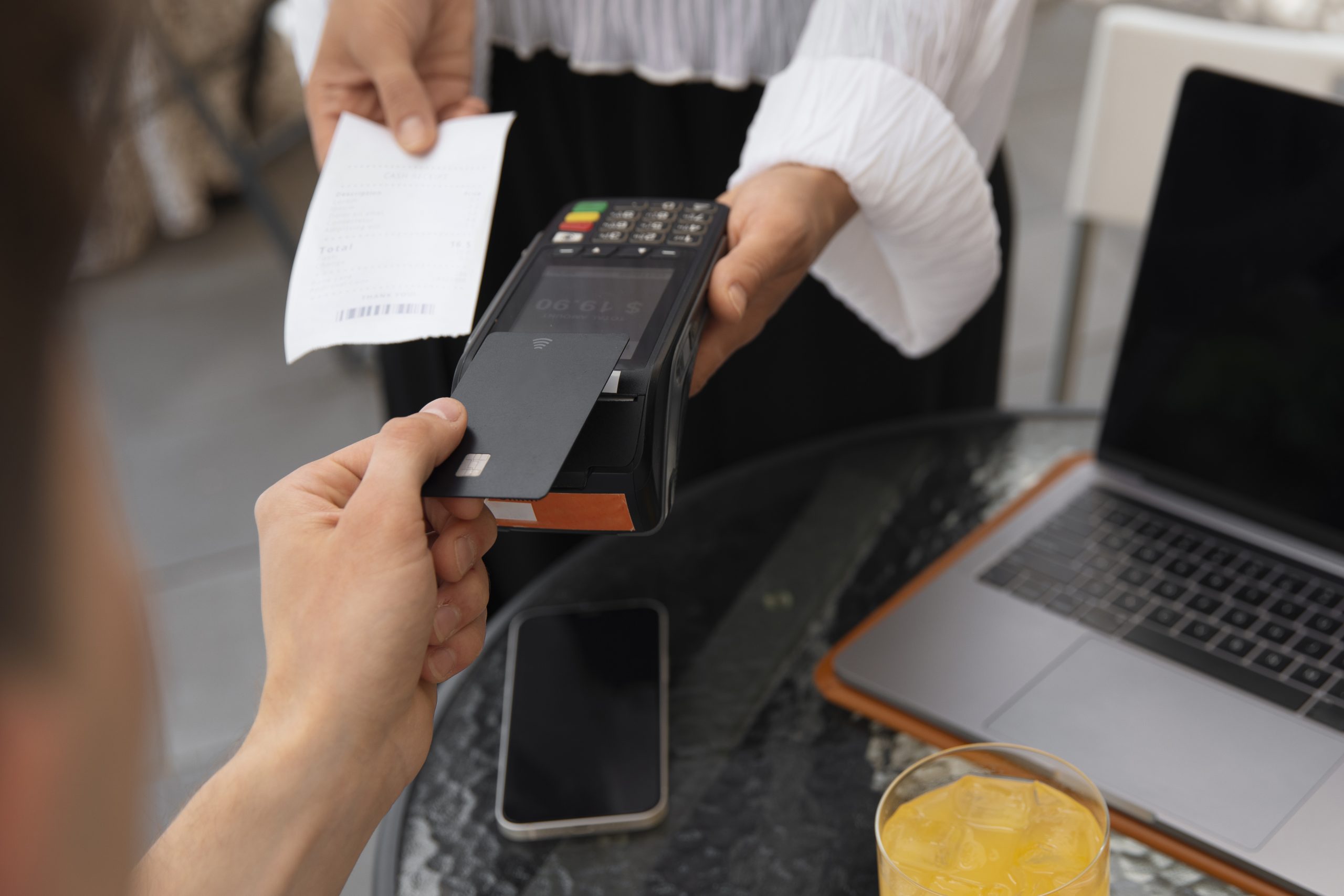
For Australian shoppers, the extra charge for paying by card is about to disappear. Starting October 1, businesses across the country will be barred from adding surcharges to Mastercard, Visa, and EFTPOS transactions under new rules from the Reserve Bank of Australia (RBA).

The rules means retailers will no longer be able to charge customers extra for paying by card, whether they shop in person or online. Most large payment service providers in Australia intend to remove surcharging functionality from the terminals they provide to businesses by the time the rules take effect.

Cutting Interchange Fees to Compensate

To help offset the loss of surcharge revenue for merchants, the RBA is simultaneously lowering interchange fee caps. For domestic-issued consumer credit cards, the interchange fee cap will fall from 0.8% to 0.3%.

Interchange fees for foreign-issued cards will be capped at 1% beginning April 1, 2027. The RBA estimates that the lower interchange fees will save businesses roughly $910 million annually.

Debit card interchange fee limits will also decline, from 0.2% to 0.16%, while the cap for commercial credit cards will remain at 0.8%.

Potential Drawbacks for Consumers

The RBA estimates that eliminating surcharges will save consumers $1.6 billion annually. However, consumers may not see all of those savings at the checkout. Businesses could choose to absorb the cost of accepting cards or pass some of it on through higher prices.

“It’s less of a headache for consumers who are being surcharged to use their cards at the point of sale, but many merchants will need to absorb those costs of card acceptance that they were trying to reduce through surcharging,” said Ben Danner, Senior Analyst, Debit at Javelin Strategy & Research. “We may see higher item prices among smaller merchants who are unable to absorb the added costs.”

Rewards programs could also be affected. Because interchange fees are one source of funding for card issuers, lower fees could make it more difficult for issuers to sustain generous rewards programs.

In the U.S., debit card surcharging is already prohibited nationwide by Visa and Mastercard. Credit card surcharging remains legal in most states, although it is prohibited in Massachusetts, Connecticut, Maine, and Puerto Rico.

0
SHARES
0
VIEWS
Share on LinkedIn
Tags: AustraliaCreditCredit Card SurchargingDebitInterchange FeesReserve Bank of AustraliaSwipe Fees

    Get the Latest News and Insights Delivered Daily

    Subscribe to the PaymentsJournal Newsletter for exclusive insight and data from Javelin Strategy & Research analysts and industry professionals.

    Must Reads

    Real-Time Cross-Border Dollar and Euro Payments Take Shape,cross-border payment processing, cross-border banking and payments

    Small Businesses Weigh Their Options in Cross-Border Payments

    September 28, 2026
    risk management

    Embedding Risk at Every Stage of the Payment

    September 25, 2026
    physical payment cards

    Physical Cards Reimagined—More Than a Payment Tool

    September 24, 2026
    agentic commerce

    Delegation with Limits: What Merchants Want from Agentic Commerce

    September 23, 2026
    AI in payment collections

    From Data to Action: How Automated Intelligence Is Changing Collections

    September 22, 2026
    circle stablecoin

    As Prepaid Fraud Evolves, So Do the Rules

    September 21, 2026
    bots fraud, bank security in data sharing, J.P. Morgan fraud protection TSYS, 3D Secure 2.0

    The Evolution of 3D Secure Puts it at the Center of Fraud Prevention

    September 18, 2026
    fraud detection signals

    Why Fraudsters Look Trustworthy and Good Customers Look Suspicious

    September 17, 2026

    Linkedin-in X-twitter
    • Commercial
    • Credit
    • Debit
    • Digital Assets & Crypto
    • Digital Banking
    • Commercial
    • Credit
    • Debit
    • Digital Assets & Crypto
    • Digital Banking
    • Emerging Payments
    • Fraud & Security
    • Merchant
    • Prepaid
    • Emerging Payments
    • Fraud & Security
    • Merchant
    • Prepaid
    • About Us
    • Advertise With Us
    • Sign Up for Our Newsletter
    • About Us
    • Advertise With Us
    • Sign Up for Our Newsletter

    ©2026 PaymentsJournal.com |  Terms of Use | Privacy Policy

    • Commercial Payments
    • Credit
    • Debit
    • Digital Assets & Crypto
    • Emerging Payments
    • Fraud & Security
    • Merchant
    • Prepaid
    No Result
    View All Result