PaymentsJournal
No Result
View All Result
SIGN UP
  • Commercial
  • Credit
  • Debit
  • Digital Assets & Crypto
  • Digital Banking
  • Emerging Payments
  • Fraud & Security
  • Merchant
  • Prepaid
PaymentsJournal
  • Commercial
  • Credit
  • Debit
  • Digital Assets & Crypto
  • Digital Banking
  • Emerging Payments
  • Fraud & Security
  • Merchant
  • Prepaid
No Result
View All Result
PaymentsJournal
No Result
View All Result

Bad Actors Are Already Piloting the Next Evolution of AI

By Wesley Grant
March 25, 2026
in Analysts Coverage, Artificial Intelligence, Fraud & Security
0
0
SHARES
0
VIEWS
Share on FacebookShare on TwitterShare on LinkedIn
fraud ai

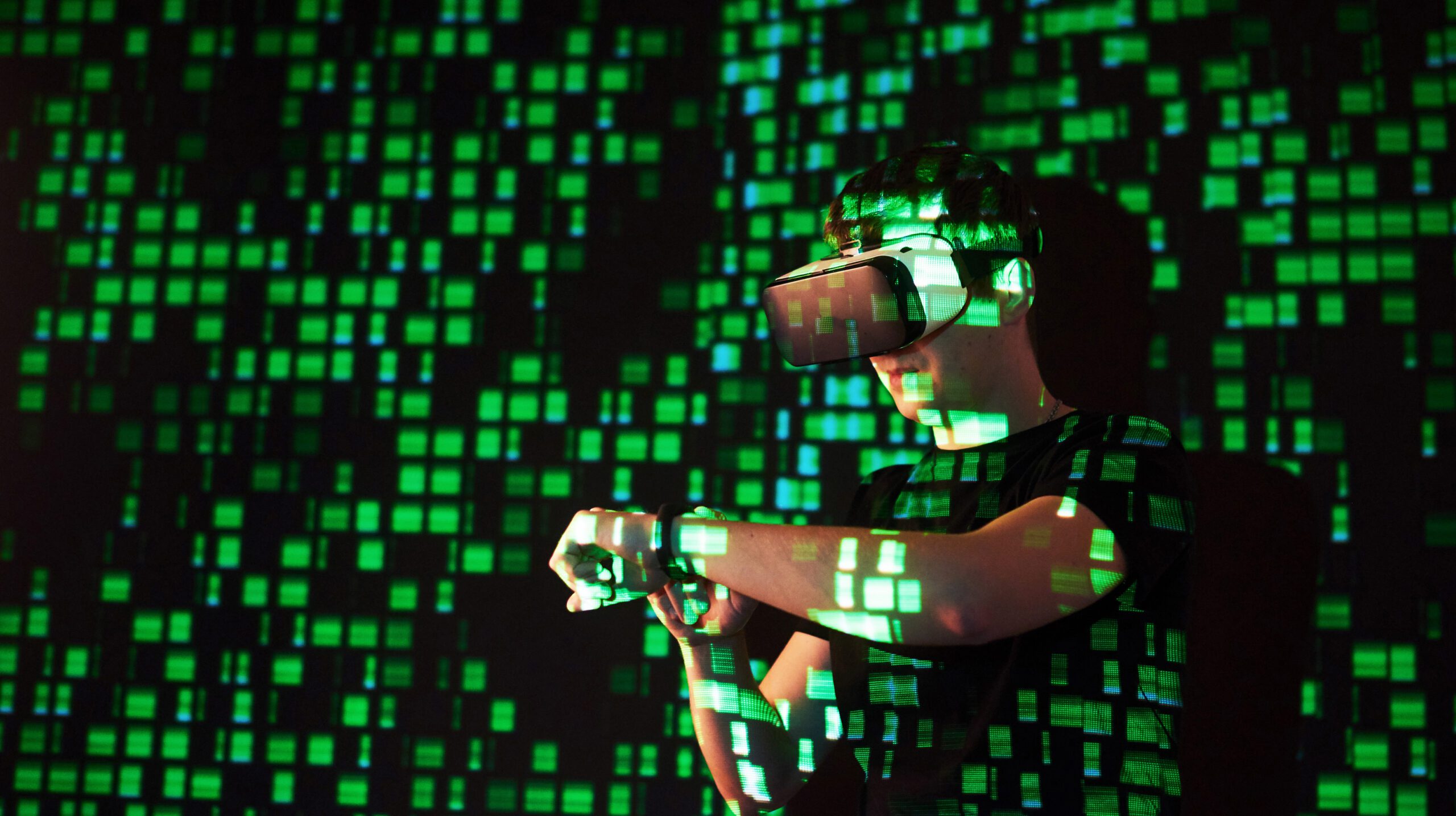
Double exposure of a caucasian man and Virtual reality VR headset is presumably a gamer or a hacker cracking the code into a secure network or server, with lines of code in green

Artificial intelligence has rapidly stretched the limits of the traditional computing model, as it demands substantial infrastructure and resources to operate.

A potential solution lies in quantum computing, which leverages the principles of quantum mechanics to move beyond conventional binary and linear processing. Shifting AI to a quantum computing foundation could theoretically enable models to improve efficiency while consuming fewer resources.

While quantum AI may still seem like a distant prospect for organizations that are just beginning to integrate generative and agentic AI, there are signs that cybercriminals are already experimenting with the next level of artificial intelligence.

According to data from the Association of Certified Fraud Examiners and SAS, most respondents expect quantum AI to significantly impact fraud prevention by 2030, and roughly 10% report that it is already having an effect.

Supercharging the Deepfake Threat

Equally concerning, the study found that bad actors have increased their use of AI across nearly every aspect of their operations, from consumer scams to document forgery. However, deepfake-driven social engineering has seen the sharpest rise, with roughly three-quarters of respondents reporting an uptick over the past two years.

While early deepfakes were often easy to identify, more advanced AI models have made them a threat that can no longer be dismissed. The AI Incident Database reinforced these concerns, documenting more than 100 distinct deepfake incidents between November 2025 and January 2026.

A Perilous Situation

These emerging threats are straining the capabilities of modern cybersecurity systems. For financial institutions in particular—bound by strict compliance constraints and high customer expectations—implementing new technologies is often a complex and resource-intensive process.

This has created a precarious situation where cybercriminals are evolving in lockstep with rapidly advancing technologies, while many banks are struggling to keep pace. According to the ACFE study, only 7% of respondents said their organization was more than moderately prepared to detect or prevent AI-powered fraud.

With quantum computing potentially entering the equation, this gap could quickly become catastrophic.

“We’re close to where quantum computing is going to break encryption,” Tracy Goldberg, Director of Cybersecurity at Javelin Strategy & Research told PaymentsJournal. “This goes back to the whole risk that we see with the way we’re securing data today. Data is tokenized or encrypted; card numbers are tokenized as they’re transmitted as this is a requirement for PCI compliance.”

“If quantum computing is able to break that encryption, then we’re ultimately sending card data in the clear and it’s setting us back 20 years,” she said. “Tokenization will mean nothing.”

0
SHARES
0
VIEWS
Share on FacebookShare on TwitterShare on LinkedIn
Tags: AIAI AgentsAI FraudArtificial IntelligenceDeepfake AI FraudDeepfakesFraudQuantum AIQuantum Computing

    Get the Latest News and Insights Delivered Daily

    Subscribe to the PaymentsJournal Newsletter for exclusive insight and data from Javelin Strategy & Research analysts and industry professionals.

    Must Reads

    samsung p2p

    Making Zelle Work Better for Users—and Banks

    April 10, 2026
    fraud escalate

    As Fraud Escalates, Taking a Beat Becomes a Critical Defense

    April 9, 2026
    privacy open banking

    As Open Banking Fuels Interconnectivity, Privacy Matters More

    April 8, 2026

    ACH Is Thriving, and Banks Are Struggling to Keep Pace

    April 7, 2026
    stablecoins, Klarna

    How Stablecoins Emerged as a Key Element of Cross-Border Payments

    April 6, 2026
    Cross-Border Payments

    How the U.S. Built Its Faster Payments Ecosystem

    April 3, 2026
    Young Latin woman applying powder on her face for beauty blog. Smiling woman sitting at table in cosy room holding powder box and brush looking at phone camera recording video. Make up and cosmetics blogging concept

    TikTok Aspires to Fintech Status with Payments, Credit Bids in Brazil

    April 2, 2026
    small business credit card

    What Banks Get Wrong About Small Business Credit Cards

    April 1, 2026

    Linkedin-in X-twitter
    • Commercial
    • Credit
    • Debit
    • Digital Assets & Crypto
    • Digital Banking
    • Commercial
    • Credit
    • Debit
    • Digital Assets & Crypto
    • Digital Banking
    • Emerging Payments
    • Fraud & Security
    • Merchant
    • Prepaid
    • Emerging Payments
    • Fraud & Security
    • Merchant
    • Prepaid
    • About Us
    • Advertise With Us
    • Sign Up for Our Newsletter
    • About Us
    • Advertise With Us
    • Sign Up for Our Newsletter

    ©2026 PaymentsJournal.com |  Terms of Use | Privacy Policy

    • Commercial Payments
    • Credit
    • Debit
    • Digital Assets & Crypto
    • Emerging Payments
    • Fraud & Security
    • Merchant
    • Prepaid
    No Result
    View All Result
