

Blockchain, the technology that makes cryptocurrencies possible, is a powerful and promising technology. Although blockchain may not seem as exciting as cryptocurrencies themselves on the outset, blockchain may very well be a foundational technology on which much will be built.
Blockchain, although foreign to many, is a familiar concept. Throughout history there have been various ways of tracking, transferring, and trading. Keeping track of everything relies on certain systems of bookkeeping. In that, we need to keep ledgers updated when we transfer things of value from one institution to another, one organization to another, and from one individual to another.
Usually, when transfering money, for example, each party has to keep a record of the transaction, and some intermediary, such as a bank, has to establish that the transfer is valid. The intermediaries establish trust between parties.
However, the dependence on an intermediary makes transfers inefficient. What’s worse, a lack of a master ledger makes trades and transfers prone to error, and as a result, unnecessarily costly. The blockchain technology may be, at the very least, a partial solution to this problem.
Blockchain can be thought of as a global, distributed ledger that is peer-to-peer. It’s completely transparent, the transactions cannot be changed or tampered with, and there is no need for an intermediary to validate transfers.
With bitcoin, the seminal open-source digital currency, the blockchain acts as its backbone. The cryptocurrency and the blockchain technology are so entwined that you could say they are synonymous. More accurately, the term blockchain is an abstraction of Bitcoin and allows us to look at applications of the technology beyond bitcoin, beyond cryptocurrency.
In the specific case of Bitcoin, users are given encrypted wallet addresses. Wallets have two keys, a public key and a secret private. Private keys are used to sign transactions. All transactions are verified by the system itself through the mining system. That is, all waiting transactions require a cryptographic puzzle to be solved.
Miners race to solve the computationally-intense puzzles in order to mine a bit of bitcoin. When the puzzle is solved, the system agrees on the transaction, and a new signed receipt, or block, is added to the chain of public transactions. Because of this, falsifying transactions is exceedingly difficult. Transparency, consistency, and chronological order is established through clever code.
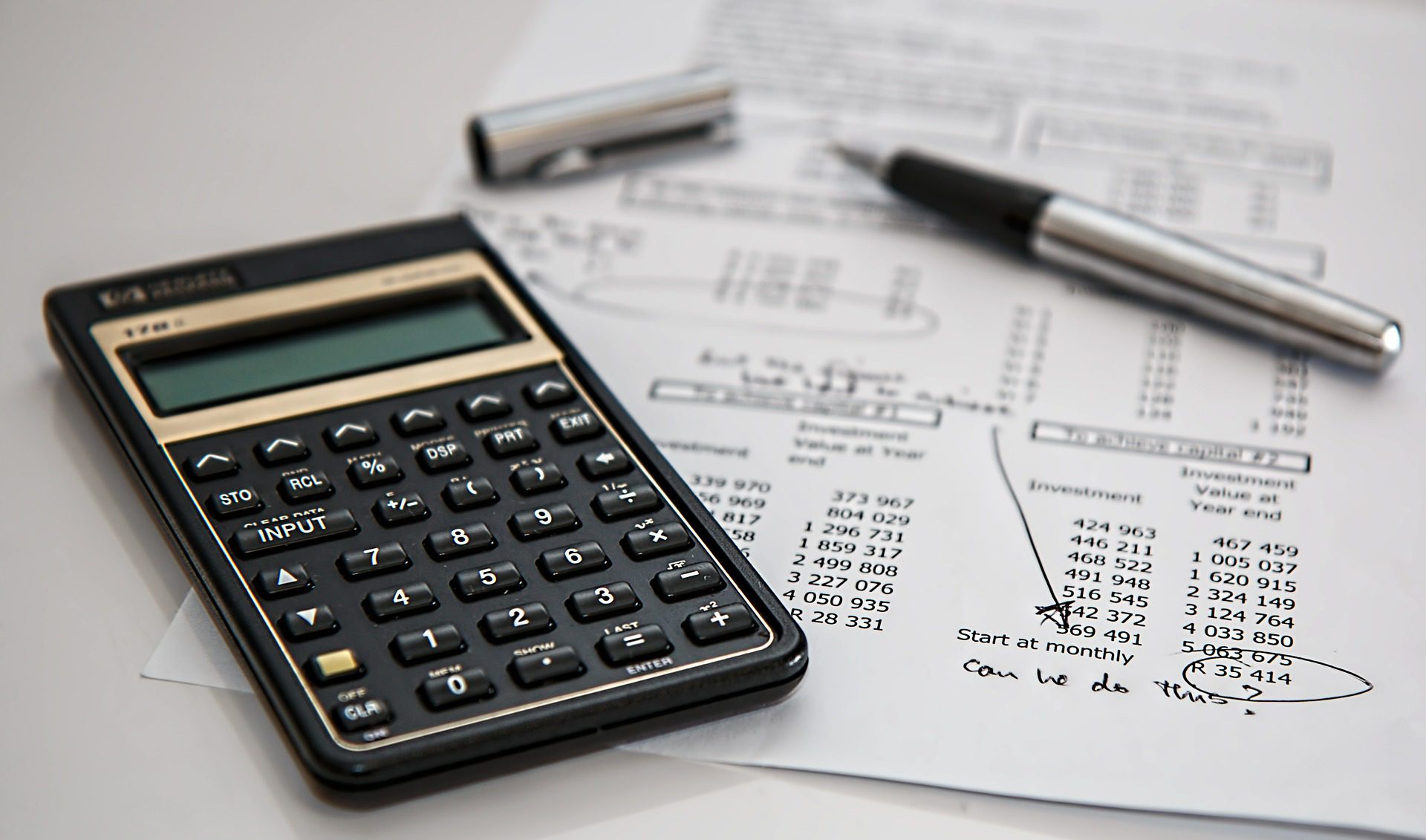
In order to understand the significance of blockchain applications, it’s important to go over the current systems of record keeping we use today. Modern accounting relies on double-entry bookkeeping.
Double entry bookkeeping revolutionized commerce during the renaissance. The idea is that every single financial transaction has an equal and opposite effect on at least two different accounts. A practical example being: if you purchase something from a convenience store there should be a record of funds leaving your account and there should be a record of funds arriving at the convenience store. This should be reflected on both the account of the customer and the account of the store. Double entry seems obvious to us today, but the advent of modern accounting was truly revolutionary at the time of its adoption.
Essentially, the blockchain is a form of triple-entry bookkeeping, whereby the signed receipt of transactions acts as another entry. Jason M. Tyra explains how this differs from modern accounting in his accounting article featured in Bitcoin Magazine. With bitcoin, entries on the blockchain don’t occur “separately in independent sets of books” but “occur in the form of a transfer between wallet addresses in the same distributed, public ledger, creating an interlocking system of enduring accounting records.”
Why upgrade modern accounting? It goes without saying that there are many problems plaguing our current system. Fraud and incompetence could be greatly reduced. In addition, intermediaries may not be as necessary as they once were.
While there likely will be a need for some trusted intermediaries to regulate certain facets of blockchain technologies, the need for a trusted third-party to validate every single transaction may no longer be necessary if blockchain adoption were to be widespread. With blockchain it may be possible to make accounting vastly more efficient, accurate, and secure.









