PaymentsJournal
No Result
View All Result
SIGN UP
  • Commercial
  • Credit
  • Debit
  • Digital Assets & Crypto
  • Digital Banking
  • Emerging Payments
  • Fraud & Security
  • Merchant
  • Prepaid
PaymentsJournal
  • Commercial
  • Credit
  • Debit
  • Digital Assets & Crypto
  • Digital Banking
  • Emerging Payments
  • Fraud & Security
  • Merchant
  • Prepaid
No Result
View All Result
PaymentsJournal
No Result
View All Result

Corporate Debt Nears a Record $10 Trillion, and Borrowing Binge Poses New Risks

By Steve Murphy
December 2, 2019
in Analysts Coverage, B2B, Commercial Payments
0
3
SHARES
0
VIEWS
Share on FacebookShare on TwitterShare on LinkedIn
Attention Debit Issuers: The Fed Plans to Clarify Regulation II

Attention Debit Issuers: The Fed Plans to Clarify Regulation II

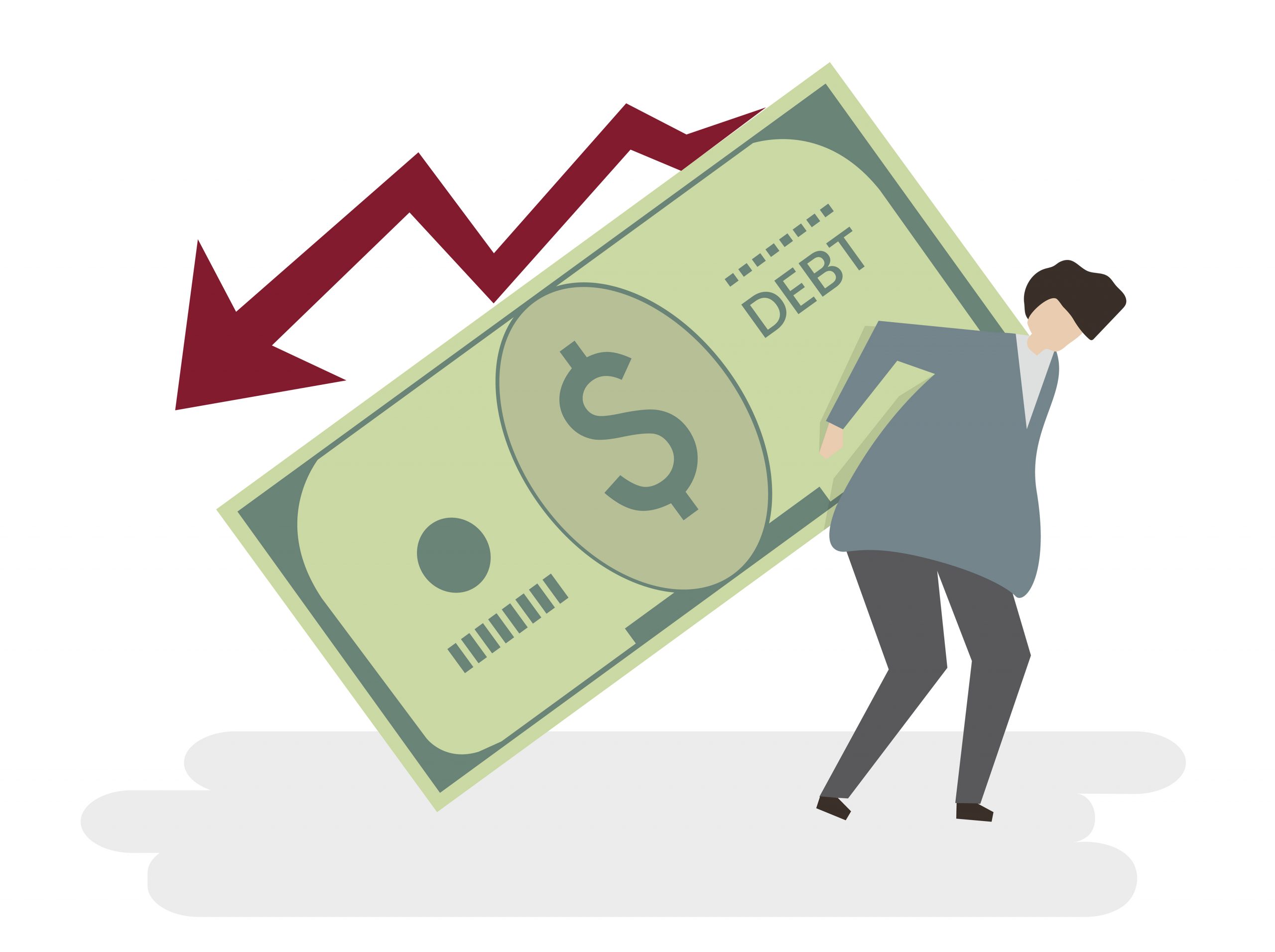
We typically don’t wander into the depths of corporate finance since it is tangentially related to core coverage of payments.  This article in the Washington Post business section serves as another reminder of the ubiquitous use of debt across the U.S. (and to an extent, global) financial landscape, with consumers, businesses and the government sitting on a tall heap of I.O.U.’s. This particular piece focuses on U.S. corporate bonds, which the author indicates was at a record $10 trillion as of June ’19 (data from FRED – St Louis Fed).

‘A decade of historically low interest rates has allowed companies to sell record amounts of bonds to investors, sending total U.S. corporate debt to nearly $10 trillion, or a record 47 percent of the overall economy….In recent weeks, the Federal Reserve, the International Monetary Fund and major institutional investors such as BlackRock and American Funds all have sounded the alarm about the mounting corporate obligations….The danger isn’t immediate. But some regulators and investors say the borrowing has gone on too long and could send financial markets plunging when the next recession hits, dealing the real economy a blow at a time when it already would be wobbling.’

A decade of central bank addiction to low interest rates as a policy tool, originally designed to stimulate economic growth, has led to investors holding $4 trillion of BBB rated bonds, which are essentially the last rung of investment grade before landing in junk bond territory. Generally speaking, the funding has not been used for Capex in order to fund expansion and business growth (at least not as much as would be expected), but to buy back stock and other deals, such as M&A. The concern is that an economic downturn might be extended by the impact of higher rates on re-valued corporate bonds, slowing down business activity even more. 

“This is part of a much bigger issue: an increased amount of collateral damage and the unintended consequences of an excessive reliance on central bank liquidity,” said Mohamed El-Erian, chief economic adviser to Allianz, the German financial services giant.’

Don’t look now, but U.S. consumers hold about $14 trillion in debt (including cards and student loans), while the U.S. federal government owes $23 trillion, which in and of itself costs roughly $500 billion in debt service annually. In the absence of any serious consideration for reduced government spending and reduced debt, think about debt service closer to $1 trillion as rates increase.  The article goes on to point out how markets react and what could happen in the bond market, but nobody should be too surprised about what is happening based on the effect of now ten years of low rates.

‘During the 2009 crisis, “BBB-rated” companies — the lowest rung of investment-grade — faced borrowing costs almost 7 percentage points higher than higher-quality companies. Today, the difference, or “spread,” is just 1.4 percentage points.’

Commentary by Steve Murphy, Director, Commercial & Enterprise Payments Advisory Service, Mercator Advisory Group

3
SHARES
0
VIEWS
Share on FacebookShare on TwitterShare on LinkedIn
Tags: B2BBankingCorporate BankingDebtInterest Rates

    Get the Latest News and Insights Delivered Daily

    Subscribe to the PaymentsJournal Newsletter for exclusive insight and data from Javelin Strategy & Research analysts and industry professionals.

    Must Reads

    ACH Is Thriving, and Banks Are Struggling to Keep Pace

    April 7, 2026
    stablecoins, Klarna

    How Stablecoins Emerged as a Key Element of Cross-Border Payments

    April 6, 2026
    Cross-Border Payments

    How the U.S. Built Its Faster Payments Ecosystem

    April 3, 2026
    Young Latin woman applying powder on her face for beauty blog. Smiling woman sitting at table in cosy room holding powder box and brush looking at phone camera recording video. Make up and cosmetics blogging concept

    TikTok Aspires to Fintech Status with Payments, Credit Bids in Brazil

    April 2, 2026
    small business credit card

    What Banks Get Wrong About Small Business Credit Cards

    April 1, 2026
    embedded payments

    Embedding Payments for Growth: How ISVs Can Scale Through Vertical Focus and Partnerships

    March 31, 2026
    ACH fraud monitoring

    From a Checkbox to a Differentiator: Redefining ACH Fraud Monitoring

    March 30, 2026
    Digitization and Multi-Brand Cards: Prepaid Trends. Bancorp Bank prepaid card fees, Bitpay Prepaid Card, mobile prepaid debit cards, prepaid cards for councils

    Turning a Prepaid Card into a Long-Term Relationship

    March 27, 2026

    Linkedin-in X-twitter
    • Commercial
    • Credit
    • Debit
    • Digital Assets & Crypto
    • Digital Banking
    • Commercial
    • Credit
    • Debit
    • Digital Assets & Crypto
    • Digital Banking
    • Emerging Payments
    • Fraud & Security
    • Merchant
    • Prepaid
    • Emerging Payments
    • Fraud & Security
    • Merchant
    • Prepaid
    • About Us
    • Advertise With Us
    • Sign Up for Our Newsletter
    • About Us
    • Advertise With Us
    • Sign Up for Our Newsletter

    ©2026 PaymentsJournal.com |  Terms of Use | Privacy Policy

    • Commercial Payments
    • Credit
    • Debit
    • Digital Assets & Crypto
    • Emerging Payments
    • Fraud & Security
    • Merchant
    • Prepaid
    No Result
    View All Result