PaymentsJournal
No Result
View All Result
SIGN UP
  • Commercial
  • Credit
  • Debit
  • Digital Assets & Crypto
  • Digital Banking
  • Emerging Payments
  • Fraud & Security
  • Merchant
  • Prepaid
PaymentsJournal
  • Commercial
  • Credit
  • Debit
  • Digital Assets & Crypto
  • Digital Banking
  • Emerging Payments
  • Fraud & Security
  • Merchant
  • Prepaid
No Result
View All Result
PaymentsJournal
No Result
View All Result

Why Your Credit Card APR Keeps Rising

By PaymentsJournal
January 30, 2018
in News
0
0
SHARES
0
VIEWS
Share on FacebookShare on TwitterShare on LinkedIn
EU UK interchange, Future of Payments, credit card interest rates, IoT credit card, credit card account attrition, credit card APR increase

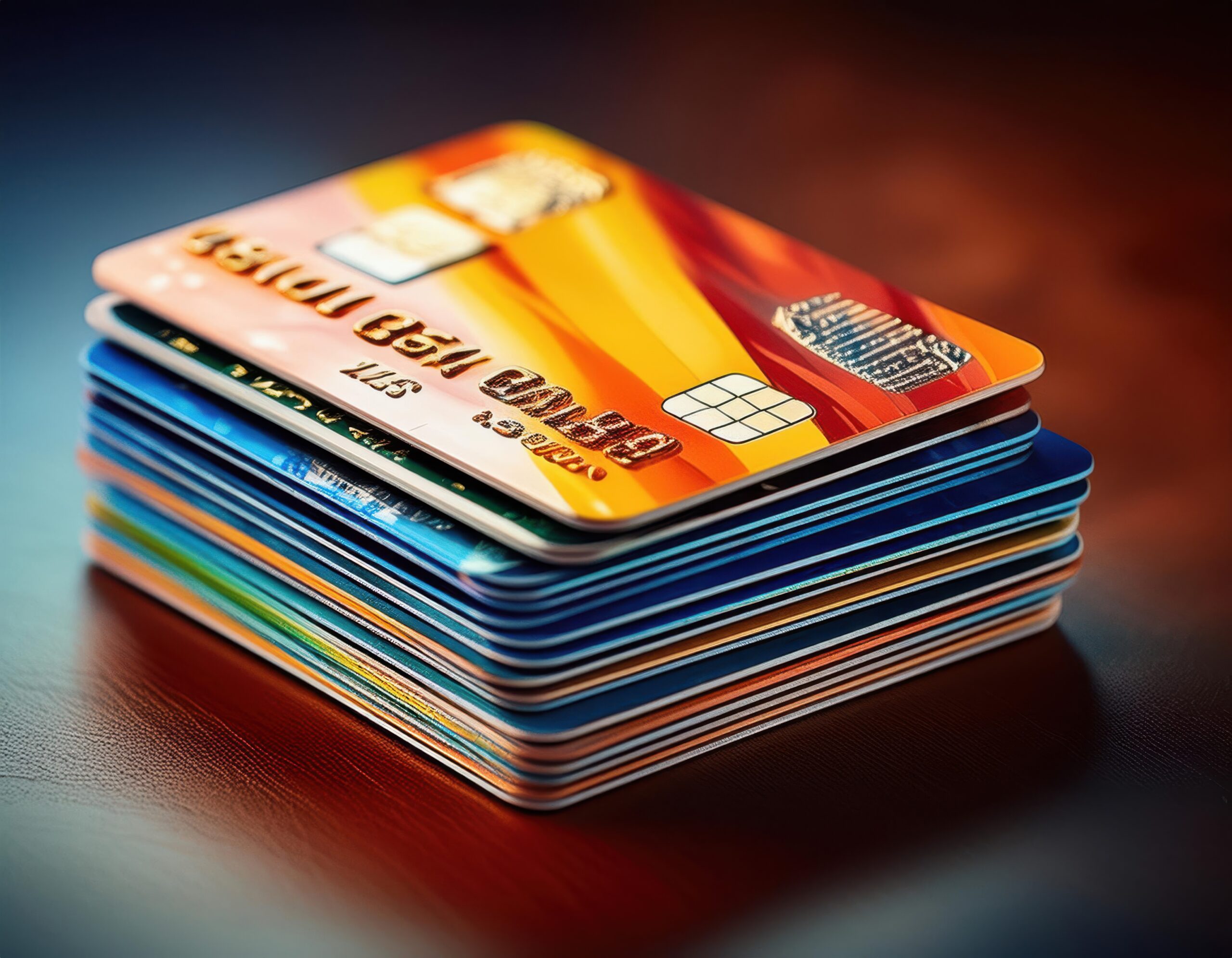
This striking image captures a sizable stack of credit cards, symbolizing the overwhelming nature of consumer debt and the high interest rates associated with credit card usage. The visual serves as a poignant reminder of the financial burden that many individuals face due to excessive credit card debt. Each card represents not just a means of payment but also the accumulating interest rates that contribute to long-term financial stress. Credit cards are a double-edged sword, offering convenience and immediate purchasing power while often leading to significant financial strain due to high interest rates. This image underscores the importance of financial literacy and prudent money management. It highlights the need for individuals to be aware of the potential pitfalls of credit card use and the importance of managing debt effectively to maintain financial health. Use this image in discussions about personal finance, economic issues, debt management, and financial education to drive home the impact of high interest rates and consumer debt on everyday life.

If your credit card’s APR (annual percentage rate) keeps climbing, you’re not alone. Many cardholders have noticed higher interest rates over time, even when their spending habits haven’t changed. So, what’s driving these increases? Several factors—both within and beyond your control—can influence your credit card APR.


1. Federal Reserve Rate Hikes

One of the biggest drivers of rising APRs is the Federal Reserve’s interest rate policy. Most credit cards have variable APRs tied to the prime rate, which moves in tandem with the Federal Reserve’s decisions. When the Fed raises interest rates to manage inflation or stabilize the economy, lenders adjust their prime rates, leading to higher APRs for cardholders.


2. Credit Score Changes

Your credit score plays a significant role in determining your credit card APR. If your score drops due to late payments, increased debt, or other financial issues, your card issuer may raise your APR to offset the perceived risk. Conversely, maintaining or improving your credit score can help secure lower rates.


3. Issuer Policies and Terms

Credit card issuers have the discretion to adjust APRs based on their internal policies. For example:

  • Promotional APR Expirations: If you’ve been enjoying a 0% introductory rate, the standard APR kicks in once the promotional period ends.
  • Penalty APRs: Missing a payment or exceeding your credit limit can trigger a penalty APR, which is typically higher than your regular rate.

4. Economic Conditions

Broader economic trends also influence APRs. In a robust economy, credit card issuers may charge higher rates as consumers are more likely to spend. Conversely, during economic downturns, competition among issuers might lead to lower rates.


5. Cardholder Agreements

When you sign up for a credit card, the terms and conditions typically include clauses that allow issuers to adjust your APR under specific circumstances. Issuers are required to notify you of rate changes, but understanding your agreement can help you anticipate adjustments.


What You Can Do About Rising APRs

While you can’t control factors like Federal Reserve rate hikes or issuer policies, you can take steps to minimize the impact of rising APRs:

  1. Pay Off Balances Promptly: Avoid carrying a balance whenever possible to eliminate the effect of higher interest rates.
  2. Negotiate with Your Issuer: Call your card issuer and request a lower APR, especially if you’ve been a loyal customer with a good payment history.
  3. Consolidate Debt: Consider transferring your balance to a card with a lower APR or taking out a personal loan to pay off high-interest debt.
  4. Monitor Your Credit Score: Regularly check your credit report and address any issues to maintain a strong score.
  5. Shop for Better Offers: If your current card’s APR is too high, explore other credit card options with more favorable terms.

Conclusion

Rising credit card APRs can feel frustrating, but understanding the factors behind these increases can help you take control of your finances. By staying informed, maintaining a healthy credit score, and exploring alternatives, you can mitigate the impact of higher interest rates and make smarter financial decisions.


0
SHARES
0
VIEWS
Share on FacebookShare on TwitterShare on LinkedIn
Tags: APRCredit Cards

    Get the Latest News and Insights Delivered Daily

    Subscribe to the PaymentsJournal Newsletter for exclusive insight and data from Javelin Strategy & Research analysts and industry professionals.

    Must Reads

    cross-border payments

    Solving for Fraud in Cross-Border Payments Requires Better Counterparty Verification

    February 12, 2026
    agentic commerce

    Demystifying the Agentic Commerce Enigma

    February 11, 2026
    payment gateways

    How Payment Gateways for Businesses Can Help You Offer Your Customers More Options

    February 10, 2026
    Reserve Bank of India (RBI) Extends Mandate for Tokenization to June '22

    Late Payments? Governments Are Taking Action

    February 9, 2026
    ai phishing

    The Fraud Epidemic Is Testing the Limits of Cybersecurity

    February 6, 2026
    stablecoins b2b payments

    Stablecoins and the Future of B2B Payments: Faster, Cheaper, Better

    February 5, 2026
    Payment Facilitator

    The Payment Facilitator Model as a Growth Strategy for ISVs

    February 4, 2026
    Simplifying Payment Processing? Payment Orchestration Can Help , multi-acquiring merchants

    Multi-Acquiring Is the New Standard—Are Merchants Ready?

    February 3, 2026

    Linkedin-in X-twitter
    • Commercial
    • Credit
    • Debit
    • Digital Assets & Crypto
    • Digital Banking
    • Commercial
    • Credit
    • Debit
    • Digital Assets & Crypto
    • Digital Banking
    • Emerging Payments
    • Fraud & Security
    • Merchant
    • Prepaid
    • Emerging Payments
    • Fraud & Security
    • Merchant
    • Prepaid
    • About Us
    • Advertise With Us
    • Sign Up for Our Newsletter
    • About Us
    • Advertise With Us
    • Sign Up for Our Newsletter

    ©2024 PaymentsJournal.com |  Terms of Use | Privacy Policy

    • Commercial Payments
    • Credit
    • Debit
    • Digital Assets & Crypto
    • Emerging Payments
    • Fraud & Security
    • Merchant
    • Prepaid
    No Result
    View All Result