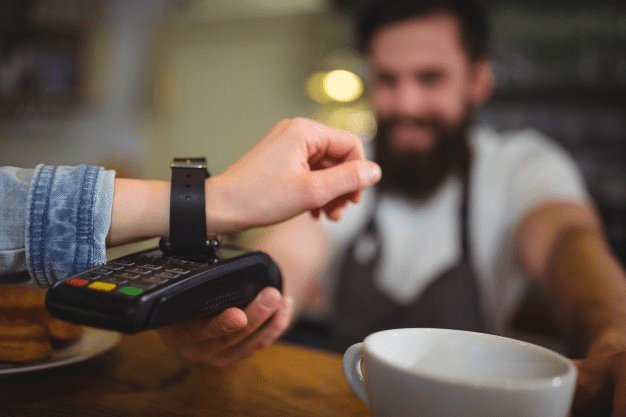
Reliance on cash is gradually shrinking as more consumers, across all generations, check out with some form of digital payment. Over the past few months, a lot of innovation has been happening in the contactless payments arena—throughout various sectors and countries—which will only continue to develop. But don’t expect a fully cashless society just yet. Consumers may be taking out their mobile devices more to tap and pay, but they’re still holding onto their wallets.
A Digital Shift …
A major driver in digital payment usage can be attributed to the pandemic. Because of shelter-in-place orders, as well as concerns about the hygiene of cash, consumer behavior changed. Even older consumers, who have long been reluctant to adopt new payment methods, began to accept this new normal.
Merchants took note and quickly adapted to ensure that consumers were getting a seamless shopping experience regardless of their chosen payment method.
And the choices continue to grow. Now, consumers can pay with cash, credit, debit, digital wallets, by tapping their mobile phone or smartwatch, through a QR code, by scanning their face, and—recently—with the palm of their hand.
The expansion of the various payment methods available shows how much the digital payments landscape is changing and what it might look like over the next few years. Take Amazon One, for example. In March, Panera Bread signed on to be the first restaurant to leverage the e-commerce giant’s computer vision technology, which encourages consumers to pay for goods by scanning their palm after signing into their Amazon One profile. More retailers, including Whole Foods Market and Starbucks, are trying the biometric payment system and figuring out if scanning a palm at a self-checkout kiosk will be something more consumers gravitate toward versus paying at a traditional cash register.
Contactless payments are becoming a way of life. Beyond retail, consumers can tap their phone while at an ATM to quickly access their account and deposit or withdraw money. And there’s a growing trend occurring within the transit system, with more countries and cities installing contactless fare payment systems that give consumers a more flexible way to pay for their subway or bus fare.
… But Not Fully Digital Yet
The strides made in the contactless payments space might not have happened as quickly as they did if not for the pandemic. But although consumer acceptance of digital payments did indeed change significantly, there’s a ways to go before we fully emerged into this Jetsons era.
For one, a negative perception of contactless payments persists: that once you get to the checkout, something won’t work. And who wants to hold up a line or wave their palm endlessly? To avoid any potential hiccups, some consumers just stick to what they know. Merchants play a key role in the continued acceptance of contactless payments. They need to make sure they’re taking the necessary steps to ensure their payment operations are readily available to handle any type of transaction.
The state of the economy also affects how consumers, particularly younger ones, pay for goods. Many are watching their spending and refraining from the use of credit or debit cards so as not to spend more than they have. Research conducted late last year from Credello found that Gen Zers have been “cash stuffing” as a way to budget and better manage their spending.
It all comes down to convenience. If we look at the strides that have already been made, there’s no doubt that continued leaps will happen, particularly with additional involvement from retailers and brands, as well as with the government, as we’ve seen within the transit sector.
Cash Is Still King Is Some Places, Though That’s Changing, Too
In many parts of the world, cash is still very much king. But interestingly, a shift continues to occur, even in cash-loving countries such as Japan and Greece. We recently covered the influx of payment options available in Japan and how more consumers in the country are relying on these options rather than paying with cash.
Japan has certainly noticed this change and is leaning into it. Last month, Japan’s Ministry of Finance said it plans to roll out a pilot program and test digital yen. What’s more, Japan’s Yahoo! Mart launched a self-service point-of-sale system that lets consumers pay via facial recognition. When Japan hosts the World Expo 2025, which will take place in Osaka, the event will be fully cashless—a first for any world fair.
These gradual advancements and efforts aren’t happening overnight, and as previously mentioned, there’s still a lot of opportunity within the payments space to make contactless and digital payments a lot more seamless and flexible so consumers are more comfortable paying this way. Especially since this is something they’ve want for some time. Until then, consumers will continue to have an array of options available to them—whether that’s in the form of cash or digital payments.