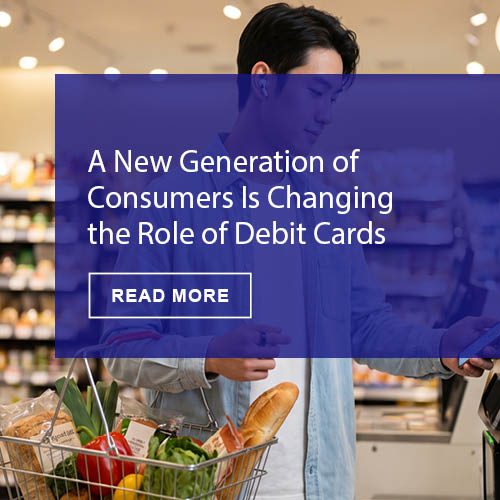
As the world grapples with COVID-19, consumers are being forced to adapt their day-to-day routines. Millions of Americans are choosing to have their groceries delivered, learning to work remotely, and relying more heavily on online banking and payment systems. We are even seeing merchants transition to a “card only” payment method for fear that the virus could spread through the use of cash.
Cameron’s Deli in New York is one of many restaurants taking this safety precaution and asking its customers to pay through contactless methods such as Apple Pay or Google Pay. In today’s climate, contactless payments should no longer be the secondary or tertiary form of preferred payment, especially for older generations or people with underlying health conditions.
As a society faced with a pandemic, we are embracing the virtual economy, but we must be vigilant while doing so.
Cyber criminals have already begun using the Coronavirus and the increase in web traffic to manipulate and exploit consumers. They are using the growing anxiety over the virus to pose as government officials in order to steal personal information, such as passwords and financial data. Their tactics include sharing fake websites and emails using government logos such as the World Health Organization (WHO) and Centers for Disease Control and Prevention (CDC). Malicious actors have even gone so far as to manipulate the interactive COVID-19 tracking map, developed by John Hopkins University, in order to trick users into downloading a fake map containing malware.
Hackers are also luring victims by claiming to offer investment opportunities, medical guidance and a safe place to keep their finances. In fact, it’s been reported that coronavirus-themed domain registrations are 50% more likely to come from malicious actors than true sites. Due to the increased activity, cybersecurity professionals across the country are urging consumers to take extra precautions when sharing their personal data online.
The good news is that the payments industry is prepared for this type of malicious behavior and has made significant investments in technology to alert consumers to fraudulent activity. As an industry, we have invested in updated security technology such as EMV chip technology, contactless cards, and biometric authorization. Card networks have also implemented fintech technology that significantly streamlines the online payment process and offers enhanced security measures. Visa, for example, recently launched its FinTech Fast Track program in the U.S., which allows users to send real-time payments to friends and family, among other benefits.
Additionally, major global card networks joined together this past October to launch the Secure Remote Commerce Standard (SRC) which will power a “buy button” on retailer websites—a feature meant to be the online equivalent of the single payment terminal at a physical store. SRC will save retailer’s money and time by shortening the number of “abandoned carts” and freeing up space on the checkout pages of their website. SRC will do for online security what EMV chips have done for point of sale. Mastercard also recently launched a universal buyback program using SRC technology directed at protecting small businesses. The program will limit the exposure of payment credentials and will significantly lower their potential for fraud from one-off purchases. This technology will prove especially useful now as more consumers rely on online shopping for their everyday purchases.
The payments industry is working around the clock with retailers and local businesses to keep consumers safe from cybercriminals. In Europe, Mastercard is conducting a four-week trial of a mobile point-of-sale solution that allows merchants to accept contactless payments from Android mobile devices. Zelle, a digital payments network run by top U.S. banks such as Bank of America, Wells Fargo and Capital One, is raising its transfer limits to $1,000 a day from the usual $500 and waiving fees for business customers. Zelle is also increasing its limit on mobile check deposits.
With so much uncertainty around the long-term effects of COVID-19 on our health and our economy, consumers need to prepare themselves to make lasting adjustments to their daily lives. To make this transition easier the electronic payments industry is committed to working with financial organizations, retailers and consumers to keep the trains on the track and to ensure that their financial information is kept safe.