IKEA is an interesting company, as their investor relations group explains:
- IKEA is a franchise business. That means that many companies with different owners work under one IKEA Brand. Currently, 12 different companies have the right to own and operate IKEA sales channels in more than 50 markets worldwide. You can contact these companies separately for more information about their individual financial performance.
- Inter IKEA Group operates in several countries, but our main activities are in the Netherlands, Sweden, and Switzerland. Each has its own corporate tax rate. The Inter IKEA Group’s corporate income tax charge in financial year 2019 was EUR 301 million. This equals 17% of our pre-tax income.
And, what parent hasn’t struggled with assembling IKEA projects for an adult kid’s first apartment or college experience? Somehow, everything lines up correctly, and it is hard to believe that flat box of semi-wood parts built out to a nice bed or dresser.
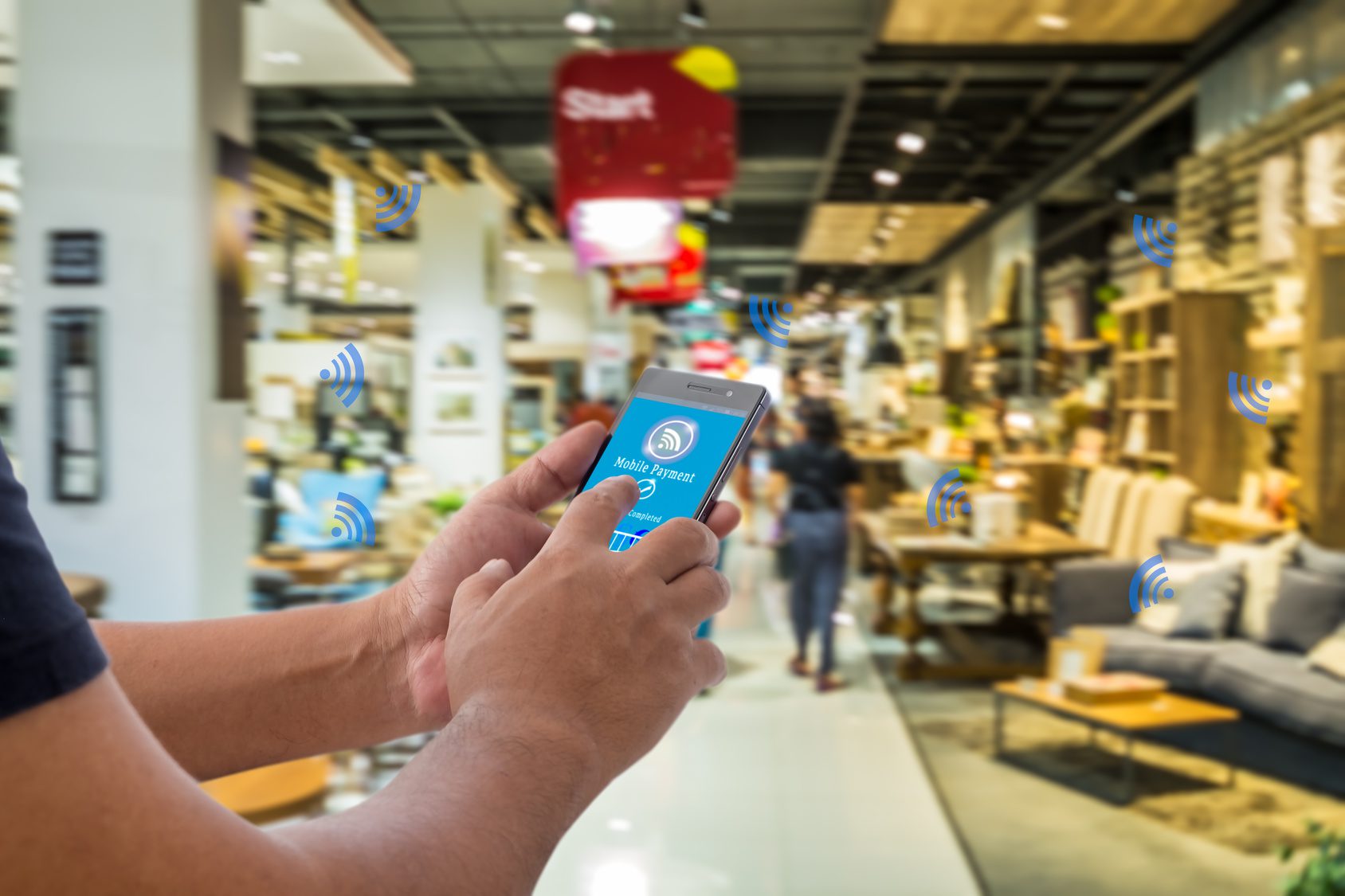
eMarketer announced today that IKEA purchased an interest in a POS financing company with a banking license.
- The parent company of the home furnishing retailer purchased a 49% stake in Ikano Bank, a UK-based retail finance company specializing in point-of-sale (POS) loans and store-branded credit cards, with the option to acquire the remaining shares at a later date.
- Its financing solutions—including interest-free credit, interest-bearing loans, and buy now, pay later (BNPL) financing—will help Ikea achieve its goal of introducing more consumer banking services in-store and online. The transaction builds upon Ikea’s already robust set of financing options, with the potential of expanding into more innovative solutions like embedded lending.
Interestingly, the shift from being a company that uses POS services into one that will offer products.
Retailers are increasingly edging into financial services via embedded lending products, creating partnership opportunities for small banks. Here are two reasons why partnering with businesses like Ikea makes sense for banks:
- POS lending (BNPL) is a burgeoning area for large retailers, providing a wide selection of potential partners for small banks.
- Partnering with large retailers provides small banks with exposure to a much bigger customer base than typically seen.
Ikea will be interesting to watch because of its multi-national presence. According to this news source, the firm recently fought off the European Parliament about a tax management issue.
- On Friday, February 12 a report commissioned by the Greens/EFA Group in the European Parliament lifted the curtain on the tax avoidance practices of IKEA.
- This report, also known as the IKEA report, gives a clear insight on how a large international corporation like IKEA can use the taxation rules in the EU to its benefit. IKEA managed to avoid an estimated sum of €1 billion over the course of 6 years.
- By meticulously setting up a corporate web of organisations, utilizing complicated structures, sister companies, monetary transfers and secret beneficiaries, IKEA dodged taxes.
- In essence, this is a system designed to avoid taxation. They simply analysed the lacking taxation system that is currently in place in the European Union and abused its weaknesses.
- Through internal financial transactions such as; paying royalties, interest, or other charges to its sister companies and subsidiaries, IKEA managed to make use of different taxation rates.
- The main countries they use for these kind of transfers are Holland, Lichtenstein, Luxembourg and Belgium. By doing so IKEA managed to maneuver itself in such a way it avoided a large portion of its income taxes.
But, the article concludes:
- The worst part is that IKEA isn’t actually doing anything illegal.
- This very basic fact is what lies at the heart of the problem. Current regulation is severely lacking when situations like these have the space to occur.
It will be interesting to watch how IKEA plays their card. One industry site ranks this $60 billion retailer as “the most valuable furniture retailer in the world.” Is banking a play for self-financing, an old industry standard pioneered by Sears, that later morphed into Discover, a global payments brand. Or, is it to get into Klarna’s space, which operates in the same part of the Eurozone?
Either way, while assembling an IKEA product takes a real effort, wait until they meet European banking regulators.
Overview by Brian Riley, Director, Credit Advisory Service at Mercator Advisory Group