PaymentsJournal
No Result
View All Result
SIGN UP
  • Commercial
  • Credit
  • Debit
  • Digital Assets & Crypto
  • Digital Banking
  • Emerging Payments
  • Fraud & Security
  • Merchant
  • Prepaid
PaymentsJournal
  • Commercial
  • Credit
  • Debit
  • Digital Assets & Crypto
  • Digital Banking
  • Emerging Payments
  • Fraud & Security
  • Merchant
  • Prepaid
No Result
View All Result
PaymentsJournal
No Result
View All Result

Fast Food – Fast to Adapt

By Pete Reville
September 3, 2020
in Analysts Coverage, Commerce, Contactless, Credit, Debit, Merchant
0
0
SHARES
0
VIEWS
Share on FacebookShare on TwitterShare on LinkedIn
Fast Food - Fast to Adapt

Fast Food - Fast to Adapt

There is a movement afoot among the big players in the QSR industry. The COVID-19 pandemic, combined with pre-pandemic trends, is causing the industry to rethink the brick and mortar restaurant and how they divvy up the space in those restaurants.

A recent article in Forbes, Burger King Unveils A New Restaurant Design To Meet Consumer Habits Changed By COVID-19, discusses how Burger King and others are redesigning their outlets to increase drive-thru lanes and accommodate in-store pick-up and curbside delivery, all at the expense of in-restaurant dining.

The company’s “Restaurant of Tomorrow” plans were created by the Restaurant Brands International in-house design group with input from tech, operations and food innovation teams. The restaurants are 60% smaller than traditional BKs and are aimed at improving the guest experience by offering multiple ordering and delivery modes.

What that means specifically is a drive-in area (under solar-powered canopies) that allow guests to place their orders through the BK app and have their food delivered to the car; dedicated parking spots for curbside delivery; pickup lockers for mobile and delivery orders; multi-lane drive-thrus that provide a view into the kitchen; and an external walk-up window.

As the article mentions, Burger King is not alone in rethinking the restaurant layout. Taco Bell, Shake Shack, and others are also shifting priorities to the take-out diners. Even before the pandemic, drive-through was experiencing incredible growth.

Notably, the drive-thru was on a tear prior to the pandemic, with nearly 40% of consumers using the channel more in 2019 versus 2018. Credit consumers’ time-pressed schedules for this growth.

What does this mean for the payments industry?

Simply stated, cash use will decrease and card use will increase. QSRs have been one of the last remaining verticals that has more than its fair share of sales coming from cash (C-stores is the other cash dominant vertical). As consumers use drive-thru and order ahead (in its many forms), they will rely more on cards than cash to pay for their orders.

As the use of payment cards increases at the drive-thru, the first thing that comes to mind is the POS customer experience. The pandemic has made many people to demand a contactless POS experience. That will require a way of getting the terminal and NFC reader to the car in a way that works for all the parties in the transaction.

For instance, right now when I go to the drive through at my local Dunkin’, and pay with Apple Pay, they have to hold the entire terminal out the drive-up window so I can tap & go.

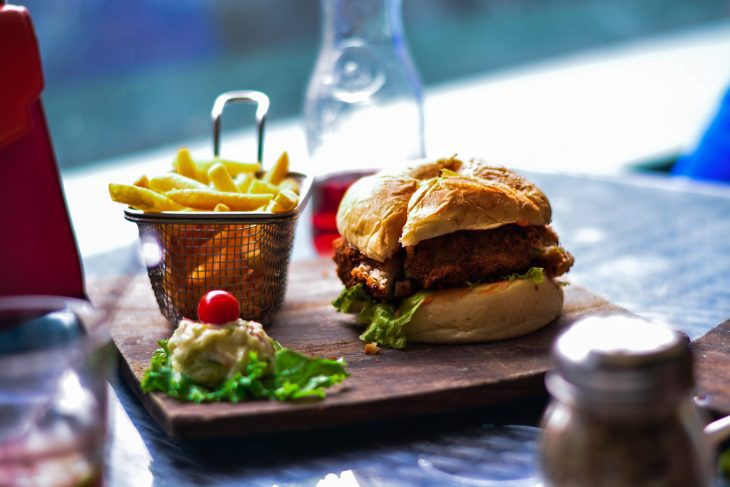
My biggest concern with this shift by QSRs is the soggy fries that I get when they’ve been in a bag too long.

Overview by Peter Reville, Director, Primary Research Services at Mercator Advisory Group

0
SHARES
0
VIEWS
Share on FacebookShare on TwitterShare on LinkedIn
Tags: Apple PayBurger KingDunkin DonutsMcDonaldsQSRShake ShackTaco Bell

    Get the Latest News and Insights Delivered Daily

    Subscribe to the PaymentsJournal Newsletter for exclusive insight and data from Javelin Strategy & Research analysts and industry professionals.

    Must Reads

    agentic commerce

    Demystifying the Agentic Commerce Enigma

    February 11, 2026
    payment gateways

    How Payment Gateways for Businesses Can Help You Offer Your Customers More Options

    February 10, 2026
    Reserve Bank of India (RBI) Extends Mandate for Tokenization to June '22

    Late Payments? Governments Are Taking Action

    February 9, 2026
    ai phishing

    The Fraud Epidemic Is Testing the Limits of Cybersecurity

    February 6, 2026
    stablecoins b2b payments

    Stablecoins and the Future of B2B Payments: Faster, Cheaper, Better

    February 5, 2026
    Payment Facilitator

    The Payment Facilitator Model as a Growth Strategy for ISVs

    February 4, 2026
    Simplifying Payment Processing? Payment Orchestration Can Help , multi-acquiring merchants

    Multi-Acquiring Is the New Standard—Are Merchants Ready?

    February 3, 2026
    ACH Network, credit-push fraud, ACH payments growth

    What’s Driving the Rapid Growth in ACH Payments

    February 2, 2026

    Linkedin-in X-twitter
    • Commercial
    • Credit
    • Debit
    • Digital Assets & Crypto
    • Digital Banking
    • Commercial
    • Credit
    • Debit
    • Digital Assets & Crypto
    • Digital Banking
    • Emerging Payments
    • Fraud & Security
    • Merchant
    • Prepaid
    • Emerging Payments
    • Fraud & Security
    • Merchant
    • Prepaid
    • About Us
    • Advertise With Us
    • Sign Up for Our Newsletter
    • About Us
    • Advertise With Us
    • Sign Up for Our Newsletter

    ©2024 PaymentsJournal.com |  Terms of Use | Privacy Policy

    • Commercial Payments
    • Credit
    • Debit
    • Digital Assets & Crypto
    • Emerging Payments
    • Fraud & Security
    • Merchant
    • Prepaid
    No Result
    View All Result